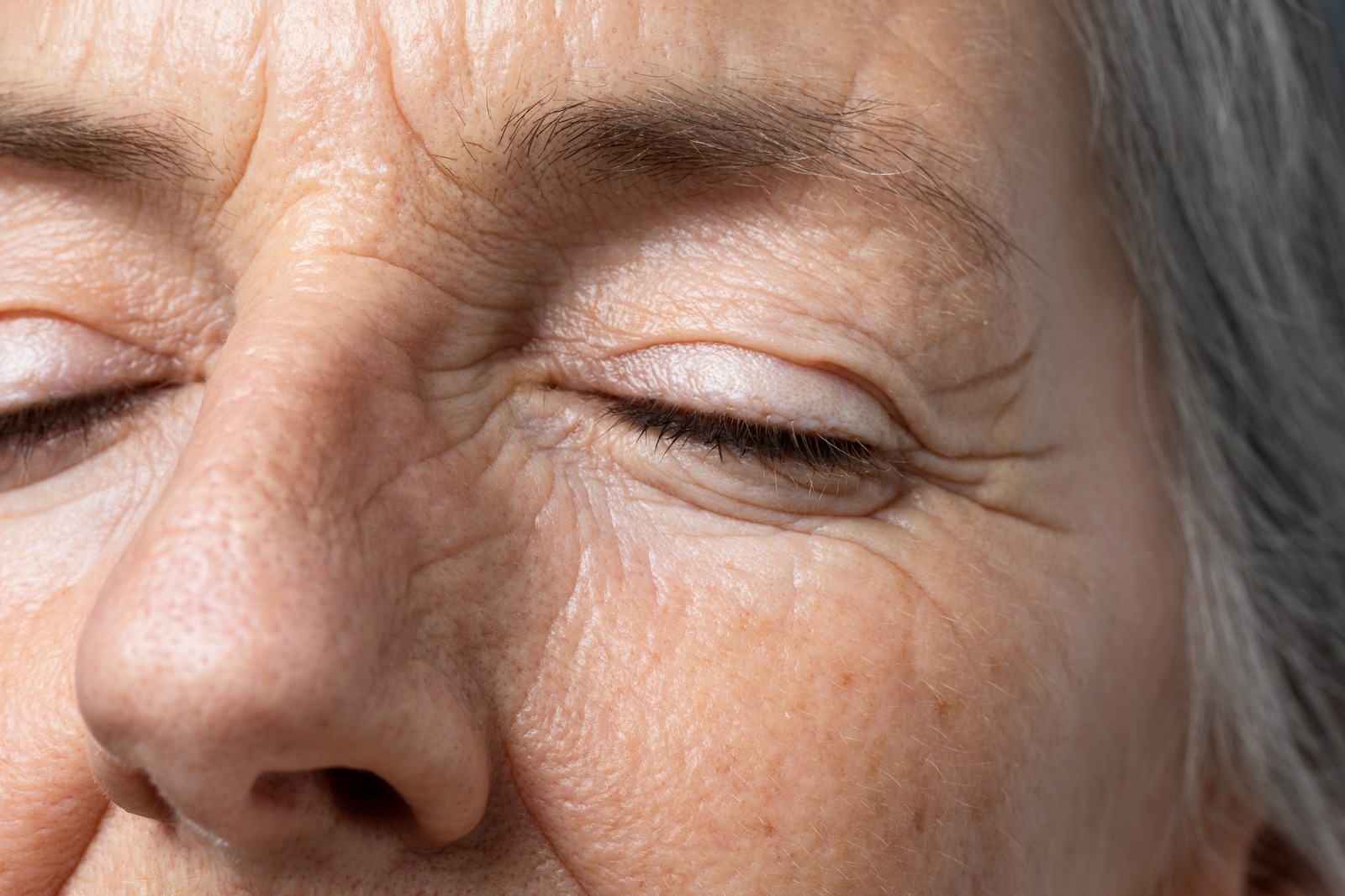
Wrinkles are a natural part of the ageing process, but many people notice them earlier than expected. While fine lines can appear gradually, deeper wrinkles often become more noticeable with time, lifestyle habits, and environmental factors. Understanding what causes wrinkles and exploring management strategies can help individuals maintain healthier, smoother-looking skin.
Interestingly, while wrinkles are a common skin concern, other aesthetic treatments such as scalp micropigmentation in Mumbai show how cosmetic solutions are evolving to address different appearance-related concerns. Just as scalp micropigmentation provides a long-lasting option for hair restoration, wrinkle management also involves a combination of prevention, treatment, and lifestyle changes.
This article explains the main causes of wrinkles on the face, management techniques, and steps to reduce their impact.
What Causes Wrinkles on the Face?
Natural Ageing
As we age, skin gradually loses collagen and elastin—two proteins responsible for firmness and elasticity. This leads to thinning skin and reduced ability to bounce back, resulting in visible lines and folds.
Sun Exposure
Ultraviolet (UV) radiation from the sun is one of the leading causes of premature wrinkles. Prolonged exposure breaks down collagen fibres, causing skin to sag and wrinkle faster than it would naturally.
Repeated Facial Expressions
Smiling, frowning, and squinting create fine grooves in the skin. Over time, as skin loses elasticity, these grooves become permanent wrinkles, especially around the eyes and mouth.
Lifestyle Habits
Smoking, excessive alcohol intake, and poor diet all contribute to early skin ageing. Smoking, in particular, reduces blood supply to the skin, while alcohol dehydrates it, making wrinkles more pronounced.
Genetics
Family history plays a role in how and when wrinkles appear. Some people are genetically predisposed to develop fine lines earlier than others.
Environmental Factors
Pollution, lack of hydration, and exposure to harsh weather conditions can accelerate skin ageing, making wrinkles more visible.
Types of Wrinkles
Fine Lines
These are shallow, surface-level wrinkles often caused by dehydration or early collagen breakdown. They usually appear around the eyes and mouth.
Dynamic Wrinkles
Formed by repeated muscle movements, dynamic wrinkles deepen over time. Common examples include crow’s feet and forehead lines.
Static Wrinkles
These are visible even when the face is at rest and are usually linked to long-term ageing and sun exposure.
Folds
Deeper creases, such as nasolabial folds, develop when skin loses volume and firmness.
How to Manage Wrinkles on the Face
Daily Skin Care Routine
- Cleansing: A gentle cleanser removes impurities without stripping the skin of natural oils.
- Moisturising: Hydrated skin looks plumper, reducing the appearance of fine lines.
- Sunscreen: Broad-spectrum sunscreen with SPF 30 or higher helps protect against UV damage, a key factor in premature ageing.
Professional Treatments
- Chemical Peels: Remove the top layer of skin to promote regeneration and improve texture.
- Microneedling: Stimulates collagen production by creating micro-injuries in the skin.
- Laser Therapy: Targets deeper layers of the skin to encourage tightening and regeneration.
- Injectables: Anti-wrinkle injections and dermal fillers smooth dynamic wrinkles, restore lost volume, and in some cases, address concerns through biopolymer removal to improve skin appearance and safety.
Lifestyle Adjustments
- Quit Smoking: Improves blood circulation and skin healing.
- Balanced Diet: Foods rich in antioxidants, vitamins C and E, and omega-3 fatty acids support skin health.
- Stay Hydrated: Drinking enough water keeps skin supple.
- Sleep Well: Quality rest allows the body to repair and regenerate skin tissue.
Preventing Wrinkles from Worsening
Consistent Sun Protection
Even on cloudy days, UV rays can penetrate the skin. Regular use of sunscreen, hats, and protective clothing minimises sun-induced wrinkles.
Facial Exercises and Relaxation
Practising relaxation techniques helps reduce tension that leads to repetitive facial expressions. Gentle facial exercises may also support muscle tone.
Avoid Overuse of Harsh Products
Using products with strong alcohol or fragrances can irritate and dry the skin, accelerating wrinkle formation. Choosing gentle, dermatologist-recommended products is best.
Wrinkles and Confidence
While wrinkles are a natural part of ageing, they can impact how people feel about their appearance. Some embrace them as a sign of wisdom and life experience, while others prefer to explore cosmetic options for smoother skin.
The growing demand for aesthetic treatments highlights how self-image plays a role in confidence. For example, many individuals turn to scalp micropigmentation in Mumbai to restore the look of fuller hair when dealing with hair thinning. Similarly, wrinkle treatments provide options for those who want to feel more comfortable with their skin as they age.
When to See a Professional
If wrinkles are causing significant concern, consulting a dermatologist or cosmetic specialist is a good step. A professional can:
- Assess skin health and ageing patterns
- Recommend treatments tailored to individual needs
- Provide guidance on preventive care
A personalised treatment plan ensures that management strategies suit both short-term goals and long-term results.
Final Thoughts
Wrinkles on face are influenced by age, sun exposure, lifestyle choices, and genetics. While they are inevitable over time, their appearance can be delayed and managed with consistent care, healthy living, and professional treatments when needed.
Just as procedures like scalp micropigmentation in Mumbai provide lasting results for hair restoration, wrinkle management also offers effective solutions for maintaining youthful skin. With the right approach, patients can enjoy healthier skin and greater confidence throughout the ageing process.