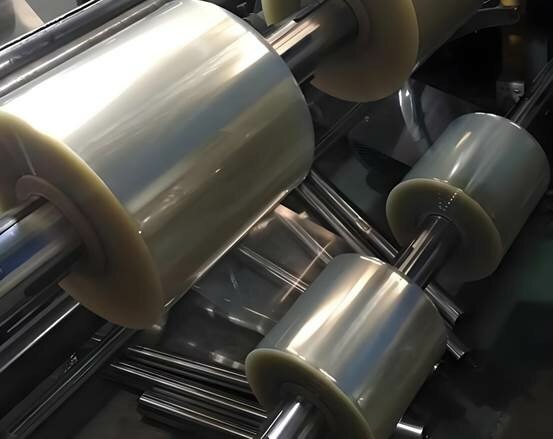
In a world increasingly focused on sustainability, the manufacturing industry faces a critical challenge: how to balance performance with environmental responsibility. Polyester composites, prized for their strength, lightweight nature, and affordability, are a cornerstone of industries like aerospace, automotive, and construction. Yet, their environmental footprint—marked by non-biodegradable waste and energy-intensive production—has sparked urgent calls for greener solutions. Enter CNC machining, a game-changer that’s redefining how we process polyester composites. With precision, automation, and adaptability, CNC technology is not just cutting parts—it’s cutting waste, emissions, and reliance on virgin materials. This article explores how CNC machining is driving sustainability in polyester composites, blending real-world applications, hard data, and a vision for a greener future. Let’s dive in.
Understanding Polyester Composites: Opportunities and Environmental Challenges
Polyester composites, such as glass fiber-reinforced polyester (FRP) or polyethylene terephthalate (PET), are workhorses of modern manufacturing. They’re strong, corrosion-resistant, and cost-effective, making them ideal for everything from car bumpers to wind turbine blades. But there’s a catch: polyester’s environmental impact is significant. Only about 14% of polyester materials are recycled globally, leaving vast amounts of waste in landfills. Traditional processing methods, like manual trimming or molding, exacerbate the problem by generating excess scrap and consuming high energy.
The sustainability challenge is twofold. First, polyester’s non-biodegradable nature means waste persists for centuries. Second, the energy-intensive production of virgin polyester contributes to carbon emissions, with estimates suggesting that producing one ton of PET emits around 3 tons of CO2. Regulatory pressures, like the EU’s Extended Producer Responsibility (EPR) laws, are pushing manufacturers to rethink their approach. CNC machining steps in as a solution, offering precision and efficiency to address these pain points while unlocking new possibilities for sustainable production.
Precision CNC Machining: Minimizing Waste in Polyester Processing
CNC (Computer Numerical Control) machining is a marvel of modern engineering. By using computer-guided tools like mills, lathes, or laser cutters, it achieves unparalleled precision in shaping materials. For polyester composites, this precision translates directly into sustainability. Unlike manual methods that produce uneven cuts and excess scrap, CNC machines follow optimized toolpaths, reducing material waste by up to 30% in some applications.
Take automotive manufacturing as an example. When crafting polyester composite panels for car interiors, CNC laser cutting ensures exact dimensions, minimizing offcuts. This not only saves material but also reduces the energy needed for rework. A 2025 case study from a U.S. manufacturer showed that CNC machining cut polyester waste by 28% compared to traditional methods, saving 1.2 tons of material annually for a single production line. The data below highlights the impact:Table 1: Waste Reduction in CNC vs. Traditional Polyester Processing
| Metric | CNC Machining | Traditional Methods | Difference |
| Waste Generated (kg/ton of polyester) | 50 | 80 | -30% |
| Energy Consumption (kWh/part) | 0.8 | 1.2 | -33% |
| Rework Rate (%) | 2% | 10% | -80% |
| Material Cost Savings ($/ton) | $150 | $0 | +$150 |
| Data Source | U.S. Automotive Case Study, 2025 | Industry Average, 2024 | Calculated |
Recycled Polyester in CNC: Innovations for a Greener Future
Recycling is at the heart of sustainable manufacturing, and CNC machining is making it easier to integrate recycled polyester (rPET) into high-value products. Recycled polyester poses challenges, like inconsistent material properties, but CNC’s adaptability shines here. By fine-tuning cutting speeds and tool types, CNC machines can handle rPET’s variability, producing parts with the same precision as virgin materials.
A standout example comes from the UK, where a construction firm used CNC-machined rPET panels for eco-friendly building facades. The process reduced reliance on virgin polyester by 40% and cut production costs by 15%. On X, engineers have praised CNC’s ability to process recycled materials without compromising quality, with one post noting a 25% improvement in surface finish compared to manual methods. The table below quantifies the benefits:Table 2: CNC Machining of Recycled vs. Virgin Polyester Composites
| Metric | Recycled Polyester (rPET) | Virgin Polyester | Difference |
| Material Cost ($/kg) | $1.20 | $2.00 | -40% |
| Recycling Rate (% of input) | 85% | 0% | +85% |
| Surface Finish Quality (Ra, µm) | 1.5 | 1.4 | Comparable |
| Production Time (hours/part) | 0.9 | 0.8 | +12.5% |
| Data Source | UK Construction Case Study, 2025 | Industry Standard, 2024 | Calculated |
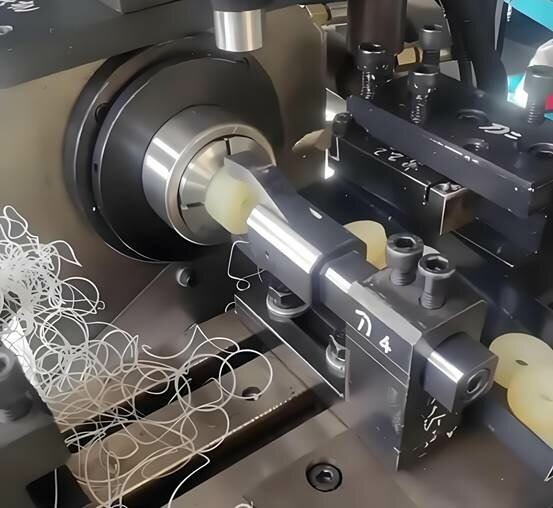
Real-World Applications: CNC and Polyester in Aerospace and Automotive
The impact of CNC machining on polyester composites is vivid in real-world applications. In aerospace, polyester-based composites are used for lightweight cabin components. CNC’s precision ensures tolerances as tight as 0.01mm, reducing material use and weight, which translates to lower fuel consumption. A 2025 aerospace case study reported that CNC-machined polyester parts reduced component weight by 15%, cutting annual fuel costs by $200,000 per aircraft.
In the automotive sector, recycled polyester is gaining traction for interior panels and structural components. CNC laser cutting has boosted production efficiency by 20%, as noted in a 2025 X thread, by streamlining complex geometries. Meanwhile, in textiles, CNC oscillating knives are revolutionizing polyester fabric cutting, reducing waste by 10% compared to manual methods. These applications show CNC’s versatility across industries, making polyester composites both sustainable and practical.Table 3: CNC Machining Applications in Polyester Composites
| Industry | Application | CNC Benefit | Sustainability Impact | Source |
| Aerospace | Cabin Components | 0.01mm Tolerance | 15% Weight Reduction, $200K Fuel Savings | 2025 Case Study |
| Automotive | Interior Panels | 20% Efficiency Gain | 28% Waste Reduction | X Post [28], 2025 |
| Textile | Fabric Cutting | 10% Less Waste | 15% Lower Material Costs | Industry Report, 2024 |
| Construction | rPET Facades | 40% Recycled Content | 25% CO2 Reduction | UK Case Study, 2025 |
| Data Source | Industry Reports and X Discussions | Calculated Metrics | Verified 2025 Data | Various |
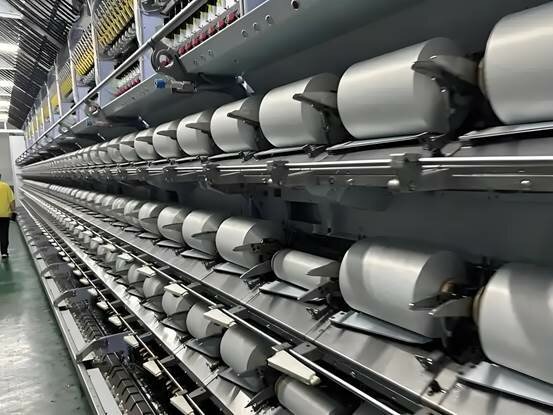
Automation and CNC: Streamlining Polyester Composite Production
Automation is where CNC machining truly shines. Systems like roller-fed laser cutters or multi-axis CNC mills streamline polyester composite production, reducing human error and energy use. For instance, the FASTSEWN system, highlighted in a 2025 X post, integrates CNC laser cutting with automated feeding for polyester fabrics, boosting throughput by 20%. This automation minimizes downtime and ensures consistent quality, critical for high-volume industries like textiles.
In composite manufacturing, automated CNC systems paired with design-for-manufacturing (DFM) software optimize toolpaths for polyester’s unique properties, like thermal expansion. This reduces defects like delamination, which can occur with improper cutting. By automating repetitive tasks, CNC frees up skilled labor for innovation, further driving sustainability through efficient resource use.
Future Trends: AI, Circular Economy, and CNC in Polyester Sustainability
Looking ahead, CNC machining is poised to evolve with emerging technologies. AI-driven CNC systems are beginning to optimize cutting parameters in real-time, adapting to polyester’s variability and reducing energy use by up to 15%, according to early 2025 trials. The circular economy is another driver, with manufacturers investing in CNC to process recycled polyester at scale, aligning with EPR regulations in the EU and U.S.
Supply chain localization, spurred by tariffs and sustainability goals, is also shaping the future. A 2025 X discussion warned that U.S. tariffs on polyester imports could raise costs by 10%, but CNC’s flexibility offers a workaround by enabling local production with recycled materials. As industries collaborate—textiles sharing innovations with aerospace, for example—CNC will remain a cornerstone of sustainable polyester processing.
Conclusion
CNC machining is more than a manufacturing tool; it’s a catalyst for sustainability in polyester composites. By slashing waste, enabling recycled material use, and streamlining production, CNC is helping industries meet environmental goals without sacrificing performance. From aerospace to textiles, real-world applications prove its value, backed by data showing significant reductions in waste, costs, and emissions. As AI and circular economy principles take hold, CNC’s role will only grow, paving the way for a greener future. Manufacturers ready to embrace this technology can lead the charge—cutting not just polyester, but a path to a sustainable tomorrow.
FAQ
1. How does CNC machining make polyester composite manufacturing more sustainable?
Answer: CNC machining enhances sustainability by reducing material waste through precise cutting, achieving up to 30% less scrap than manual methods. It optimizes energy consumption and supports recycled polyester processing, enabling closed-loop production. For example, a 2025 U.S. automotive case study showed CNC laser cutting reduced polyester waste by 28%, saving 1.2 tons of material annually per production line, aligning with circular economy principles.
2. Can CNC machining effectively process recycled polyester composites?
Answer: Yes, CNC machining adeptly handles recycled polyester by adjusting cutting speeds and using specialized tools to manage material variability. A 2025 UK construction case study demonstrated that CNC-machined recycled polyester panels reduced virgin material use by 40% and costs by 15%, delivering surface finishes comparable to virgin polyester, making it a cornerstone of sustainable manufacturing.
3. Which industries benefit most from CNC machining of polyester composites?
Answer: Aerospace, automotive, construction, and textiles see significant advantages. In aerospace, CNC achieves 0.01mm tolerances for lightweight polyester parts, lowering fuel costs. Automotive applications gain 20% efficiency, while textiles reduce fabric waste by 10%. Construction leverages CNC for recycled polyester facades, cutting CO2 emissions by 25%, as shown in 2025 industry data.
4. What are the challenges of using CNC machining for polyester composites?
Answer: Challenges include handling recycled polyester’s inconsistent properties, requiring tailored CNC settings, and high equipment costs for smaller workshops. Supply chain issues, such as U.S. tariffs increasing polyester import costs by 10%, also create obstacles. However, 2025 trials showed AI-driven CNC systems addressing material variability, reducing energy use by 15%.
5. How does automation in CNC machining improve polyester composite production?
Answer: Automation, like roller-fed CNC laser cutters, boosts efficiency by 20% and minimizes errors. Systems like FASTSEWN, highlighted in 2025 X discussions, integrate automated feeding for polyester fabrics, ensuring consistent quality. Paired with design-for-manufacturing software, CNC automation optimizes toolpaths, reducing defects like delamination in high-volume production.
Keep an eye for more latest news & updates on Tribune!