Turf delivery offers a multitude of advantages for homeowners and landscapers alike, streamlining the process of establishing a lush, green lawn. One of the primary benefits is convenience. Instead of spending hours searching for the right type of sod at local garden centers or nurseries, turf delivery services bring the product directly to your doorstep.
This not only saves time but also eliminates the hassle of transporting heavy rolls of sod, which can be cumbersome and physically demanding. With turf delivery, you can focus on the installation process rather than the logistics of acquiring the material. Additionally, turf delivery services often provide a wider selection of grass types than what is typically available at retail outlets.
This variety allows homeowners to choose the best grass species suited to their climate, soil type, and intended use. For instance, if you live in a region with high foot traffic, you might opt for a durable variety like Bermuda grass, while those in cooler climates may prefer Kentucky bluegrass for its lush appearance and resilience. By having access to a broader range of options, you can make an informed decision that enhances the overall health and aesthetics of your lawn.
Choosing the Right Type of Turf for Your Lawn
Selecting the appropriate type of turf is crucial for ensuring a thriving lawn that meets your specific needs. Various factors come into play when making this decision, including climate, soil conditions, and intended use. For example, warm-season grasses such as Zoysia and Bermuda thrive in southern climates where temperatures soar during the summer months.
These grasses are known for their drought resistance and ability to withstand heavy foot traffic, making them ideal for active households or commercial properties. Conversely, cool-season grasses like fescue and ryegrass are better suited for northern regions where temperatures are milder. These grasses flourish in cooler temperatures and can remain green throughout the fall and spring months.
When choosing turf, it’s also essential to consider the sun exposure your lawn receives. Some grass types require full sun to thrive, while others can tolerate shade. By assessing your lawn’s specific conditions and understanding the characteristics of different grass types, you can select a turf that will flourish in your environment.
Preparing Your Lawn for Turf Installation
Proper preparation is key to ensuring successful turf installation on Fraser Coast and long-term lawn health. Before laying down new sod, it’s essential to assess the existing soil conditions. Start by removing any debris, rocks, or old grass that may hinder the growth of the new turf.
This can be accomplished through manual labor or with the help of machinery like a sod cutter. Once the area is cleared, it’s advisable to test the soil pH and nutrient levels. A soil test kit can provide valuable insights into whether amendments are needed to create an optimal growing environment.
After clearing and testing the soil, the next step is to level the ground. Uneven surfaces can lead to water pooling in certain areas, which may cause sod to rot or become diseased. Raking the soil to create a smooth surface is essential; this not only improves aesthetics but also promotes even water distribution.
Additionally, incorporating organic matter such as compost can enhance soil structure and fertility, providing a nutrient-rich foundation for your new turf.
The Process of Turf Delivery and Installation
The process of turf delivery typically begins with placing an order through a reputable supplier. Most companies offer online platforms where customers can select their desired grass type, quantity, and delivery date. Once the order is confirmed, logistics come into play; turf is usually harvested early in the morning to ensure freshness before being transported to your location.
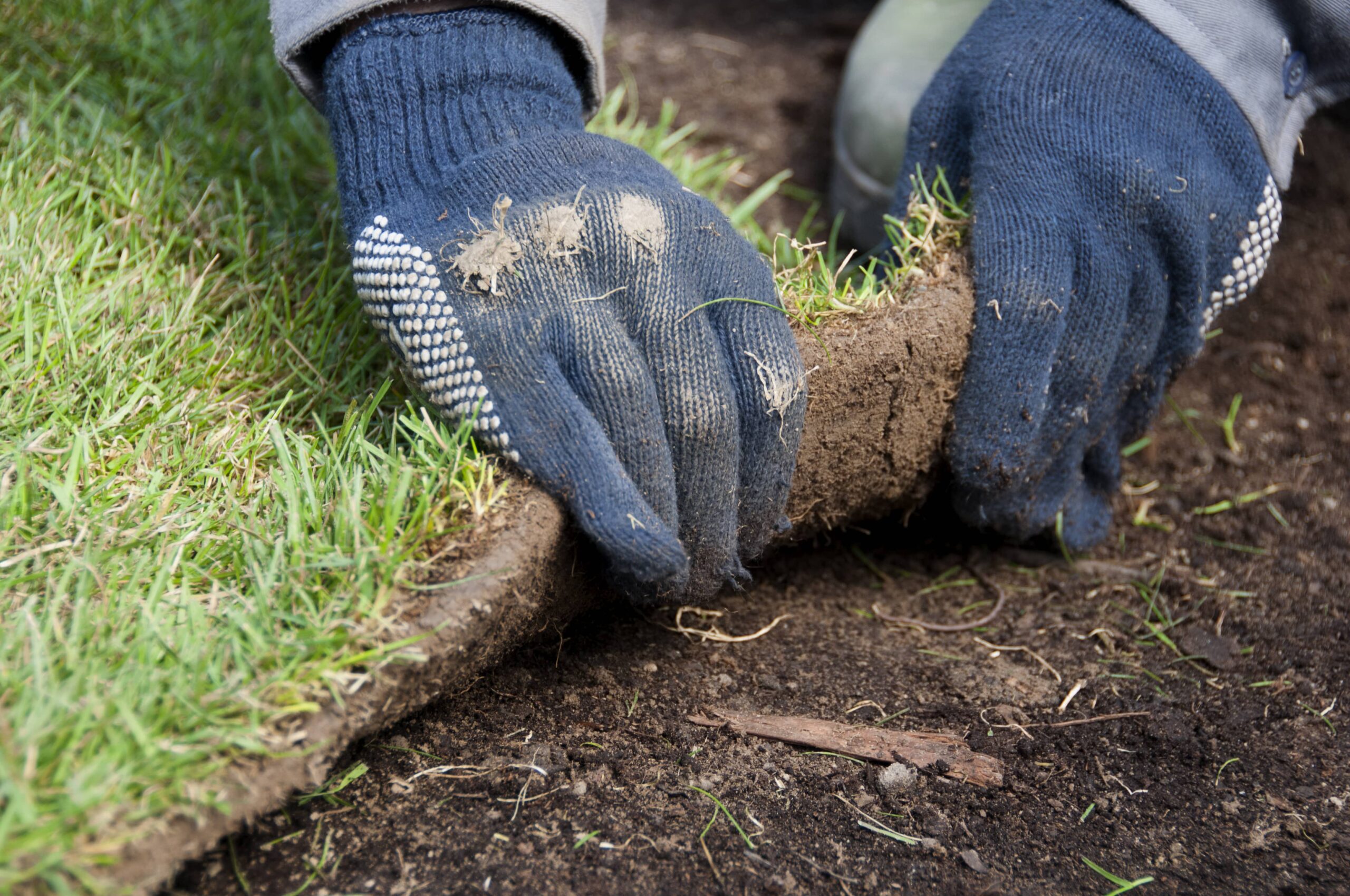
Upon arrival, it’s crucial to inspect the sod for quality—look for vibrant green color and a moist underside, which indicates that it has been properly cared for during transport. Installation should ideally take place as soon as possible after delivery to prevent the sod from drying out. Begin by laying the first row along a straight edge, such as a sidewalk or driveway, ensuring that seams between pieces are staggered like bricks in a wall.
This technique not only enhances visual appeal but also promotes better root establishment as it minimizes gaps where weeds could take hold. After laying down the sod, it’s important to roll it with a lawn roller to ensure good contact with the soil beneath, which aids in root development.
Maintaining Your Turf After Delivery
Once your new turf has been installed, proper maintenance is essential for its long-term health and vibrancy. The first few weeks after installation are critical; during this period, it’s vital to keep the sod consistently moist without overwatering. A general rule of thumb is to water daily for about 15-20 minutes until the roots establish themselves in the soil below.
As the grass begins to take root, gradually reduce watering frequency while increasing duration to encourage deeper root growth. Fertilization also plays a significant role in maintaining healthy turf. Applying a starter fertilizer shortly after installation can provide essential nutrients that promote vigorous growth.
It’s advisable to follow up with regular fertilization schedules based on soil tests and specific grass type requirements. Additionally, mowing should commence once the grass reaches about 3 inches in height; this helps maintain an even appearance while encouraging lateral growth.
Cost Considerations for Turf Delivery
When considering new lawn in Australia, various cost factors come into play that can influence your overall budget. The price of sod itself varies significantly based on grass type; premium varieties like Kentucky bluegrass may cost more than standard fescue or Bermuda grass. Additionally, delivery fees can vary depending on distance from the supplier and any additional services offered by the company, such as installation assistance or equipment rental.
Beyond initial costs, it’s important to factor in ongoing maintenance expenses as well. Regular watering, fertilization, pest control, and mowing all contribute to the total cost of maintaining a healthy lawn over time. Homeowners should also consider potential savings associated with investing in high-quality turf; a well-maintained lawn can enhance property value and curb appeal while reducing long-term repair costs associated with poor-quality grass.
Environmental Impact of Turf Delivery
The environmental impact of turf delivery encompasses several aspects that merit consideration from both ecological and sustainability perspectives. On one hand, natural grass lawns contribute positively to local ecosystems by providing habitats for various wildlife species and improving air quality through carbon sequestration. Healthy lawns can also reduce soil erosion and promote groundwater recharge by allowing rainwater to infiltrate rather than run off.
However, there are environmental concerns associated with turf production and delivery as well. The cultivation of sod often requires significant water resources and may involve chemical fertilizers and pesticides that can leach into local waterways if not managed properly. Additionally, transportation emissions from delivery vehicles contribute to carbon footprints associated with turf delivery services.
To mitigate these impacts, consumers can seek out suppliers who prioritize sustainable practices such as organic farming methods or local sourcing to reduce transportation distances.
Tips for Finding the Best Turf Delivery Service
Finding a reliable turf delivery service involves careful research and consideration of several key factors. Start by seeking recommendations from friends or neighbors who have recently installed sod; personal experiences can provide valuable insights into service quality and product satisfaction. Online reviews and ratings on platforms like Google or Yelp can also help gauge customer satisfaction levels.
Once you have identified potential suppliers, inquire about their product offerings and sourcing practices. A reputable company should be transparent about where their sod is grown and how it is maintained prior to delivery. Additionally, ask about their delivery logistics—timeliness is crucial when dealing with perishable products like sod.
Finally, consider obtaining quotes from multiple suppliers to compare prices and services offered; this will help ensure you receive both quality turf and value for your investment in your lawn’s future.
Keep an eye for more latest news & updates on Tribune!