Outdoor events have a certain energy that indoor venues can’t match. The open air, the atmosphere, the movement of crowds,whether it’s a festival, farmers’ market, sports tournament, or community celebration, the experience feels vibrant and alive. But with great energy comes great responsibility, especially when it comes to safety. Heat, long days, physical activity, and limited shade can push attendees closer to dehydration than most organizers realize. That’s why thoughtful planning,including access to a reliable water refill station,can be the difference between a smooth, memorable event and a health emergency.
Hydration is rarely what people think about when planning an event, yet it’s one of the most essential elements of guest experience. When thousands of people gather outdoors, their needs change: they walk more, sweat more, spend more time in the sun, and often underestimate how much water they need. Understanding these patterns helps organizers create safer, more enjoyable events where attendees feel cared for rather than overwhelmed.
So how should event organizers approach hydration? Let’s explore the psychology, strategy, and practical steps behind keeping outdoor event guests healthy and hydrated.
1. Understand How Fast Dehydration Happens Outdoors
Most people underestimate how quickly dehydration occurs, especially when they’re distracted by excitement, crowds, and activities. Event organizers who understand this psychology can better predict,and prevent,issues.
Excitement Masks Early Signs
When people are engaged in an event, they tend not to notice early dehydration symptoms like:
- thirst
- light fatigue
- slight headache
- mild dizziness
Excitement overrides awareness. The brain is focused on stimulation, not signals.
Outdoor Conditions Accelerate Water Loss
Heat, sun exposure, humidity, and long hours amplify dehydration. Even mild temperatures can strain the body when people are moving continuously.
This is why events that feel “comfortable” can still create hydration risks.
Many People Don’t Carry Water
Attendees often forget reusable bottles or assume water will be easy to find. Without clear access points, people abandon the idea of hydration altogether,until symptoms intensify.
Understanding these behaviours helps organizers plan proactively instead of reactively.
2. Create Multiple Hydration Touchpoints: One Station Is Not Enough
Large outdoor events need hydration available in several places,not tucked in a corner or hidden behind vendors. Accessibility shapes behaviour.
People Drink More When Water Is Visible
Psychology shows that people make decisions based on their environment. When hydration options are clearly visible:
- people drink more often
- dehydration risk decreases
- medical tents see fewer cases
- queues are shorter and move faster
Hydration should be woven into the event layout, not treated as an afterthought.
Place Stations Where People Already Gather
Strategic placement matters. Consider:
- entrances
- high-traffic pathways
- food vendor areas
- activity zones
- shaded rest areas
- near medical tents
- near bathrooms
Every refill point is a moment to encourage safe, healthy behaviour.
Plan for Volume, Not Minimums
One small hydration point for thousands of attendees isn’t safe. Organizers should plan based on:
- expected attendance
- heat index
- event length
- physical intensity of activities
- alcohol consumption levels
Hydration needs scale quickly, and planning must scale with them.
3. Use Clear Signage and Communication: People Drink More When Prompted
People make better choices when they’re reminded, guided, and encouraged.
Signs Influence Behaviour
Simple messages like:
- “Stay hydrated,refill water here”
- “Beat the heat,free refills ahead”
- “Bring your bottle,refill anytime”
…increase hydration by giving attendees visual cues. Good signage reduces confusion and reinforces healthy habits.
Broadcast Announcements Work
Short, periodic reminders from the stage or event host:
- guide behaviour
- show that organizers care
- normalize frequent hydration
- reduce preventable medical incidents
Psychologically, people respond to social prompting.
Communicate Before the Event
Letting attendees know that water is easily accessible encourages:
- bringing reusable bottles
- planning hydration breaks
- reducing reliance on bottled water
- lowering waste and environmental impact
When participants know what to expect, they make better choices.
4. Prepare for Heat: Shade, Timing, and Cooling Zones Matter
Hydration isn’t only about water,it’s about creating an environment that protects the body from unnecessary strain. Outdoor events need a heat-conscious design.
Shade Reduces Water Loss
Guests lose far less moisture when they have access to:
- sheltered tents
- covered walkways
- shaded sitting areas
- tree-covered zones
Shade stabilizes body temperature, reducing the need for immediate water.
Cooling Stations Keep Guests Safe
Mist stations, cool-down tents, and fan-cooled areas help:
- lower core temperature
- prevent heat exhaustion
- support those sensitive to heat
- reduce reliance on medical teams
These areas serve as proactive safety zones.
Heat Peaks Should Influence Scheduling
If possible:
- avoid main attractions at peak sun hours
- schedule high-intensity activities early or late
- provide extended breaks during the hottest period
Event flow should reflect environmental conditions,not fight them.
Staff Should Be Heat-Trained
Volunteers and staff should know:
- early signs of heat exhaustion
- how to guide guests to hydration points
- when to call medical support
- what to do in emergencies
Heat-aware teams prevent issues long before they escalate.
5. Build Hydration Into the Experience: Make It Natural, Not Forced
The most successful events are the ones where hydration feels effortless and integrated,not like a separate chore.
Encourage Refillable Bottles
Events that promote reusable bottles see:
- higher hydration rates
- lower waste
- shorter vendor lines
- happier guests
- fewer medical calls
When people can refill quickly and easily, they drink more without thinking about it.
Pair Hydration With Rest Zones
Comfort encourages longer participation. Place hydration near:
- benches and seating
- shaded rest areas
- cool-down zones
- family spaces
People drink more when they take intentional breaks.
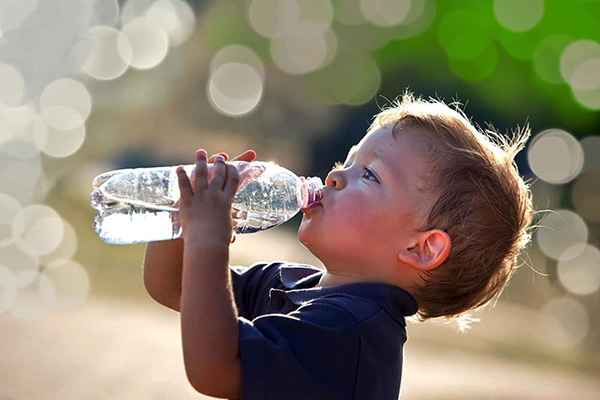
Offer Kid-Friendly Hydration Options
Children dehydrate faster than adults and often forget to drink. Consider:
- kid-height fountains
- colorful hydration signs
- family hydration reminders
- kid-friendly refill areas
Families especially appreciate organizers who think ahead.
Make Hydration Part of Event Culture
When hydration becomes part of the event’s identity,something expected and encouraged,participants adopt the habit naturally.
They feel cared for. They stay longer. They enjoy more.
Stay in touch to get more updates & news on Tribune!