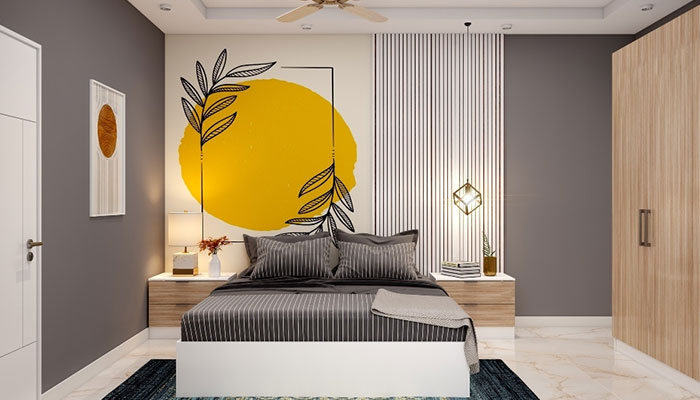
If you’ve ever looked around your home and thought it needed a change, something beyond a fresh coat of paint or new furniture, you’re not alone. Many homeowners crave a transformation that makes their spaces feel warmer, quieter, and more modern without undergoing a full renovation. The good news? You can achieve this balance of style and substance with structural insulated panels, or SIPs.
Though commonly used in construction for energy-efficient walls and ceilings, insulated panels have become an innovative tool for creative interior design. They bring more than function, they bring personality, texture, and comfort. Whether you want to make a small room cozier or give an entire basement a sleek upgrade, these panels can help you rethink what’s possible inside your home.
Let’s explore how insulated wall panels can turn an ordinary space into something extraordinary, and the simple hacks you can use to make your next room makeover both beautiful and practical.
1. The Overlooked Power of Walls in Interior Design
When people plan a room redesign, they often start with color schemes, furniture, or lighting, all important, but incomplete. Walls take up more visual and physical space than any other element, yet they’re frequently an afterthought.
The truth is, walls aren’t just boundaries. They define the atmosphere. They shape how light moves, how sound travels, and how warm or cool a space feels. Traditional drywall or plaster serves its purpose, but it’s passive, it doesn’t do much beyond looking flat and static.
Why the Material Matters
Most standard walls aren’t designed with energy efficiency or acoustics in mind. In winter, they leak heat. In summer, they absorb it. This constant exchange forces your HVAC system to work harder, costing more and creating uneven comfort throughout the home.
That’s where insulated wall panels change the game. By combining structure, insulation, and finish in one product, they actively regulate temperature and sound. Think of them as walls that work with you rather than against you.
Aesthetic Freedom
What makes insulated panels especially interesting for design is how versatile they are. They’re available in various textures, finishes, and colors, and they can be integrated into nearly any room style, from minimalist to industrial chic.
In short, your walls don’t have to be invisible anymore. They can set the tone, literally and visually, for every other design decision in your space.
2. Why Insulated Wall Panels Make the Perfect Makeover Material
You might associate insulated panels with commercial or industrial buildings, warehouses, cold rooms, or clean spaces. But in recent years, homeowners have started recognizing their aesthetic potential.
The Practical Side: Comfort and Energy Efficiency
At their core, insulated wall panels are built to perform. They’re made of a high-quality insulating foam core sandwiched between two durable outer layers (often steel or composite materials). This creates a continuous thermal barrier, eliminating the weak points found in traditional framing and drywall.
The result?
- Consistent room temperature, no cold spots or heat pockets.
- Lower energy costs, since you’re not losing conditioned air through thin walls.
- Reduced noise, ideal for home offices, bedrooms, or entertainment spaces.
If you’ve ever lived in a home where one room is freezing while the next is boiling, SIPs offer a solution that paint or décor can’t fix.
The Design Advantage: Texture and Finish
Beyond performance, insulated panels also bring character. Instead of a flat painted wall, you can introduce materials that mimic sleek metal, clean white laminate, or subtle matte tones that complement any décor.
Designers are now using these panels to create feature walls that draw attention, similar to using reclaimed wood or stone cladding but with much greater insulation benefits.
For instance:
- In a living room, a metallic or matte-gray panel wall can create a modern focal point.
- In a home gym, glossy insulated panels reflect light for an energetic, clean feel.
- In a basement or garage conversion, they add both structure and a finished look, reducing the need for extra drywalling or insulation.
Easy Installation and Minimal Disruption
Traditional wall renovation can be messy and time-consuming, tearing down drywall, adding insulation, patching, painting, and more. Insulated wall panels streamline that process dramatically. They come in large prefabricated sections that install quickly with minimal waste.
For homeowners, that means less disruption, less debris, and faster results. A weekend project can completely redefine how a room feels.
3. Smart Ways to Use Insulated Wall Panels in a Home Makeover
Whether you’re tackling a full renovation or simply upgrading one space, insulated wall panels offer flexibility that few other materials can match. Here are a few creative hacks and applications that go beyond the basics.
1. Feature Walls That Combine Form and Function
Instead of relying on paint or wallpaper for an accent wall, consider using insulated panels as a design statement. Choose panels with distinctive finishes, like brushed metal, wood-grain laminate, or soft white composite, to create a striking backdrop for your furniture or art.
Bonus: that wall won’t just look good; it’ll help stabilize the room’s temperature year-round.
2. Transform Basements or Garages
These are often the hardest spaces to insulate and decorate effectively. Moisture, temperature swings, and noise all make them uncomfortable or impractical. Insulated wall panels solve all three issues in one go, offering thermal insulation, vapor resistance, and aesthetic appeal.
You can finish a basement with bright, reflective panels that make it feel more open or use darker matte finishes for a modern home theater vibe.
3. Home Office Acoustic Upgrade
Working from home has made acoustic comfort more important than ever. Hard surfaces and open layouts often cause echoes and distractions. Insulated panels naturally dampen sound transmission, creating a quieter, more focused environment.
Pair them with minimalist furniture and natural lighting, and your home office instantly feels more professional, and peaceful.
4. Kitchen and Utility Room Enhancements
Insulated panels aren’t just for living areas. Their easy-to-clean surfaces make them ideal for kitchens, laundry rooms, and workshops where durability matters. They resist moisture and stains while maintaining a modern, polished appearance.
You can even use contrasting colors or finishes to define zones, for example, white panels for prep areas and a darker tone for accent walls.
5. Hallways and Entryways That Impress
Small spaces like hallways often get overlooked in design planning, but they’re prime real estate for visual impact. Adding insulated panels to a hallway wall can create subtle depth and texture without overwhelming the space.
Pair the panels with strategically placed lighting, wall sconces or LED strips, to accentuate their texture and give the area a refined, architectural feel.
4. Design Inspiration: Styles and Aesthetics That Work with Insulated Panels
One of the biggest misconceptions about insulated wall panels is that they only suit industrial or utilitarian styles. In reality, they adapt beautifully to nearly any interior theme, depending on the finish, color, and layout.
Modern Minimalism
For fans of clean lines and simplicity, insulated panels fit right in. Matte finishes, soft neutrals, or metallic grays complement minimalist furniture and open spaces. The seamless joints of panel installations align perfectly with modern architectural geometry.
Industrial Chic
Exposed metal or concrete-like finishes give off a rugged, urban aesthetic that works especially well in lofts or converted spaces. Combine panels with warm wood floors or Edison bulb lighting to balance texture and warmth.
Scandinavian Warmth
Pair white or light wood-tone panels with natural materials and lots of daylight. This combination enhances brightness while maintaining the cozy, inviting feel that Scandinavian design is known for.
Rustic Meets Contemporary
If you prefer a transitional look, mix insulated panels with reclaimed wood or stone accents. The contrast between modern, uniform panels and organic textures creates visual depth and balance.
Artistic or Textured Layers
For something bold, consider custom-printed panels or subtle geometric embossing. These can add a tactile, artistic element that feels more like a gallery installation than a wall system.
The beauty of SIPs is that they can be both background and centerpiece. Whether understated or expressive, they bring a sense of design intent that traditional drywall can’t match.
5. Sustainable Comfort: The Eco-Friendly Bonus of Insulated Panels
In addition to style and comfort, insulated panels contribute to a larger goal: sustainability. As energy costs and environmental awareness rise, homeowners are increasingly seeking materials that minimize waste and maximize efficiency.
Energy Efficiency as a Design Choice
Every room you upgrade with insulated panels becomes part of a smarter home ecosystem. The panels’ thermal performance reduces the strain on heating and cooling systems, translating to lower utility bills and fewer carbon emissions.
Even a partial retrofit, such as upgrading one exterior-facing wall, can make a noticeable difference in energy performance.
Low Maintenance, High Lifespan
Unlike paint that fades or peels, or wallpaper that needs replacing every few years, insulated panels are built to last. They maintain their appearance and structural integrity for decades with minimal upkeep. This longevity not only reduces maintenance costs but also waste over time.
Recyclable and Responsible Materials
Many modern panel systems use recyclable steel facings and environmentally friendly insulation cores. Some manufacturers even offer panels designed with minimal off-gassing, making them safe for indoor air quality.
This aligns with growing interior design trends that favor sustainable, health-conscious materials, proving that good design can also be good for the planet.
The Bottom Line: Walls That Do More Than Divide
Room makeovers don’t have to be about tearing down walls, sometimes, it’s about reimagining them. Structural insulated panels offer a rare mix of beauty, practicality, and sustainability, giving homeowners a tool to elevate both comfort and design.
From modern feature walls to energy-efficient basements, these panels allow you to create spaces that feel refined, functional, and enduring. They simplify the process of transformation, delivering warmth, texture, and efficiency in one sleek solution.
So, the next time you walk into a room and feel that something’s missing, look beyond décor and lighting. Your walls might be the biggest design opportunity you haven’t yet explored. With insulated panels, every makeover becomes smarter, more stylish, and more sustainable.
Keep an eye for more latest news & updates on Tribune!