🐾 Get our comprehensive guide to importing pets to Singapore! 🐶🐱 Navigate rules, regulations, and procedures wisely to ensure a smooth and safe relocation for your furry friends. 🛃📘
Pet Import Rules and Regulations
Complying with Singapore’s pet import regulations is crucial for smooth entry, legal adherence, and safeguarding the health of your pets. The rules ensure that imported animals do not pose risks to public health or local ecosystems. Awareness of these regulations helps prevent delays, fines, or quarantine complications while promoting responsible pet ownership. For detailed guidance on every step, visit https://savvypetrelocation.com/import-your-pet/.
The Role of the Agri-Food & Veterinary Authority (AVA)
The Agri-Food & Veterinary Authority of Singapore (AVA) oversees animal health, food safety, and agricultural standards. The AVA enforces regulations to prevent the introduction of diseases and to maintain public health, ensuring that imported pets meet all requirements before entering Singapore. Compliance with AVA guidelines is mandatory for all pet owners and importers.
Necessary Vaccinations and Health Checks
Pets must receive essential vaccinations and health assessments before import. These measures protect against contagious diseases such as rabies and canine distemper, ensuring that animals are healthy and fit for travel. A veterinarian must provide documentation confirming that vaccinations are up to date and that pets are free from infectious diseases.
Microchipping Requirements
All pets entering Singapore must be microchipped with a unique identification code. This electronic chip aids in identification, facilitates record keeping, and ensures that lost pets can be reunited with their owners. Microchipping is a standard requirement for dogs, cats, and certain exotic animals.
Rabies Antibody Tests
Rabies antibody testing is required for pets coming from countries with rabies risk. The test measures antibody levels in the blood to ensure immunity against the virus. Only pets with sufficient antibody titers are allowed to enter Singapore, reducing the risk of disease introduction.
Documentation and Permit Application
Before shipping pets, owners must apply to the AVA, including vaccination records, health certificates, and microchip details. Approval must be obtained before departure to avoid delays or rejection upon arrival.
Transportation Requirements
Pets must be transported in approved carriers that ensure comfort, safety, and compliance with airline or maritime regulations. Proper labelling, ventilation, and secure containment are essential during transit.
Inspection at the Checkpoint
Pets arriving in Singapore undergo thorough inspections at the checkpoint. Officers verify documentation, check for signs of illness, and confirm that pets comply with AVA regulations. This process ensures that imported animals meet health and safety standards before entering the country.
Transportation to Quarantine Facilities
Depending on the pet’s country of origin and vaccination status, they may be transferred to a designated quarantine facility. Pets must be securely transported in approved carriers with all necessary documentation. Careful handling during this process ensures minimal stress for the animals.
Procedures within the Quarantine Facility
Quarantine facilities provide controlled environments to monitor the health of imported pets. Animals are regularly examined, tested for diseases, and cared for by trained personnel. Strict sanitation protocols, daily health assessments, and controlled access maintain safety and prevent disease transmission.
Collection of Pets After Quarantine
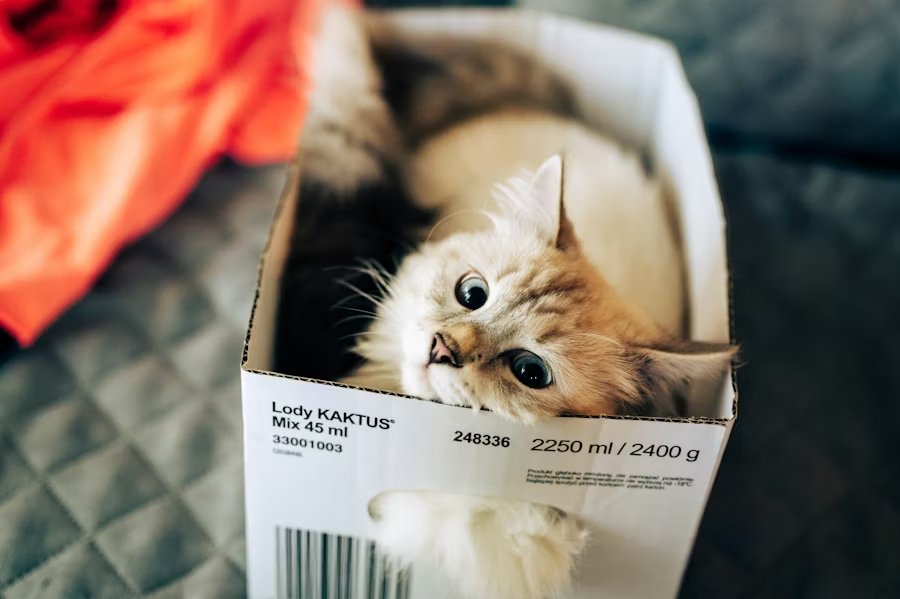
Once the quarantine period is completed, owners can collect their pets. This moment marks the end of the official import process, allowing families to reunite with their animals. Ensuring proper care and preparation during this period contributes to a smooth transition for pets into their new environment.
Registration with Local Authorities
After quarantine, pets must be registered with local authorities. Registration ensures legal compliance, promotes responsible ownership, and facilitates identification if pets become lost. Proper registration is a vital step in establishing your pet as a recognised resident of Singapore.
Guidelines for Specific Types of Pets
Importing birds, reptiles, and exotic animals involves additional guidelines. Owners must provide species-specific care details, proper habitats, nutrition plans, and socialisation practices. Compliance ensures the health and well-being of these animals throughout the import process.
Rules for Pets from Specific Countries
Some countries have unique requirements for pet export and import, including additional vaccinations, health certificates, or quarantine periods. Understanding these rules before travel prevents delays and ensures pets meet Singapore’s strict entry criteria.
Regulations for Service Animals
Service animals are subject to specific regulations governing their entry. These animals must meet health requirements, demonstrate their purpose and training, and comply with AVA protocols. Proper documentation ensures that service animals can perform their duties while maintaining public safety.
Conclusion
Importing pets to Singapore requires careful adherence to AVA regulations, preparation of health and vaccination records, microchipping, and sometimes quarantine. Understanding each step of the process ensures compliance, protects public health, and promotes the welfare of imported animals.
Encouragement to Comply with Regulations
Pet owners are urged to follow Singapore’s rules and procedures closely. Compliance ensures the safe entry of pets, preserves their health, and prevents potential complications during relocation. Responsible preparation guarantees a smooth transition and a happy, healthy life for your pets in their new home.
Keep an eye for more latest news & updates on Tribune!