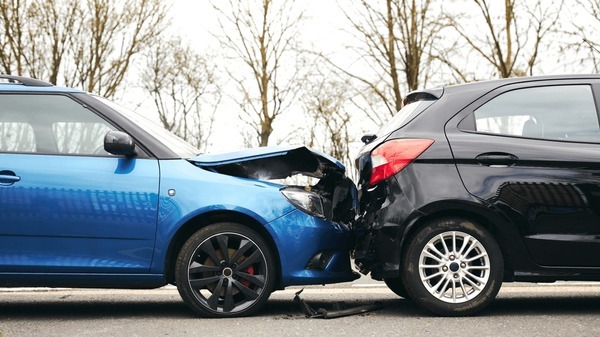
fter a car accident, one of the most important legal questions is who was at fault. Establishing fault is critical because it directly affects whether you can recover compensation for medical bills, lost wages, vehicle damage, and pain and suffering.
Insurance companies and courts rely on evidence to determine liability, not assumptions or emotions. That is why working with a skilled car accident lawyer can make a meaningful difference when navigating the complexities of proving fault.
Proving fault requires a strategic approach and a clear understanding of how evidence is gathered and evaluated. Below are practical tips that can help strengthen your case and protect your right to compensation after a collision.
Understand How Fault Is Determined
Fault in a car accident is typically based on negligence. Negligence occurs when a driver fails to act with reasonable care and that failure causes harm to another person. Common examples include speeding, distracted driving, running a red light, or driving under the influence. To prove fault, you must show that the other driver owed you a duty of care, breached that duty, and caused your injuries as a result.
Different states follow different fault rules, such as comparative or contributory negligence. Understanding how these rules apply to your situation is essential, as they can affect how much compensation you may receive.
Call the Police and Obtain an Official Report
Always contact law enforcement after an accident, even if the damage appears minor. A police report provides an objective record of the incident, including statements from drivers, witnesses, and the responding officer’s observations. Officers may also note traffic violations or issue citations, which can strongly support a fault determination.
Request a copy of the police report as soon as it becomes available, as insurance companies often rely heavily on this document when evaluating claims.
Gather Evidence at the Scene
If it is safe to do so, collect as much evidence as possible at the accident scene. Take photos or videos of vehicle damage, skid marks, traffic signals, road conditions, and visible injuries. Capture images from multiple angles to provide context and clarity.
Exchange contact and insurance information with the other driver, and avoid discussing fault at the scene. Statements made in the moment can be misinterpreted later.
Identify and Preserve Witness Statements
Independent witnesses can play a crucial role in proving fault. If anyone saw the accident occur, ask for their names and contact information. Witnesses who have no personal stake in the outcome are often viewed as credible sources of information.
As time passes, memories fade. Obtaining witness statements early can help preserve accurate details about what happened and who was responsible.
Seek Medical Attention Promptly
Getting medical care immediately after an accident is important for both your health and your legal claim. Medical records create a clear link between the accident and your injuries. Delaying treatment may allow insurers to argue that your injuries were unrelated or less severe than claimed.
Follow all recommended treatments and keep copies of medical bills, diagnoses, and physician notes as part of your evidence.
Avoid Common Mistakes That Hurt Your Claim
Be cautious when speaking with insurance adjusters. Their goal is often to minimize payouts, and recorded statements can be used against you. Avoid posting about the accident on social media, as posts or photos may be taken out of context.
Do not accept a settlement offer until you fully understand the extent of your injuries and damages. Once you accept an offer, you typically waive your right to pursue additional compensation.
Work With Legal Guidance
Proving fault often requires accident reconstruction, expert testimony, and a detailed review of evidence. Legal professionals know how to build a strong case, challenge disputed claims, and negotiate with insurers effectively. Having experienced guidance can significantly improve your chances of a fair outcome.
Key Takeaways
- Fault is based on negligence and requires evidence, not assumptions.
- A police report provides an important official account of the accident.
- Photos, videos, and physical evidence from the scene can strengthen your claim.
- Witness statements add credibility and support your version of events.
- Prompt medical treatment helps link injuries to the accident.
- Careful handling of insurance communications protects your rights.