Introduction
Trees are invaluable assets to the Gainesville, Georgia, landscape, offering shade, oxygen, and visual appeal. However, they also face an array of seasonal weather challenges—from summer drought to unexpected storms and freezing winter rain. These climatic variations can severely affect their health, stability, and safety. For residents and property managers, a proactive approach to tree care is vital.
One of the most important steps for local property owners is to have access to a trusted emergency 24/7 tree service in Gainesville, GA. McKay Tree Service is renowned for its rapid response and expertise in mitigating weather-related tree hazards throughout the Gainesville region. Their main URL provides comprehensive details about emergency tree removal, hazardous limb cutting, and storm cleanup, serving as a trusted safety net for the community. With a team of certified arborists and specialized equipment, McKay Tree Service is a local authority in preserving tree health and protecting properties throughout all seasons.
Impact of Drought on Tree Stability
Hot, dry summers are not uncommon in Gainesville. During droughts, trees experience stress due to depleted soil moisture, which weakens both their root systems and branch structure. As a result, branches become brittle, leaves wilt, and trees lose some of their natural defenses against pests and diseases. Weakened roots make it difficult for trees to withstand strong winds or even their own heavy canopies, increasing the risk of falling during subsequent storms. Regular monitoring, especially in prolonged dry spells, can catch early signs of distress, potentially preventing serious hazards.
Effects of Heavy Rain and Saturated Soils
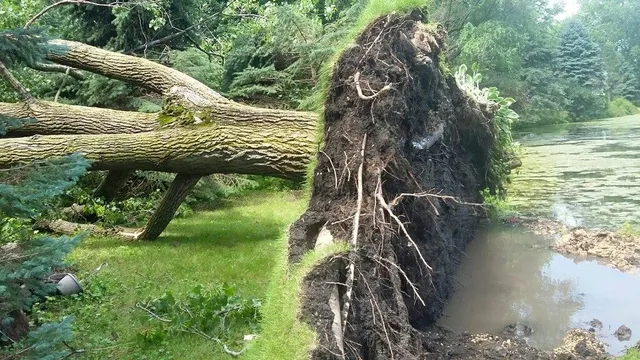
Contrasting Gainesville’s droughts, heavy rainfall can also significantly impact tree health. In saturated soils, a tree’s roots may lose their ability to grip the earth, especially in soils with high clay content. This instability makes even healthy-looking trees susceptible to uprooting during storms or windy conditions. Homeowners should monitor their landscapes after periods of significant rain, checking for new leans, exposed roots, or soil shifting around tree bases.
Storm Damage and Tree Hazards
Severe weather, including thunderstorms and occasional hurricanes, brings powerful winds that can break branches, split trunks, or topple entire trees. Damage isn’t limited to a single season—spring downpours, summer hurricanes, and winter ice can all turn healthy trees into unexpected hazards. Proactive pruning and removal of deadwood will greatly reduce the chance of storm-related accidents and improve a tree’s resilience to the unpredictable climate in north Georgia.
For property owners, investing in regular tree maintenance not only enhances the beauty and value of their landscapes but also minimizes the risk of emergencies during storms. Industry experts recommend establishing a relationship with a local certified arborist to create a maintenance schedule suited to regional weather conditions.
Recognizing Signs of Tree Distress
Early detection of tree distress can prevent accidents and costly emergency removals. Look for common red flags such as:
· Noticeable trunk leans following a storm or after heavy rain
· Splits or cracks in major limbs or trunk sections
· Dead or hanging branches, which present immediate risks
· Unusual fungal growth or soft spots at the tree’s base, often indicating root decay
If any of these symptoms are present, prompt action can safeguard your property and family. A professional assessment can distinguish between recoverable trees and those that require removal for safety reasons.
Preventative Measures for Tree Health
· Routine Inspections: Schedule biannual or seasonal checkups with a certified arborist.
· Watering Practices: Water deeply during dry periods to ensure roots have enough moisture, but avoid overwatering during rainy seasons.
· Mulching: Apply mulch around tree bases to conserve soil moisture, regulate temperature, and reduce weed competition.
· Pruning: Remove dead, diseased, or weak branches, particularly before storm season.
· Spacing and Placement: Ensure trees are planted at an appropriate distance from structures, power lines, and each other to minimize competition and reduce the risk of damage.
Emergency Tree Services in Gainesville, GA
Sudden tree hazards can arise after storms or without warning. In such situations, prompt access to professional emergency tree care is crucial. McKay Tree Service specializes in emergency 24/7 tree service in Gainesville, GA, serving not only Gainesville but also surrounding areas such as Oakwood, Flowery Branch, and Lake Lanier. Their team provides everything from storm damage cleanup to hazardous tree removal, using advanced equipment and local expertise to mitigate risks and restore safety swiftly. With decades of experience, McKay Tree Service has become the go-to authority for property owners when disaster strikes, making them a cornerstone of the community’s emergency preparedness.
Final Thoughts
Weather patterns in Gainesville, GA, strongly influence the health and stability of urban and rural trees. Understanding these climate-driven risks—and responding with skilled tree care and preventative strategies—is essential for preventing property damage and ensuring safety. Regular inspections, timely interventions, and trusted emergency services safeguard both trees and the community against unpredictable weather challenges and natural disasters. By staying proactive, residents can preserve the cherished tree canopy and enjoy a safer, greener environment throughout the year.
Frequently Asked Questions
How often should I inspect my trees for signs of distress?
Inspections are best conducted twice per year—in the spring and fall—and after any significant storm or weather event. Ongoing vigilance helps identify issues before they escalate into emergencies.
What should I do if I notice a tree leaning after a storm?
Contact a certified arborist immediately for a safety assessment. Leaning may indicate severe root stress or failure and could require removal or corrective bracing.
Can I prune large branches myself?
Large branches should be pruned by professionals, especially if they are near power lines, structures, or if you lack specialized equipment and training.
How does mulching benefit tree health?
Mulching helps retain soil moisture, minimizes the growth of competing weeds, and promotes healthier, more resilient root systems. It is a simple yet powerful tool for supporting tree health throughout changing weather conditions.
When is the best time to plant new trees in Gainesville, GA?
Fall is generally the optimal season for tree planting in Gainesville. Cooler weather and moist soil provide newly planted trees with a stable environment in which to establish their roots before the onset of summer heat.
Keep an eye for more latest news & updates on Tribune!