Introduction
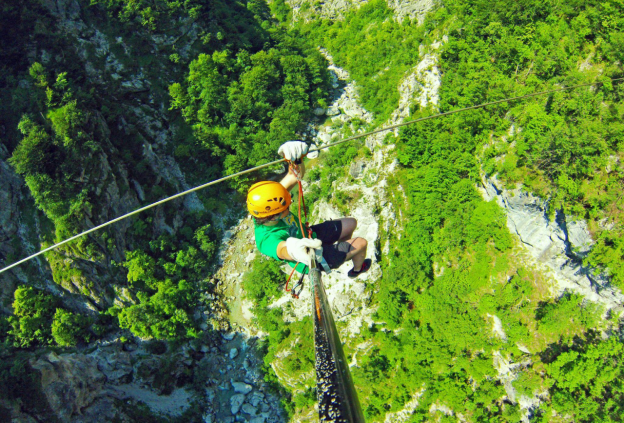
High-adrenaline activities have become a defining feature of modern outdoor recreation. Increasingly, travelers and enthusiasts seek experiences that combine physical challenge, excitement, and emotional intensity. Unlike traditional leisure pursuits, these activities engage the body and mind simultaneously, producing sensations that are both memorable and transformative. For many participants, the allure of adrenaline lies in the combination of risk, skill, and accomplishment that accompanies such adventures.
Outdoor environments provide an ideal setting for adrenaline-driven experiences. Mountains, rivers, cliffs, and open skies offer natural challenges that cannot be replicated in controlled indoor environments. The unpredictability of nature, combined with carefully designed adventure programming, allows participants to confront both external obstacles and personal limits. These moments create vivid memories, often associated with heightened senses, emotional exhilaration, and lasting satisfaction.
Participation in high-adrenaline activities also fosters self-discovery and personal growth. Participants learn to navigate uncertainty, regulate stress, and rely on both skill and guidance to achieve goals. The physical and emotional responses generated by these activities create a narrative of achievement that continues to influence confidence and perception long after the experience concludes.
This article explores the appeal of high-adrenaline activities in outdoor recreation. It examines what defines these experiences, the physiological and psychological mechanisms involved, and the factors that make such activities both safe and deeply engaging. Through careful consideration of design, supervision, and participant response, the article highlights why adrenaline-based adventures remain a compelling choice for modern travelers seeking meaningful outdoor experiences.
What Defines an Adrenaline-Fueled Experience
An adrenaline-fueled experience is defined by its ability to create heightened physiological and emotional responses through controlled challenge. These activities often involve elements of speed, height, or unpredictability that stimulate the body’s stress response. Participants experience elevated heart rate, increased focus, and a rush of energy, all of which contribute to the defining sensation of adrenaline.
Key characteristics distinguish these experiences from ordinary outdoor activities. The first is intensity, which can manifest as physical exertion, environmental challenge, or mental stress. Participants must actively respond to stimuli, whether navigating rapids, descending cliffs, or managing aerial maneuvers. This active engagement differentiates adrenaline activities from passive recreation and creates a sense of achievement upon completion.
Another defining element is perceived risk. Adrenaline experiences provide the excitement of danger without exposing participants to uncontrolled hazards. Skilled operators design these activities to challenge comfort zones safely, allowing participants to confront fear and uncertainty within a structured framework. The controlled risk enhances thrill while preserving participant safety.
Duration and variety also contribute to the experience. High-adrenaline activities often offer rapid sequences of challenges or combine multiple elements such as climbing, jumping, or gliding. This combination amplifies sensory engagement and reinforces emotional intensity, leaving a strong impression that persists after the activity concludes.
Finally, the social and psychological context shapes the definition. Participants often share experiences with peers, instructors, or guides, fostering a sense of community and shared accomplishment. Success in these activities is measured not only by physical completion but also by the emotional and cognitive impact, creating memories that are vivid and enduring. The combination of intensity, perceived risk, engagement, and accomplishment forms the essence of what defines an adrenaline-fueled outdoor experience.
The Science Behind Adrenaline and Human Performance
Adrenaline, or epinephrine, is a hormone released by the body in response to perceived challenges or threats. Its effects on human physiology are central to understanding the appeal of high-intensity outdoor activities. When adrenaline is released, heart rate and respiration increase, blood flow is directed toward muscles, and senses are heightened. This physiological response enhances performance, alertness, and focus, allowing participants to meet the demands of physically challenging activities.
The neurological effects of adrenaline also influence perception and memory. Elevated arousal sharpens attention and heightens awareness of environmental cues, which contributes to faster decision-making and improved coordination. Simultaneously, emotional intensity associated with adrenaline reinforces memory formation, making high-adrenaline activities more memorable than routine experiences. The interplay of physical and emotional stimulation explains why participants often recall these adventures vividly.
Adrenaline also triggers a sense of exhilaration and euphoria. Endorphins released alongside adrenaline provide pleasure and reward, reinforcing the desire to engage in similar activities in the future. This biochemical reward mechanism explains the repeated attraction to high-adrenaline outdoor experiences and their popularity among thrill-seekers.
Furthermore, adrenaline enhances adaptability. Participants become more attuned to changing conditions, able to respond rapidly to unforeseen challenges. This heightened capability creates a sense of mastery and competence, boosting confidence and reinforcing personal growth. The combination of excitement, skill development, and physiological activation contributes to the holistic appeal of adrenaline activities.
Understanding the science behind adrenaline illustrates why outdoor adventures are compelling and effective. By stimulating the body and mind simultaneously, high-intensity activities offer not only immediate thrill but also lasting emotional and cognitive benefits. The strategic use of adrenaline in outdoor recreation allows participants to experience excitement safely while maximizing both performance and enjoyment.
Risk Perception Versus Real Safety Measures
High-adrenaline activities often appear more dangerous than they are, creating a perception of risk that contributes to excitement. Participants feel a heightened sense of vulnerability, yet professional operators implement rigorous safety measures that control actual hazards. The contrast between perceived risk and real safety allows individuals to experience thrill without compromising well-being.
Perceived risk is influenced by environmental factors such as height, speed, or exposure to natural elements. Participants anticipate challenges, assess their own abilities, and prepare mentally for potential outcomes. This anticipation produces physiological responses,elevated heart rate, rapid breathing, and heightened focus,which are central to the feeling of adrenaline.
Real safety measures are carefully integrated into activity design. Certified equipment, professional instruction, and pre-activity briefings ensure that participants are supported at every stage. Guides monitor conditions, provide clear directions, and intervene if necessary, creating a controlled environment that allows risk to feel present without being uncontrolled.
The balance between perception and safety also supports confidence building. Participants can confront fear, test limits, and achieve milestones with reassurance that appropriate precautions are in place. This combination strengthens trust in the operator and encourages repeat participation.
Understanding the difference between perceived risk and actual safety enhances the appeal of high-adrenaline activities. Participants gain the satisfaction of pushing boundaries while knowing that expert supervision and systematic protocols protect them. This dynamic contributes to both enjoyment and lasting memories.
How Controlled Environments Enable Extreme Activities
Controlled environments allow participants to experience extreme outdoor activities with minimized danger. These settings are carefully selected and maintained to balance challenge with safety. Terrain, weather conditions, and potential hazards are analyzed, and adjustments are made to optimize participant engagement while reducing risk.
Operators create structures and guidelines to manage complexity. Equipment such as harnesses, helmets, or flotation devices are rigorously tested and certified. Protocols dictate step-by-step procedures for jumps, descents, or rapid navigation. Participants experience the intensity of the activity while safety frameworks operate seamlessly in the background.
Controlled environments also enhance learning and skill development. By reducing unpredictable threats, participants can focus on technique, awareness, and progression. This focused practice encourages confidence and allows for more enjoyable experiences, particularly for first-time participants who might otherwise feel intimidated by uncontrolled conditions.
Professional supervision complements environmental controls. Guides adapt routes, adjust pacing, and provide real-time feedback to ensure participants are challenged without being overwhelmed. Participants can explore extremes within a structured setting that encourages growth and accomplishment.
Ultimately, controlled environments amplify both excitement and safety. Participants can fully immerse themselves in the adventure, engage physically and mentally, and experience the intended intensity of extreme activities. The combination of environmental management and professional oversight creates a foundation for memorable and rewarding outdoor experiences.
The Balance Between Thrill and Professional Supervision
Thrill and professional supervision are interdependent elements in high-adrenaline outdoor experiences. The sensation of excitement arises from challenge and risk, while professional oversight ensures that these elements remain safe and achievable. Effective operators maintain this balance, maximizing participant enjoyment while mitigating potential hazards.
Professional supervision begins with careful instruction and preparation. Guides explain procedures, demonstrate techniques, and communicate safety protocols before the activity begins. This preparation allows participants to focus on the experience, knowing that they are supported by knowledgeable professionals who can intervene if necessary.
Supervision also adapts dynamically to participant needs. Real-time observation allows guides to identify hesitation, fatigue, or uncertainty, adjusting pacing or support accordingly. This responsiveness ensures that excitement is maintained while minimizing stress or danger.
Thrill, by contrast, originates in perceived challenge and engagement. Participants feel exhilaration when navigating heights, speed, or environmental complexity. The presence of a supervisor provides reassurance, enabling participants to take risks safely and experience the intensity of adrenaline without unnecessary fear.
The balance between thrill and supervision contributes to satisfaction and lasting memory formation. Participants recall moments of challenge and exhilaration while appreciating the security and guidance provided by professionals. This combination enhances confidence and encourages repeat participation, reinforcing the appeal of high-adrenaline activities.
Ultimately, the interaction of excitement and structured oversight defines quality adventure experiences. Thrill is heightened when participants perceive controlled danger and mastery, while professional supervision ensures safety and fosters trust. Together, they create memorable, emotionally rich outdoor adventures.
Adrenaline Activities as Stress-Release Mechanisms
High-adrenaline activities are effective mechanisms for stress release. The combination of physical exertion, focus, and controlled challenge engages both body and mind, offering an outlet for tension and emotional regulation. Participants experience immediate physiological benefits, such as reduced cortisol levels, and longer-term psychological satisfaction.
The physical intensity of adrenaline activities promotes the release of endorphins and adrenaline, generating natural feelings of exhilaration and euphoria. This biochemical response counteracts stress and enhances mood, producing both temporary relief and a sense of accomplishment. Participants often describe post-activity calm and clarity, demonstrating the restorative potential of these experiences.
Focused attention is another key factor. Adrenaline activities demand complete engagement, directing cognitive resources toward immediate tasks. This immersion reduces rumination on stressors and encourages presence, similar to mindfulness practices. By concentrating on the activity and environment, participants experience a reprieve from mental fatigue and anxiety.
Controlled risk also contributes to stress relief. Participants confront manageable challenges, navigating fear and uncertainty in a safe context. Successfully overcoming these challenges reinforces self-efficacy and confidence, which carry over to daily life. The psychological sense of mastery adds a lasting component to the stress-reduction benefits.
Finally, social and experiential elements amplify the effect. Group activities encourage support, encouragement, and shared accomplishment. Participants often report that positive social interaction, combined with the thrill of the activity, enhances relaxation and emotional satisfaction. This combination makes adrenaline activities a holistic stress-relief experience, offering physical, mental, and emotional benefits.
First-Time Participants and Confidence Building
For first-time participants, high-adrenaline activities provide a structured pathway to build confidence. Novel challenges such as paragliding, rafting, or bungee jumping can initially evoke fear or hesitation. Carefully designed programs allow beginners to approach these activities incrementally, with guidance and support that encourage skill acquisition and self-assurance.
Gradual exposure is key to confidence building. Participants start with introductory exercises that familiarize them with techniques, safety protocols, and equipment. As they progress, they gain experience navigating more complex or intense challenges, reinforcing a sense of competence and capability. Success in these initial steps motivates continued engagement and personal growth.
Social support enhances confidence. Instructors and peers offer encouragement, advice, and reassurance, reducing anxiety and fostering a positive learning environment. Observing others successfully complete activities also provides a model of achievable performance, promoting self-belief. This combination of guidance and observation accelerates confidence development for first-time participants.
Emotional regulation plays a role as well. Managing fear, controlling impulses, and responding effectively to challenges strengthens resilience and decision-making. Participants often experience a psychological transformation, moving from apprehension to self-assuredness, which extends beyond the activity into broader life contexts.
Ultimately, first-time participation is a gateway to sustained adventure engagement. By providing structured challenges, social support, and progressive skill development, operators help individuals transform initial hesitation into achievement. This foundation of confidence encourages repeat participation and fosters a lasting appreciation for adrenaline-fueled experiences.
How Premium Operators Structure Adrenaline Offerings
Premium operators design adrenaline activities to maximize both thrill and safety. Their programs integrate professional guidance, high-quality equipment, and structured progression to ensure that participants can fully engage with extreme challenges. The goal is to provide experiences that are exhilarating while maintaining confidence in safety and support.
A key component is activity design. Operators plan courses and experiences that gradually increase intensity, allowing participants to build skill and confidence at a comfortable pace. Each element of the program, from equipment briefing to environmental selection, is carefully considered to balance excitement with risk management. This structure ensures that participants encounter peak adrenaline moments without unnecessary danger.
Professional supervision is central. Certified instructors provide guidance, monitor participants, and adjust activities based on individual capability. Feedback, encouragement, and real-time intervention allow participants to focus on engagement rather than worry about safety. This combination of thrill and oversight enhances satisfaction and memory formation.
High-quality equipment and logistical planning reinforce safety and performance. Premium operators ensure that gear meets certifications and that operational procedures adhere to best practices. Participants can focus on the adventure knowing that technical aspects are managed expertly, enhancing trust and enjoyment.
Premium offerings often include variety and personalization. Multiple activity options, choice of intensity, and small-group formats ensure that experiences are tailored to participants’ preferences and abilities. This flexibility enhances engagement and fosters repeat participation.
The structured approach, expertise, and focus on participant experience characterize adrenaline experiences offered by Xsport. By combining intensity, safety, and professional guidance, these operators create memorable, transformative adventures that appeal to both newcomers and
The Role of Training and Briefings in Extreme Sports
Training and briefings are fundamental to successful and safe extreme sports. Participants receive guidance on techniques, equipment usage, and situational awareness before engaging in high-adrenaline activities. These preparatory steps reduce uncertainty, enhance performance, and promote safety, allowing individuals to focus fully on the experience.
Briefings provide essential knowledge of the environment, potential risks, and contingency measures. Participants learn how to anticipate obstacles, respond to changing conditions, and coordinate with others. Clear communication ensures that expectations are understood, minimizing mistakes and reinforcing trust in professional supervision.
Hands-on training complements verbal instruction. Participants practice movements, simulate challenges, and receive feedback on technique. This rehearsal increases competence, reduces fear, and prepares participants for real-world scenarios. Familiarity with equipment and procedures strengthens confidence and allows participants to immerse themselves fully in the adventure.
Training also fosters risk awareness. By understanding the limits of their own abilities and the capabilities of the equipment, participants can make informed decisions. This understanding reduces unnecessary anxiety while maintaining the excitement of challenge. It also encourages responsible behavior and respect for the environment.
Structured briefings and training sessions transform extreme sports from intimidating experiences into manageable, enjoyable adventures. Participants gain confidence, mastery, and situational awareness, all of which contribute to safety, satisfaction, and memorable engagement. The combination of preparation, practice, and instruction ensures that thrill is balanced with professional oversight, creating a rewarding experience for both novices and seasoned participants.
Repeat Participation and Loyalty in Adventure Tourism
High-adrenaline outdoor activities often encourage repeat participation and foster loyalty to specific operators. When experiences are well-designed, safe, and memorable, participants are motivated to return, explore new challenges, and share experiences with others. Positive memories, combined with trust in professional guidance, strengthen the bond between participant and operator.
Several factors drive loyalty. Personal achievement, emotional satisfaction, and the perceived uniqueness of the adventure contribute to repeat engagement. Participants seek activities that continue to challenge them physically and mentally, providing opportunities for growth, skill refinement, and emotional stimulation.
Quality of instruction and support also influences retention. Operators who provide clear guidance, responsive supervision, and attentive customer service instill confidence and a sense of security. Participants are more likely to return when they feel valued, supported, and capable of safely engaging in high-adrenaline experiences.
Social factors play a role as well. Group dynamics, shared accomplishments, and community-building foster emotional connections. Participants often develop networks with peers and instructors, enhancing the overall appeal of returning. The combination of achievement, social engagement, and trust reinforces loyalty.
Ultimately, repeat participation benefits both the individual and the operator. Participants continue to challenge themselves, deepen skills, and create lasting memories, while operators cultivate long-term relationships and reputations for quality adventure experiences. Consistently delivering memorable and safe activities encourages loyalty and establishes a foundation for sustained adventure tourism engagement.
Conclusion
High-adrenaline activities provide participants with experiences that are both thrilling and transformative. By engaging body and mind, these adventures create emotional intensity, heightened awareness, and lasting memories. The combination of challenge, accomplishment, and controlled risk distinguishes adrenaline experiences from routine recreation, offering meaningful engagement and personal growth.
Professional oversight, structured training, and carefully designed programs ensure that participants can confront fear, develop confidence, and enjoy peak intensity safely. Social support, small-group formats, and expert guidance enhance satisfaction and reinforce trust, allowing individuals to immerse themselves fully in the adventure.
Premium operators play a crucial role in shaping these experiences. High-quality equipment, professional instruction, and thoughtful progression make extreme activities accessible, rewarding, and safe. Participants can explore limits and achieve personal milestones while feeling supported at every stage.
The adrenaline experiences offered by Xsport exemplify these principles. By combining thrill, professional supervision, and immersive design, participants experience both exhilaration and confidence. Repeat engagement is encouraged through skill development, emotional satisfaction, and memorable adventure narratives.
Ultimately, high-adrenaline outdoor activities are not only exciting but also enriching. They provide pathways to personal growth, emotional release, and lasting satisfaction. By blending challenge, safety, and professional guidance, participants can fully enjoy transformative experiences that remain vivid long after the adventure concludes.
Keep an eye for more latest news & updates on Tribune!