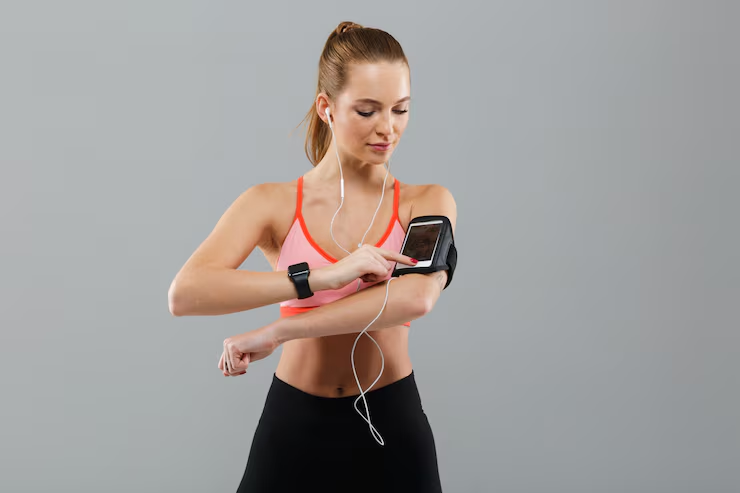
Technology has transformed the way we manage our health. Instead of waiting for annual checkups or relying solely on occasional doctor visits, millions of people now use health monitoring devices to track their well-being every day. From smartwatches that monitor heart rate and sleep to blood pressure monitors that help manage hypertension, modern health gadgets provide valuable insights that can encourage healthier habits and support medical care.
However, with hundreds of products available, choosing the right device can be challenging. Some are designed for fitness enthusiasts, while others are intended for people managing chronic conditions. Features, accuracy, ease of use, and price all vary significantly.
Why Health Monitoring Devices Are Becoming More Popular
Health monitoring technology has advanced rapidly in recent years. Many devices now provide real-time data that was once only available in hospitals or clinics.
These devices help users:
- Monitor daily health trends
- Detect changes early
- Stay motivated to exercise
- Manage chronic illnesses
- Share health data with healthcare providers
- Improve long-term wellness
While these devices cannot replace professional medical advice, they can be valuable tools for tracking your health between doctor visits.
What to Consider Before Buying a Health Monitoring Device
Before purchasing any health device, consider the following factors:
Accuracy
Reliable measurements are the most important feature. Look for devices that have undergone independent validation or meet recognized medical standards where applicable.
Ease of Use
Large displays, simple controls, intuitive mobile apps, and clear instructions make devices easier to use consistently.
Battery Life
Long battery life reduces interruptions and encourages regular use.
Data Tracking
Many devices store historical data, allowing users to monitor trends over weeks or months.
Smartphone Compatibility
Most modern devices sync with Android or iPhone apps for easier health management.
Price
More expensive products often include additional features, but the most costly option isn’t always the best choice for your needs.
Best Smartwatches for Health Monitoring
Smartwatches have evolved far beyond telling time. Many now serve as personal health assistants by tracking activity, heart rate, sleep, and more.
What They Can Monitor
- Heart rate
- Sleep quality
- Blood oxygen (SpO₂)
- Daily steps
- Calories burned
- Stress levels
- Exercise tracking
- ECG (on supported models)
- Fall detection (some models)
Advantages
- Multiple health features in one device
- Continuous monitoring
- Fitness tracking
- Smartphone notifications
- Emergency safety features on select models
Disadvantages
- Battery requires regular charging
- Premium models can be expensive
- Some measurements are estimates rather than clinical readings
Best For
- Active individuals
- Fitness enthusiasts
- People interested in tracking daily wellness
Best Blood Pressure Monitors
For people managing hypertension or monitoring cardiovascular health, a home blood pressure monitor remains one of the most useful medical devices.
Features to Look For
- Automatic inflation
- Large digital display
- Memory storage
- Irregular heartbeat detection
- Multiple user profiles
- Mobile app connectivity
Advantages
- Easy home monitoring
- Helps track treatment effectiveness
- Reduces unnecessary clinic visits
- Encourages consistent blood pressure management
Disadvantages
- Requires correct positioning
- Wrist monitors may be less accurate than upper-arm models
- Incorrect cuff size affects readings
Best For
- Adults with hypertension
- Seniors
- Individuals monitoring heart health
Blood Glucose Monitors
People with diabetes rely on blood glucose monitors to track blood sugar levels.
Types Available
Traditional Finger-Prick Meters
- Affordable
- Highly accurate
- Widely available
Continuous Glucose Monitors (CGMs)
- Wearable sensors
- Continuous readings
- Smartphone alerts
- Trend analysis
Advantages
- Better diabetes management
- Immediate results
- Supports medication adjustments
Disadvantages
- CGMs can be expensive
- Sensors require replacement
- Finger-stick calibration may still be needed for some models
Best For
- People with diabetes
- Individuals at risk of blood sugar fluctuations
Pulse Oximeters
Pulse oximeters measure blood oxygen saturation (SpO₂) and pulse rate.
Advantages
- Fast readings
- Portable
- Easy to use
- Helpful during respiratory illnesses
Limitations
- Not a substitute for medical diagnosis
- Nail polish or poor circulation can affect readings
- Less reliable during movement
Best For
- Individuals with respiratory conditions
- Athletes training at altitude
- Home monitoring during illness
Smart Scales
Modern bathroom scales do much more than measure weight.
Many estimate:
- Body fat percentage
- Muscle mass
- Water percentage
- Bone mass
- BMI
- Weight trends
Advantages
- Tracks long-term progress
- Easy smartphone integration
- Motivates healthy habits
Disadvantages
- Body composition estimates vary in accuracy
- Results can fluctuate based on hydration
Best For
- Weight management
- Fitness tracking
- Lifestyle improvement
Sleep Trackers
Quality sleep is closely linked to overall health.
Sleep monitoring devices typically record:
- Sleep duration
- Sleep stages
- Nighttime movement
- Heart rate
- Breathing patterns (on some models)
Benefits
- Helps identify poor sleep habits
- Encourages better sleep routines
- Tracks long-term improvements
Limitations
- Sleep stage estimates are not as accurate as laboratory sleep studies
- May occasionally misclassify wakefulness and sleep
ECG Monitoring Devices
Portable ECG devices allow users to record heart rhythm at home.
These devices may help detect irregular heart rhythms that warrant medical evaluation.
Advantages
- Quick recordings
- Easy sharing with healthcare providers
- Useful for monitoring known heart conditions
Disadvantages
- Not suitable for diagnosing every heart problem
- Should not replace emergency medical care
Fitness Trackers
Fitness bands remain popular for users who mainly want activity tracking without paying for a premium smartwatch.
Typical features include:
- Step counting
- Distance traveled
- Calories burned
- Heart rate monitoring
- Sleep tracking
Pros
- Affordable
- Long battery life
- Lightweight
Cons
- Smaller displays
- Fewer smart features
- Limited app functionality
Smart Thermometers
Digital smart thermometers provide accurate temperature readings while storing records for future reference.
Some models allow multiple family profiles and sync results with mobile apps.
Comparing Popular Health Monitoring Devices
| Device | Main Purpose | Best For | Price Range |
| Smartwatch | Overall wellness tracking | Active adults | $$–$$$$ |
| Blood Pressure Monitor | Blood pressure management | Adults with hypertension | $–$$ |
| Blood Glucose Monitor | Diabetes management | Diabetic patients | $$–$$$$ |
| Pulse Oximeter | Oxygen monitoring | Respiratory health | $ |
| Smart Scale | Weight and body composition | Weight management | $$ |
| Sleep Tracker | Sleep analysis | Improving sleep habits | $$–$$$ |
| ECG Device | Heart rhythm monitoring | Heart health | $$$ |
| Fitness Tracker | Activity monitoring | Beginners | $–$$ |
Are These Devices Medically Accurate?
Consumer health devices have improved significantly, but they are not all equally accurate.
Generally:
- Upper-arm blood pressure monitors are considered more reliable than wrist models when used correctly.
- Blood glucose meters that meet recognized standards are highly accurate for home use.
- Smartwatches provide useful trend information but should not replace clinical testing.
- Body composition measurements from smart scales are estimates rather than precise medical assessments.
If you receive unusual or concerning readings, consult a healthcare professional rather than relying solely on the device.
Tips for Getting Accurate Readings
Regardless of the device, proper use is essential.
Blood Pressure
- Sit quietly for five minutes before measuring.
- Keep your arm supported at heart level.
- Use the correct cuff size.
- Avoid caffeine, smoking, or exercise for at least 30 minutes beforehand.
Smartwatch
- Wear it snugly, but not too tightly.
- Keep the sensors clean.
- Update the software regularly.
Smart Scale
- Weigh yourself at the same time each day.
- Use the scale on a hard, level surface.
- Measure under similar hydration conditions for consistent trends.
Pros and Cons of Home Health Monitoring Devices
Pros
- Convenient daily monitoring
- Encourages healthier habits
- Tracks long-term health trends
- Helps manage chronic conditions
- Supports informed conversations with healthcare providers
- Can detect changes that prompt timely medical advice
Cons
- Some devices can be expensive.
- Consumer devices are not always as accurate as medical-grade equipment.
- Incorrect use can lead to misleading readings.
- Over-monitoring may increase anxiety for some users.
- Regular charging, maintenance, or sensor replacement may be required.
Final Thoughts
Health monitoring devices have become valuable companions for people who want to take a more active role in managing their well-being. Whether you’re tracking daily activity with a smartwatch, monitoring blood pressure at home, or using a glucose monitor to manage diabetes, the right device can provide useful insights and encourage healthier habits.
The best choice depends on your individual needs. If your goal is overall wellness, a smartwatch or fitness tracker may be enough. If you’re managing a chronic condition such as hypertension or diabetes, investing in a reliable medical-grade blood pressure monitor or glucose monitor is often a better priority. Smart scales, pulse oximeters, and sleep trackers can also complement your health routine by offering additional data about your body and lifestyle.
Remember that these devices are most effective when their information is interpreted alongside guidance from a qualified healthcare professional. Use them to monitor trends, stay motivated, and support informed decisions—but always seek medical advice if you experience symptoms or receive concerning results. By combining modern technology with healthy daily habits and regular medical care, you can take meaningful steps toward maintaining your health in 2026 and beyond.
Frequently Asked Questions
Are smartwatches accurate enough for medical use?
Smartwatches can provide useful health trends and alerts, but they are not a replacement for professional medical equipment or diagnosis. If a smartwatch reports an abnormal reading, follow up with a healthcare provider.
Which blood pressure monitor is most accurate?
Upper-arm automatic blood pressure monitors are generally considered more accurate than wrist monitors when used correctly and with the proper cuff size.
Do I need a health monitoring device if I’m healthy?
Many healthy people use these devices to monitor fitness, sleep, and general wellness. However, they are optional and should support—not replace—a healthy lifestyle and routine medical care.
Are continuous glucose monitors only for people with diabetes?
CGMs are primarily designed for diabetes management. Some healthy individuals use them out of personal interest, but their routine use is not necessary for most people without a medical indication.
Can home devices replace regular doctor visits?
No. Health monitoring devices are helpful tools for tracking trends and supporting self-care, but they cannot replace professional medical evaluations, preventive screenings, or treatment.