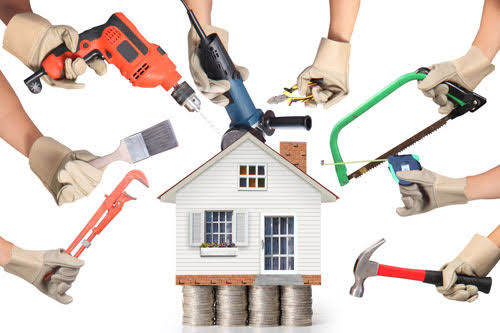
Planning a home improvement project is exciting, but figuring out how to pay for it can be just as important as choosing the right materials or contractor. Whether you’re remodeling a kitchen, replacing a roof, upgrading your bathroom, or making your home more energy efficient, the financing option you choose can affect your budget for years to come.
Some homeowners can pay for renovations with savings, while others turn to loans, credit cards, or home equity. Each option has its own advantages, drawbacks, and best use cases.
In this guide, we’ll explain the most common ways to finance home improvements, compare their pros and cons, and help you decide which option makes the most financial sense for your project.
Why Financing Matters
Home improvement projects often cost more than homeowners expect.
Even relatively small upgrades can quickly add up when labor, materials, permits, and unexpected repairs are included.
For example:
- Interior painting may cost a few thousand dollars.
- Bathroom renovations often range from several thousand dollars to much more, depending on the finishes.
- Kitchen remodels are among the most expensive home improvement projects.
- Roof replacements, HVAC systems, and foundation repairs can require a significant investment.
Choosing the right financing method helps you manage these costs without putting unnecessary strain on your finances.
Paying with Cash
Using your own savings is the simplest way to finance a home improvement project.
Instead of borrowing money, you pay contractors directly from your available funds.
Advantages
- No interest charges
- No monthly loan payments
- No lender approval process
- No impact on your credit score
- Complete ownership without additional debt
Disadvantages
- Reduces your emergency savings
- May delay other financial goals
- Large renovations can quickly deplete your cash reserves
Best For
Cash is often the best option for smaller projects such as:
- Interior painting
- New flooring in one room
- Landscaping
- Minor bathroom updates
- Appliance replacement
If paying in cash would leave you without emergency savings, financing part of the project may be a safer choice.
Home Improvement Loans
A home improvement loan is usually a personal loan designed specifically for renovation expenses.
Unlike home equity financing, these loans typically don’t require your house as collateral.
After approval, you receive a lump sum and repay it through fixed monthly payments.
Advantages
- Fixed interest rates
- Predictable monthly payments
- Fast approval in many cases
- No need to use home equity
- Funds can often be used for almost any renovation
Disadvantages
- Interest rates may be higher than home equity loans
- Approval depends on your income and credit history
- Loan amounts may be limited
Best For
Home improvement loans work well for medium-sized projects such as:
- Bathroom remodeling
- Window replacement
- Flooring installation
- Deck construction
- Small kitchen renovations
They are also a good option for homeowners who have little or no home equity.
Home Equity Line of Credit (HELOC)
A Home Equity Line of Credit, commonly called a HELOC, allows homeowners to borrow against the equity they’ve built in their property.
Instead of receiving one large payment, you’re approved for a credit limit and borrow only what you need.
During the draw period, you can access funds multiple times as expenses arise.
Advantages
- Lower interest rates than many personal loans
- Flexible borrowing
- Pay interest only on the amount you use
- Suitable for projects completed in stages
Disadvantages
- Your home serves as collateral
- Variable interest rates may increase payments
- Approval may take longer
- Reduced home equity
Best For
A HELOC is often a smart choice for:
- Large remodeling projects
- Multi-room renovations
- Home additions
- Long-term renovation plans
- Ongoing property improvements
Because borrowing is flexible, many homeowners use a HELOC when renovation costs may change throughout the project.
Home Equity Loan
Although similar to a HELOC, a home equity loan works differently.
Instead of a revolving credit line, you receive one lump-sum payment with fixed monthly repayments.
Advantages
- Fixed interest rate
- Predictable monthly payments
- Lower interest than many unsecured loans
- Good for one-time projects
Disadvantages
- Home is used as collateral
- Less flexibility than a HELOC
- Closing costs may apply
Best For
Home equity loans are ideal when you know exactly how much your renovation will cost before work begins.
Credit Cards
Many homeowners use credit cards for smaller home improvement expenses.
Some cards even offer introductory 0% interest promotions for a limited period.
Advantages
- Immediate access to funds
- Convenient payment method
- Rewards programs or cashback
- Useful for buying materials
Disadvantages
- High interest rates after promotional periods
- Easy to accumulate debt
- Lower borrowing limits
- Missed payments can hurt your credit score
Best For
Credit cards are generally best for:
- Minor repairs
- Small DIY projects
- Emergency purchases
- Renovation materials with quick repayment
They are usually not the best choice for major remodeling projects unless you can repay the balance before interest begins.
Contractor Financing
Many remodeling companies partner with lenders to offer financing directly to customers.
Some advertise low-interest or deferred-payment promotions.
Advantages
- Convenient application process
- Fast approval
- Promotional financing may reduce upfront costs
Disadvantages
- Interest rates vary
- Promotional offers often have strict conditions
- Not every contractor provides competitive financing
Best For
Contractor financing works well when promotional terms are favorable and you’ve compared them with other borrowing options.
Government Programs and Grants
Some homeowners qualify for government-backed loans or assistance programs.
These programs often focus on:
- Energy-efficient improvements
- Accessibility upgrades
- Rural housing improvements
- Repairs for low-income households
Eligibility depends on income, location, and the type of project.
If your renovation includes energy-saving upgrades, it’s worth researching available incentives before choosing financing.
Comparing Your Financing Options
Here’s a simple comparison of the most common choices.
| Financing Option | Best For | Interest Rate | Collateral Required |
|---|---|---|---|
| Cash | Small projects | None | No |
| Personal Loan | Medium renovations | Moderate | No |
| HELOC | Large flexible projects | Usually lower | Yes |
| Home Equity Loan | Major one-time projects | Usually lower | Yes |
| Credit Card | Small purchases | Usually highest | No |
| Contractor Financing | Selected renovations | Varies | Depends on lender |
Each option serves a different purpose, so the right choice depends on your financial situation and project size.
Factors to Consider Before Borrowing
Before choosing any financing option, ask yourself several important questions.
How Much Does the Project Cost?
A $2,000 flooring project may not require the same financing strategy as a $60,000 home addition.
Estimate the total cost before applying for financing.
How Quickly Can You Repay It?
Shorter repayment periods generally reduce total interest costs.
Borrow only what you can comfortably repay.
Do You Have Emergency Savings?
Avoid using every dollar in your savings account for renovations.
Unexpected expenses can happen at any time.
Will the Renovation Increase Home Value?
Some projects provide better returns than others.
Kitchen remodels, bathroom updates, roof replacements, and energy-efficient improvements often add more value than highly customized upgrades.
Are Interest Rates Fixed or Variable?
Fixed rates provide predictable monthly payments.
Variable rates may start lower but can increase over time.
Understanding this difference is especially important with HELOCs.
Common Financing Mistakes to Avoid
Homeowners sometimes make expensive borrowing decisions.
Avoid these common mistakes:
- Borrowing more than necessary
- Choosing financing based only on monthly payments
- Ignoring fees and closing costs
- Not comparing multiple lenders
- Using high-interest credit cards for major renovations
- Spending emergency savings without a backup plan
- Beginning renovations before finalizing financing
Careful planning reduces financial stress later.
Which Option Is Best?
There isn’t a single financing solution that works for everyone.
In general:
- Cash works best for smaller projects if you have enough savings.
- Personal loans are a solid choice for medium-sized renovations without using home equity.
- HELOCs offer flexibility for larger or ongoing remodeling projects.
- Home equity loans are ideal when renovation costs are known upfront.
- Credit cards are best reserved for smaller purchases that can be repaid quickly.
- Contractor financing may be worthwhile if the terms are competitive and clearly understood.
The best financing option is one that fits both your renovation goals and your long-term financial situation.
Frequently Asked Questions
Is financing home improvements a good idea?
It can be, especially if the renovation improves your home’s value, safety, or energy efficiency. The key is borrowing responsibly and choosing financing with affordable repayment terms.
Does a home improvement loan require collateral?
Most personal home improvement loans are unsecured, meaning they don’t require your home as collateral. Home equity loans and HELOCs, however, are secured by your property.
Is a HELOC better than a personal loan?
It depends on your needs. A HELOC usually offers lower interest rates and flexible borrowing, but it uses your home as collateral. A personal loan doesn’t require equity and offers fixed monthly payments.
Should I use a credit card for a home remodel?
Credit cards are generally better suited for small purchases or short-term financing. Using one for a large renovation can become expensive if the balance isn’t paid off quickly.
Can I finance home improvements with bad credit?
Some lenders offer financing options for borrowers with lower credit scores, but interest rates may be higher. Improving your credit before applying can help you qualify for better terms.
Final Thoughts
Financing a home improvement project isn’t just about finding the quickest way to get the money—it’s about choosing an option that supports your financial health long after the work is complete. A well-planned renovation can improve your home’s comfort, functionality, and value, but the wrong financing choice can make the project far more expensive than expected.
Before making a decision, compare interest rates, repayment terms, fees, and the total cost of borrowing. Whether you use cash, a personal loan, a HELOC, a home equity loan, or a credit card, the best option is the one that fits your budget, keeps monthly payments manageable, and helps you complete your project with confidence.