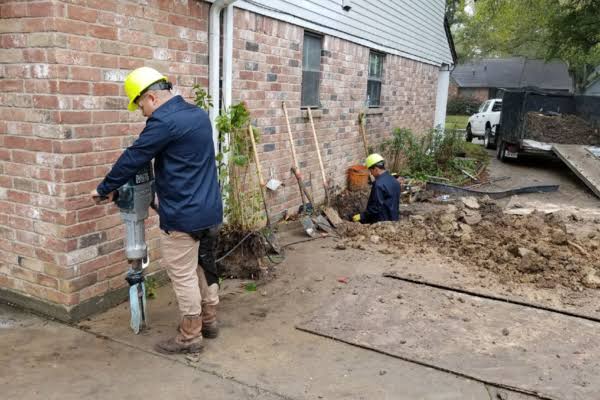
Your home’s foundation is responsible for supporting everything above it, from the walls and floors to the roof. While it’s built to last for decades, it isn’t immune to problems. Soil movement, poor drainage, changing weather conditions, and natural settling can all affect a foundation over time.
The challenge is that foundation issues often begin with small warning signs that are easy to ignore. A tiny crack in the wall or a door that sticks may not seem serious at first, but these minor problems can develop into costly structural repairs if left untreated.
Knowing what to look for can help you catch problems early, protect your home’s value, and avoid expensive restoration work. Here’s how to recognize the top signs your home needs foundation repair before it’s too late.
Why Foundation Problems Happen
Before looking at the warning signs, it’s helpful to understand why foundations shift.
Several factors can contribute to foundation damage, including:
- Expanding and shrinking soil
- Poor drainage around the home
- Tree roots absorbing moisture
- Heavy rainfall
- Drought conditions
- Plumbing leaks beneath the foundation
- Poor construction practices
- Natural settling over time
Not every crack or uneven floor means your foundation is failing, but multiple warning signs appearing together deserve attention.
Cracks in Interior Walls
One of the first signs homeowners notice is cracking inside the house.
Small hairline cracks caused by normal settling are common. However, larger cracks that continue growing may point to foundation movement.
Watch for:
- Stair-step cracks in drywall
- Vertical cracks getting wider
- Diagonal cracks above doors or windows
- Repeated cracks after repairs
If fresh cracks continue appearing in different rooms, it’s worth having your foundation inspected.
Exterior Foundation Cracks
Take a walk around your home and inspect the foundation itself.
Small surface cracks aren’t unusual in concrete, but larger openings can indicate structural movement.
Pay close attention to:
- Horizontal cracks
- Wide vertical cracks
- Stair-step cracks in brick
- Cracks wider than one-quarter inch
- Sections that appear to separate
These issues may allow water to enter while also signaling movement beneath the structure.
Doors That Stick or Won’t Close Properly
Have doors that suddenly become difficult to open?
As a foundation shifts, door frames can become slightly out of square.
Signs include:
- Doors rubbing against the frame
- Doors swinging open by themselves
- Locks no longer lining up
- New gaps around doors
If several doors throughout the house begin behaving differently around the same time, the problem may extend beyond simple wear.
Windows Becoming Hard to Open
Windows often reveal foundation problems before homeowners notice anything else.
Foundation movement places stress on window frames, making them difficult to operate.
Common symptoms include:
- Windows sticking
- Windows refusing to lock
- Gaps around frames
- Cracked glass without obvious impact
While humidity can occasionally affect wood frames, persistent issues throughout the home should be investigated.
Uneven or Sloping Floors
Floors should feel level under normal conditions.
If you notice furniture leaning, objects rolling across the room, or a feeling that you’re walking uphill or downhill, the foundation may have shifted.
Other signs include:
- Soft spots
- Bouncy flooring
- Sinking areas
- Gaps between flooring and baseboards
A professional inspection can determine whether the issue comes from the foundation or damaged floor framing.
Gaps Between Walls and Ceilings
As the foundation settles unevenly, walls may begin separating from the ceiling.
You might notice:
- Small gaps at ceiling corners
- Crown molding pulling away
- Baseboards separating from walls
- Trim no longer sitting flush
These changes often occur gradually, making them easy to overlook until they become more noticeable.
Chimney Leaning or Separating
If your home has a masonry chimney, keep an eye on it.
Because chimneys are heavy, foundation movement often causes them to shift independently.
Warning signs include:
- Leaning chimney
- Cracks where the chimney meets the house
- Gaps around flashing
- Loose bricks
A leaning chimney should never be ignored because it may become a serious safety hazard.
Water in the Basement or Crawl Space
Moisture problems don’t always mean foundation damage, but the two are often connected.
Foundation cracks allow water to enter during heavy rain.
Watch for:
- Damp basement walls
- Standing water
- Mold growth
- Musty odors
- White mineral deposits on concrete
Keeping water away from the foundation is one of the best ways to prevent further structural issues.
Cracked Floor Tiles
Foundation movement creates stress throughout the house, including flooring.
Tile floors may develop:
- Long straight cracks
- Multiple cracked tiles
- Loose tiles
- Uneven grout lines
These problems are especially concerning if they appear alongside wall cracks.
Cabinets Pulling Away From Walls
Kitchen and bathroom cabinets are attached directly to walls.
As walls shift, gaps may appear behind cabinets or countertops.
You may notice:
- Cabinets separating from drywall
- Countertops pulling away from backsplashes
- Uneven cabinet doors
Although installation problems can cause similar issues, widespread separation often points to structural movement.
Nail Pops Appearing Frequently
Nail pops happen when drywall fasteners push through the surface.
Occasional nail pops are common in many homes.
However, repeated nail pops throughout several rooms—especially when combined with wall cracks—may indicate foundation settling.
Gaps Around Garage Doors
Foundation movement doesn’t only affect the main house.
Garage doors may begin showing uneven gaps along the edges.
You may notice:
- One side sitting higher
- Daylight entering underneath
- Difficulty closing completely
These changes often develop gradually.
Cracked Brickwork
Brick homes often reveal foundation movement through stair-step cracking.
These cracks follow mortar joints and can spread over time.
Pay attention if:
- Cracks continue growing
- Bricks appear separated
- Mortar crumbles
- Exterior walls bulge
Brick damage is often easier to spot than drywall cracks.
Plumbing Problems Without Explanation
Foundation movement sometimes affects underground plumbing.
Unexpected plumbing issues may include:
- Slow drains
- Water pressure changes
- Unexplained leaks
- Increased water bills
If underground pipes shift or crack, both plumbing and foundation repairs may be necessary.
Your Home Feels Different
Many homeowners describe foundation issues as something that simply “doesn’t feel right.”
You might notice:
- Floors creaking more than before
- Furniture sitting unevenly
- Doors closing unexpectedly
- New noises from walls
- Rooms feeling noticeably uneven
Trust your observations. Small changes often become larger ones over time.
When Should You Call a Foundation Repair Professional?
Not every crack requires immediate repair.
However, you should schedule a professional inspection if you notice:
- Multiple warning signs appearing together
- Cracks wider than one-quarter inch
- Rapidly growing cracks
- Uneven floors
- Doors and windows sticking throughout the house
- Water entering through foundation walls
- Leaning chimneys
- Significant exterior wall movement
Early inspections often lead to less expensive repairs.
What Happens During a Foundation Inspection?
A foundation specialist typically examines:
- Interior walls
- Exterior foundation
- Floors
- Doors and windows
- Basement or crawl space
- Drainage around the property
- Soil conditions
Afterward, they’ll explain whether the movement is normal settling or something requiring repair.
Can Foundation Problems Be Prevented?
While natural settling can’t always be avoided, homeowners can reduce the risk of major damage.
Helpful maintenance includes:
- Keep gutters clean.
- Direct downspouts away from the foundation.
- Maintain consistent soil moisture during dry seasons.
- Repair plumbing leaks quickly.
- Improve yard drainage.
- Avoid planting large trees too close to the house.
- Monitor new cracks regularly.
Routine maintenance helps protect your home’s structure over the long term.
How Much Does Foundation Repair Cost?
Repair costs vary widely depending on the severity of the damage.
Minor crack repairs may cost only a few hundred dollars, while significant structural repairs involving foundation piers or stabilization systems can cost several thousand dollars.
The longer problems are ignored, the more expensive repairs often become. Addressing issues early is usually the most cost-effective approach.
Frequently Asked Questions
Are all foundation cracks serious?
No. Small hairline cracks caused by normal concrete curing or minor settling are common. Cracks that widen over time, run horizontally, or appear alongside other structural issues deserve professional evaluation.
Can foundation problems affect home value?
Yes. Foundation issues can lower a property’s value and make it more difficult to sell. Repairing problems early and keeping documentation of the work can help maintain buyer confidence.
Is foundation repair covered by homeowners insurance?
In many cases, standard homeowners insurance does not cover damage caused by normal settling or soil movement. However, damage resulting from a covered event, such as certain plumbing leaks or natural disasters, may qualify. Always review your specific policy.
How long do foundation repairs take?
The timeline depends on the repair method and the extent of the damage. Minor repairs may take a day or two, while larger stabilization projects can take several days or more.
Final Thoughts
Foundation problems rarely appear overnight. They usually begin with subtle changes—small cracks, sticking doors, uneven floors, or gaps around windows—that become more noticeable over time. Paying attention to these early warning signs can save you from major structural damage and higher repair costs later.
If you notice several of these symptoms at once or see changes that continue to worsen, don’t wait for the damage to spread. A professional foundation inspection can identify the cause, recommend the right solution, and give you peace of mind. Catching the problem early is almost always easier and less expensive than dealing with extensive repairs after the damage has progressed.