A remodel rarely goes over budget in one big moment. It goes over budget in small ones: a tile upgraded here, a wall moved there, a fixture ordered late and fitted in a rush. Homeowners who finish close to their original budget are not luckier. They simply make their biggest decisions first, in the right order, before any work begins. The strategies below follow that order: plan and budget properly, spend where impact is highest, save on materials and labor without weakening the result, and choose finishes that keep costing you less for years.
Plan First, Spend Second: A Budget That Actually Holds
Every successful remodel starts on paper, not with demolition. Write a clear scope that lists exactly what will change in each room and, just as importantly, what will not. Measure the spaces, sketch the new layout, and choose your main materials before you ask for quotes. When three contractors price the same written scope, their bids become comparable. If each prices a different idea, the cheapest bid is usually the one that left the most out.
Build your budget in three parts: the contract price, a contingency, and the costs nobody puts in quotes. Set aside 15 to 20 percent as contingency for what hides behind walls — rotten subfloor, outdated wiring, plumbing that is not to code. On a $30,000 kitchen, that is $4,500 to $6,000 you hope not to spend but will be glad to have. Also budget for permits, temporary cooking or storage, and disposal fees.
- Fix the scope in writing — every change after signing costs more than the same decision made before.
- Get three quotes on identical specs — same materials, same layout, same finish level.
- Decide your top three priorities — if money gets tight, you will know what to protect and what to trim.
- Keep a simple cost log — record every payment and change order the day it happens.
Put Your Money Where Daily Life Happens
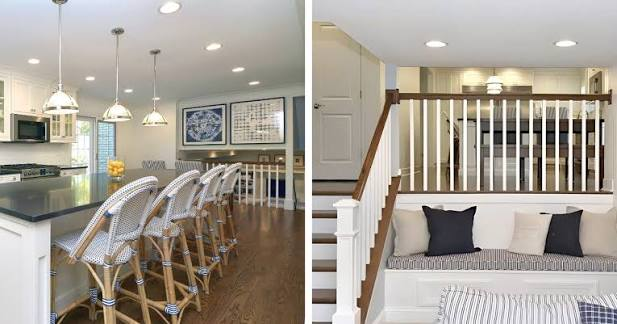
Not every room returns what you spend on it. Kitchens and bathrooms influence daily comfort and resale value more than any other spaces, so they deserve the largest share of a limited budget. A mid-range kitchen remodel typically costs $25,000 to $45,000 and earns back a solid share at resale; an ultra-luxury kitchen at twice the price rarely does. The smart move is a well-planned mid-range remodel: good cabinets, durable worktops, and reliable appliances.
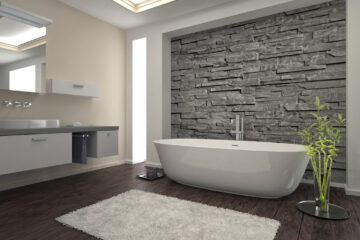
Bathrooms follow the same logic. Fix leaks, ventilation, and waterproofing first, then spend on tiles and fittings. If funds remain, look at the entrance and living area, where continuous flooring makes the home feel larger for a moderate cost. Bedrooms usually need the least: paint, lighting, and storage give a fresh result for a few hundred dollars per room. Spend where your family lives every day, not where guests visit twice a year.
Save on Materials and Labor Without Cutting Corners
The single biggest saving in most remodels is keeping the existing layout. Moving a sink, toilet, or stove means new plumbing and electrical runs, extra labor days, and new permits. Keeping fixtures where they are can save $1,500 to $5,000 in a bathroom and even more in a kitchen, while the room still looks completely new.
Next, mix your spending. Splurge on the items you touch daily — cabinet hinges and drawer runners, taps, door handles — and save on the ones you only look at. Stock cabinets with a good finish often cost 40 to 60 percent less than custom units and, once fitted and painted, are hard to tell apart. Luxury vinyl plank or quality laminate gives the look of hardwood at roughly a third of the installed price. Buy materials yourself only if your contractor agrees; trade discounts sometimes beat retail, and self-supplied materials usually carry no fitting warranty.
Do safe, simple work yourself: painting, removing old fittings, and clearing rooms beforehand can trim several hundred dollars. Leave plumbing, electrical, gas, and structural work to licensed professionals — fixing a failed DIY pipe joint costs far more than the original quote.
- Keep plumbing and sockets in place — layout changes are the fastest way to inflate labor costs.
- Choose stock and standard sizes — standard doors, windows, and cabinets avoid custom fabrication fees.
- Order everything before work starts — materials waiting on site prevent paid idle days.
- Salvage what is sound — solid doors, good timber, and working appliances can be reused or sold.
Choose Efficiency and Durability While the Walls Are Open
A remodel is the cheapest moment to improve how your home performs, because the walls and floors are already open. Adding insulation to an exposed wall costs a fraction of retrofitting it later. Sealing gaps around pipes, cables, and attic hatches stops the drafts that make heating and cooling work harder, and a well-sealed, well-insulated home can cut energy bills by 10 to 20 percent.
In kitchens and bathrooms, choose WaterSense-rated taps and dual-flush toilets, and fit a quiet, effective extractor fan — moisture left in the air is the main cause of mold, peeling paint, and rotting timber. Switch to LED lighting throughout, with dimmers where you relax.
For surfaces, durability beats fashion. Quartz worktops, porcelain tiles, and good-quality vinyl or engineered flooring shrug off scratches, stains, and spills for 15 years or more. Cheap worktops and thin laminate may save $800 today and need replacing in five years — the classic false economy. Before buying, ask what it will cost per year of service; that is the honest price.
Phase the Work If You Cannot Do It All at Once
You do not have to remodel the whole house in one exhausting project. Phasing spreads the cost over months or years — as long as each phase is planned in the right order. Always start with the structure and the systems: roof, wiring, plumbing, and heating. Finishes come last, because fresh paint and new floors are quickly ruined by later building work.
A sensible sequence looks like this:
- Phase one — the essentials: repairs, wiring, plumbing, insulation, and weatherproofing.
- Phase two — the hardworking rooms: kitchen and main bathroom, done one at a time so the home stays livable.
- Phase three — the finishes: flooring, painting, lighting, and the remaining bedrooms and living spaces.
When you phase the work, finish each phase completely before starting the next. Half-finished rooms drain money and motivation, and contractors charge more for returning in small pieces. Tell your contractor about later phases now — one extra cable or pipe run while walls are open costs very little.
Avoid the Mistakes That Quietly Double a Budget
Most budget disasters are predictable, which means they are avoidable. The most common is starting work without a fixed design and then changing your mind mid-project. Every change order adds labor, delays other trades, and sometimes means undoing finished work. A tap moved after tiling can cost ten times what the same decision cost on paper.
- Skipping permits — unpermitted work can be fined, torn out, or block a future sale.
- Hiring on the lowest bid alone — an unrealistically cheap quote usually means corners cut or extras added later.
- Paying too much upfront — pay in stages linked to completed work, and keep the final payment until all snags are fixed.
- Ignoring the boring problems — new cabinets over a leaking pipe or damp wall simply hide an expensive repair for a few months.
- Buying on impulse — a bargain appliance that does not fit the space is not a bargain.
Get the agreement in writing: scope, materials, timeline, payment stages, and how changes will be priced. A clear contract protects both you and a good contractor.
Protect the Investment: Maintenance and Resale Value
A remodel keeps its value only if it is looked after. Build a simple maintenance calendar from the day the work finishes: reseal bathroom grout and worktop joints once a year, clean extractor filters every few months, service the heating system annually, and touch up exterior paint before it peels. Small jobs done on time prevent the leaks and damp that undo expensive work.
Keep a remodel file with contracts, warranties, paint colors, tile and flooring product names, and before-and-after photos. This file reassures buyers, speeds up future repairs, and proves the work was done properly.
For resale, favor choices with broad appeal: neutral wall colors, classic cabinet styles, and fittings that match the rest of the home. Highly personal colors and extreme luxury fittings in a modest street rarely return their cost. The upgrades buyers value most are the same ones you enjoy daily — a kitchen that works, a bathroom that does not leak, and efficient heating. Remodel for your life first, keep the look timeless, and resale value largely takes care of itself.
Final Thoughts
Reducing remodeling costs is not about finding the cheapest of everything. It is about deciding early, spending on the rooms and systems that matter most, keeping layouts where possible, and choosing materials that last. Add a real contingency, phase the work if you need to, and maintain what you have built. Planned this way, a remodel costs less today and every year after, and leaves you a home that works better, not just one that looks newer.
Frequently Asked Questions
How much contingency should I add to a remodeling budget?
Add 15 to 20 percent of the project cost. Older homes and projects opening walls or floors need the higher end, because hidden problems such as rot, old wiring, or poor plumbing are common.
Which room should I remodel first on a limited budget?
Start with the room that has active problems — a leaking bathroom or an unsafe kitchen — then the kitchen or main bathroom, since these affect daily life and resale value most. Cosmetic rooms can wait.
Is it cheaper to keep my kitchen layout the same?
Yes, usually by a wide margin. Keeping the sink, stove, and fridge in place avoids new plumbing and electrical work and can save several thousand dollars, while still allowing new cabinets and worktops.
Which energy upgrades are worth doing during a remodel?
Insulation, air sealing, LED lighting, an efficient extractor fan, and water-saving taps give the best return because installation is cheapest while walls are open. They lower bills every month afterward.
Does remodeling always increase my home’s value?
Not automatically. Well-planned, mid-range work in kitchens and bathrooms usually holds value best, while over-personalized or overpriced upgrades for the neighborhood often return less than they cost. Quality, permits, and upkeep matter.