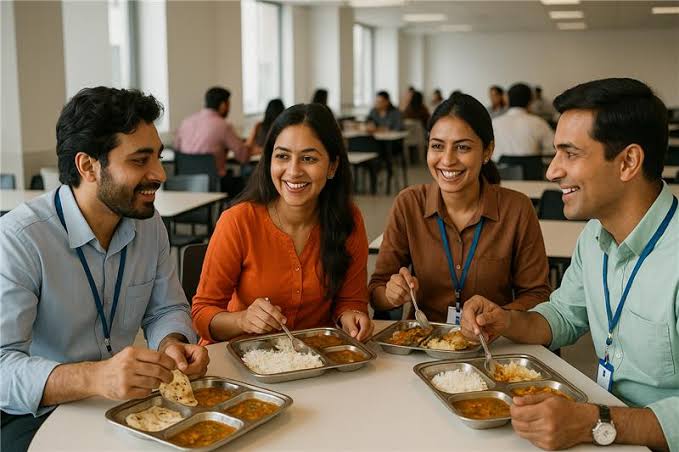
Team lunches build morale, celebrate milestones, and give coworkers a chance to connect outside daily tasks. Whether marking a birthday, a project completion, a safety milestone, or simply a Friday, a shared meal can strengthen a team. Choosing a nearby restaurant that handles groups well keeps the celebration enjoyable and on schedule.
Why team lunches matter
Teams that connect socially often communicate better at work. Shared meals help coworkers learn about each other’s lives, interests, and backgrounds. New employees feel welcomed, and remote or hybrid team members get valuable in-person time.
Planning ahead
Decide the date, time, group size, and budget. Check whether the company covers the meal or employees pay individually. Communicate details clearly to avoid confusion.
Choose a nearby restaurant
Proximity saves time, especially for teams with limited lunch breaks. Restaurants within a short drive of the workplace make it easier to get there and back on schedule. In business-heavy areas like Santa Fe Springs, many restaurants are used to serving workplace groups.
Call ahead
Contact the restaurant several days in advance for groups of six or more. Ask about seating arrangements, wait times, set menus, and payment options. Some restaurants can reserve a section or push tables together.
Menus that work for everyone
Teams include people with different tastes and dietary needs. Restaurants with broad menus covering breakfast, lunch, salads, burgers, and regional favorites make it easy for everyone to order. Ask team members about dietary restrictions ahead of time.
Speed matters
Lunch breaks are limited. Choose restaurants known for efficient service, or pre-order for the group. Some restaurants offer family-style platters or set menus to speed things up.
Handling the bill
If the company is paying, arrange a single bill. If employees pay individually, check whether the restaurant can provide separate checks for large groups. Payment apps help settle up quickly.
Celebrations
For birthdays, bring a card or small cake if the restaurant allows. Many restaurants offer a free dessert or birthday song. For retirements, promotions, or work anniversaries, a few words of recognition make the moment meaningful.
Including everyone
Make sure shift workers, part-time staff, and remote employees are included when possible. Rotating lunch times or holding celebrations at different times helps.
Catering as an option
When it is difficult to leave the workplace, catering from a local restaurant brings the meal to the team. Many restaurants offer catering trays of breakfast burritos, sandwiches, salads, or entrees.
Budget-friendly team meals
Lunch specials, breakfast meetings, and combo meals keep costs manageable. Breakfast celebrations are often more affordable than lunch.
Local favorites
Teams often develop a favorite restaurant for celebrations. Asking coworkers which spots they consider among the best restaurants near work leads to places that handle groups well and offer good value.
Seasonal celebrations
Holiday lunches, summer team outings, and end-of-quarter meals become annual traditions. Booking early during the holiday season is important because restaurants fill quickly.
Gathering feedback
After a team lunch, ask what people enjoyed and what could be better next time. A short poll on preferred restaurants, times, and formats helps plan future events. Teams that feel heard are more likely to show up and enjoy the next gathering.
Recognizing quieter team members
Group lunches can favor outgoing personalities. Organizers can make sure quieter coworkers are included by mixing up seating, asking open questions, or giving a brief shout-out to contributions that might otherwise go unnoticed. Small gestures help everyone feel part of the team.
Logistics for shift-based teams
Industrial and warehouse teams often work staggered shifts, which makes a single lunch hour difficult. Some managers hold two smaller celebrations so every shift is included, or schedule a breakfast for the overnight crew as they finish and a lunch for the day crew. Ordering food to the break room with a rolling pickup time is another way to include everyone without stopping production.
Keeping it voluntary
Team lunches should feel like a perk, not an obligation. Making attendance optional, avoiding lunches during personal time without compensation, and respecting dietary or religious practices helps everyone enjoy the event. A relaxed, inclusive approach encourages more people to join.
Sending invitations
A calendar invite with the restaurant name, address, time, and payment plan answers most questions in advance. Include a note about dietary needs so the organizer can plan.
Thank the restaurant
A thank-you to staff and a fair tip make your team welcome next time.
Building team culture
Regular team lunches, even simple ones, build connection and appreciation. A shared meal is a small investment in a stronger, happier team.