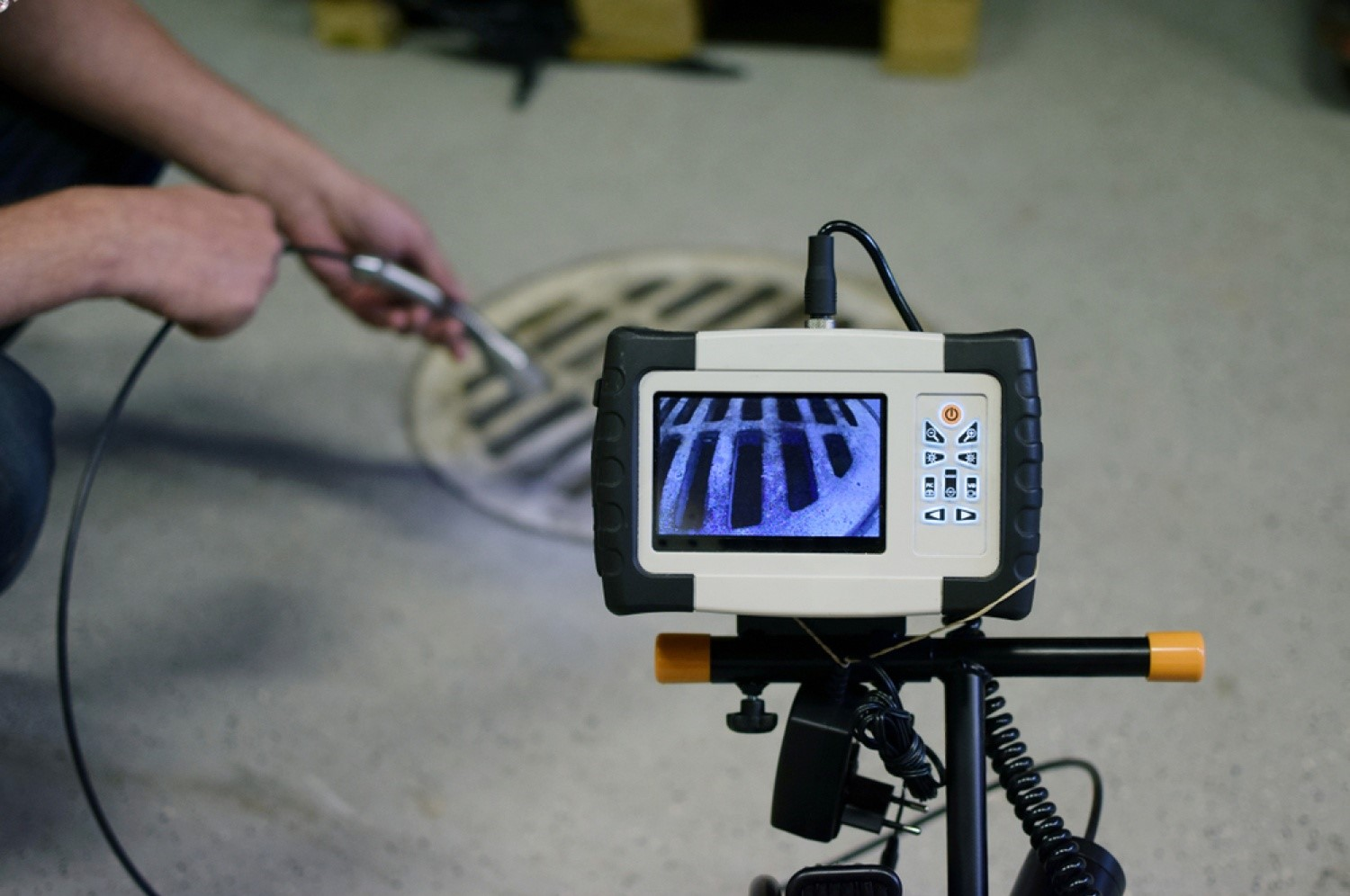
Different camera heads are used to ensure that a pipe inspection is done swiftly. They offer in-depth views of the interior of a Pipeline . Therefore, the present condition is judged easily, and the needed modifications are understood.
Pipe inspection cannot be done without using cameras. Choosing an effective camera head helps ensure an effective inspection of a pipeline.
Different camera heads are available on the market. You need to choose the camera head that suits your inspection objective, budget, and other considerations.
Selecting the Right Camera Head: Things to Keep in Mind
Do you want a comprehensive view of a pipeline? You must work on selecting the best possible camera head. This component must be flexible, durable, and effective.
In pipe inspections, camera head choice is vital because it makes the overall process effective. A pipeline inspection process might need a sewer camera head or an 18mm inspection camera head. Well, you need to rely on different features while choosing the best possible one.
Flexibility and Size
A high level of flexibility ensures convenient bending and turning inside a pipeline. This helps to capture detailed images.
A camera head must align with the pipe’s diameter. Bigger pipes require tilt or pan cameras, whereas micro or mini camera heads are suitable for the smaller ones.
Durability and Waterproofing
Suppose you are using a sewer camera head; then it must be highly durable. This helps to combat wet and corrosive environments.
Cameras used in the pipe inspections must be resistant to water and other liquids to ensure proper working. Go for IP-rated camera heads (IP68+) to combat water, debris, and other aspects in a better way.
Lighting
Camera heads with bright LEDs ensure an effective illumination of the dark interior of a pipe. This can help you to gain a good level of clarity of the interior side of a pipeline.
What Are the Different Types of Camera Heads and Why Are They Used?
To perform pipeline inspection work smoothly, you must choose an effective camera head. If you use an 18 mm inspection camera head for any work, you must be well aware of its usage. Here are 4 of the most common camera heads mentioned, along with what purpose they serve.
1. Fixed Camera Heads
These are simple cameras and are not so costly. These are used by plumbers and small contractors. This is a suitable option while inspecting a straight pipeline.
2. Pan and Tilt Camera Heads
Do you want an effective evaluation of the inside wall? Rely on this option. These camera heads are used by municipalities to inspect sewer passages. Do you want a 360° view? Well, this is an effective option for that.
3. Self-leveling Camera Heads
This type of camera can provide you upright image of a Utility Pipe Supply consistently. The angle or position of the camera head is not a consideration in this case. This has a wide usage in the construction industry for inspecting underground infrastructures.
4. Zoom Camera Heads
Professionals often need to inspect a long pipeline interior. Use this camera head to ensure an in-depth examination. Such camera heads are used to inspect a drain after any natural calamity, like a storm.
Suggested Camera Heads in 2025
Cameras have gone through successive developments over the years. Whether you choose a sewer camera head or an 18mm inspection camera head, selecting the best possible variant is important.
1. RIDGID TruSense® Cameras
Such cameras possess advanced sensors that help to gain top-quality HD pictures. The digital self-leveling feature provides in-depth information about the internal side of a pipeline.
2. IPEK Rovion RX130
This type of camera head provides quality videos and images. The back-eye camera feature also helps in an effective inspection of pipes.
3. Envirosight Verisight Pro+
This variant helps to inspect drains and laterals while prioritising self-leveling. Detailed reports are obtained to ensure on-site delivery immediately.
What are the Key Inspection Standards for Camera Heads?
Different industries need particular camera specifications that are to be prioritized. In the USA, pipeline inspection is done by camera heads with a wide-view lens (70° and above), waterproofing capability (IP67 or IP68), and high-resolution sensors (1080P or more).
What Might Happen if Your Camera Head Choice is Poor?
You will be prevented from getting a proper inspection of your pipeline if you use an ineffective camera. You might get poor images that make the inspection process ineffective.
You will miss some existing cracks if you use a poor camera. This will enable making more reworks.
In summary
Selecting the right camera head ensures pipe inspection with greater accuracy, quality, and precision. Camera heads must be durable and water-resistant so that they can be applied to the pipeline interiors easily. Often, industries differ in camera detail.
Finding the Best Camera
Pipeline inspection gets easier when the right camera type is chosen. Are you confused about which camera head suits your pipe inspection? We are here to help you.