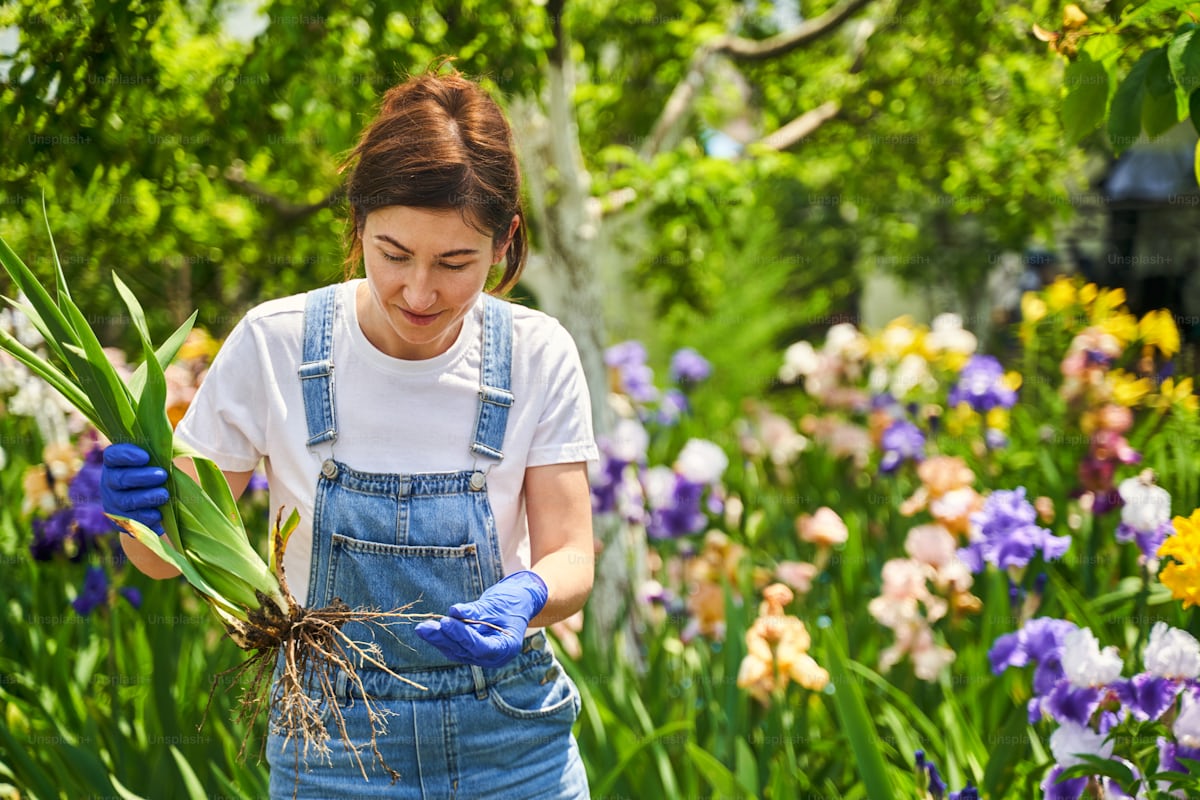
Starting a garden is one of those simple joys that can quickly turn into a lifelong habit. Whether you’re tending a tiny balcony of herbs or managing a full backyard veggie patch, one thing becomes clear pretty fast: healthy soil creates healthy plants. And that’s where organic fertilisers come in.
But with so many options available—from composted manure to seaweed blends to slow-release pellets—how do you actually choose the right one? If you’re new to gardening, the variety can feel overwhelming. Fortunately, once you understand the basics of plant nutrition and soil health, choosing the right product becomes much easier.
This beginner-friendly guide breaks everything down simply, with practical examples, everyday analogies, and tips you can use right away.
Why Organic Matters for Your Soil and Plants
Organic fertilizers are made from natural materials, including compost, plant matter, minerals, and manure. Unlike synthetic fertilisers, which release nutrients quickly and sometimes harshly, organic products work with the soil rather than forcing it into shape. Think of them as slow, steady helpers that improve soil structure, encourage microbes, and deliver nutrition gradually.
A helpful analogy is comparing whole foods and processed foods. A quick energy drink may give you a burst of energy, but a balanced meal keeps you fuller for longer and supports your overall health. Synthetic fertilisers can provide quick results, but organic fertilisers help build long-term soil health in a natural, nourishing way.
Many industries rely on this same principle. Farmers use organic inputs to improve future harvest quality. Landscaping companies choose natural soil conditioners for long-term sustainability. Even golf courses, which require consistently healthy turf, often incorporate organic materials to maintain soil structure over time.
When you focus on organic materials in your garden, you’re building a system that becomes richer and more resilient each year.
Understanding What Your Plants Actually Need
Before you buy anything, it’s worth taking a moment to understand the basic nutrients plants need:
- Nitrogen (N): Helps plants grow strong leaves and stems. Leafy veggies like lettuce and spinach love this.
- Phosphorus (P): Supports root development and flowering. Essential for fruiting plants.
- Potassium (K): Strengthens overall plant health, improves disease resistance, and assists in fruit quality.
You’ll often see these listed as “NPK” on the packaging. Organic fertilisers don’t always have exact NPK numbers like synthetic ones, but they still deliver these nutrients steadily.
There are also important micronutrients—like calcium, magnesium, and iron—that help plants function properly. A deficiency in any one of these can slow growth or cause leaf discoloration, which is why balanced fertilisers and mineral-rich organic blends can make a visible difference.
If you’re unsure what your soil lacks, you don’t always need complicated testing kits. Many gardeners simply observe their plants. For example:
- Yellowing leaves may indicate nitrogen deficiency.
- Poor flowering can signal low phosphorus.
- Curling or browning edges may indicate that potassium levels are inadequate.
Once you start noticing patterns, picking the right fertiliser feels much more intuitive.
Different Types of Organic Fertilisers and When to Use Them
Here’s a simple breakdown of the most common types you’ll encounter and why each one is useful.
1. Compost
This is the foundation for many gardens. Compost adds organic matter, improves soil texture, and supports beneficial microorganisms. It’s great for nearly every plant, from vegetables to ornamentals. If you’re going to add only one thing to your soil, compost is usually the safest choice.
2. Animal Manures
Well-composted cow, chicken, or sheep manure is rich in nutrients and great for improving soil fertility. It’s especially useful for heavy feeders, such as tomatoes, pumpkins, and brassicas. Just make sure it’s properly aged; fresh manure can burn plants.
3. Seaweed Fertilisers
These are excellent for trace minerals and general plant health. Seaweed is like a multivitamin for plants, helping to reduce stress. Gardeners often use liquid seaweed after transplanting to help seedlings get established.
4. Blood and Bone / Bone Meal
These high-phosphate fertilisers support strong root development and flowering. If your roses, fruit trees, or flowering shrubs seem sluggish, bone-based products can help.
5. Rock Minerals
Crushed rock dusts provide long-lasting micronutrients. They don’t feed plants directly but enrich the soil over time, especially in depleted or sandy areas.
6. Organic Pellets and Blends
These are convenient, easy to apply, and great for beginners. Pellets release nutrients slowly and provide a balanced approach without the risk of overfeeding. They’re ideal for busy gardeners who want reliable results with minimal effort.
Each type of fertiliser has a specific purpose, so mixing and matching based on your garden’s needs can deliver the best results.
How to Choose the Right Fertiliser for Your Space
Selecting the right product becomes easier once you consider a few factors:
1. What You’re Growing
- Growing leafy greens? Choose nitrogen-rich options.
- Planting fruit trees? You need more phosphorus and potassium.
- Keeping a flower garden? Balanced pellets or bone meal work beautifully.
2. Your Soil Type
Sandy soils lose nutrients quickly, so using slow-release organic pellets or compost can be helpful. Clay soils retain nutrients but may require organic matter to enhance drainage. If you’re working with raised beds using a soil mix, balanced fertilisers are usually enough.
3. How Much Time Can You Spend on Maintenance
If you prefer a low-maintenance approach, choose long-lasting pelletised fertilisers. They’re easy and forgiving. More hands-on gardeners might enjoy mixing composts, liquids, and minerals to fine-tune results.
4. Long-Term Soil Health
Organic fertilisers shine when it comes to improving soil structure. Adding materials like compost, seaweed, or rock dust doesn’t just feed plants—it rejuvenates your soil for future seasons.
This idea aligns with principles used in regenerative agriculture, where enhancing soil health fosters more sustainable growth. (Authority link example: soil health )
Adding Organic Fertilisers to Your Garden (Anchor Placement Here)
Once you’ve assessed your soil and chosen the right blend, it’s time to feed your garden. One easy place to start is browsing a trusted range of organic garden fertilisers that offer natural nutrients without overwhelming beginners.
When applying your fertiliser, remember:
- Follow recommended amounts, especially for concentrated products.
- Apply compost generously at the start of each growing season.
- Use liquid fertilisers every few weeks for fast-growing plants.
- Water after applying pellets or powders to help nutrients absorb.
Most importantly, be patient. Organic fertilisers work gradually, building strength in your plants and resilience in your soil.
Final Thoughts: Start Simple, Learn as You Go
Choosing the best organic fertiliser doesn’t have to be complicated. Begin with a general-purpose organic blend or compost, then refine your approach as you become familiar with your soil and the specific needs of your plants.
Gardening is a journey—one that evolves with every season, every mistake, and every new discovery. With the right organic fertilisers supporting your soil, you’ll be well on your way to a thriving, vibrant garden that grows healthier year after year.