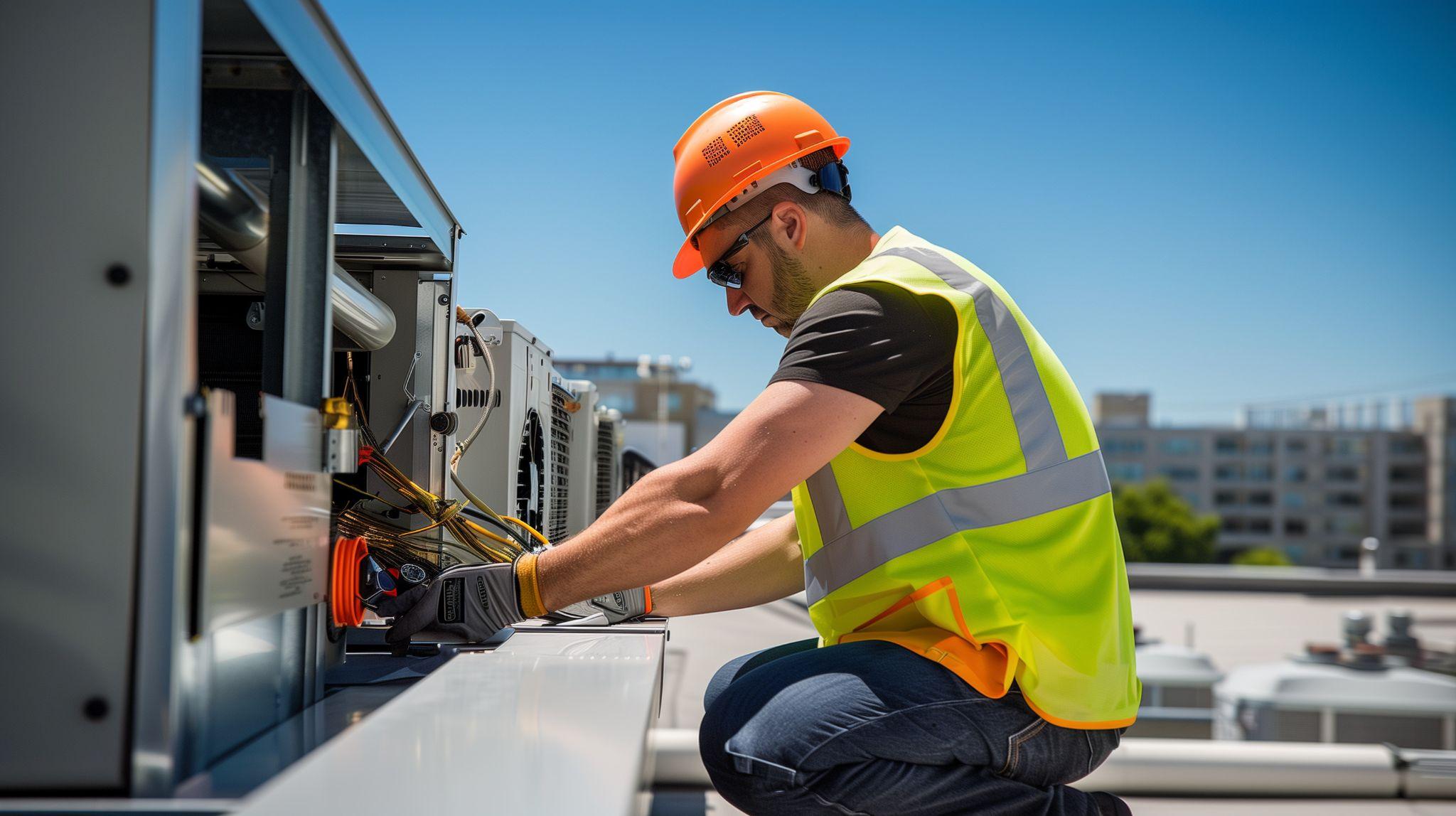
For commercial properties, an HVAC system is not just a convenience—it’s a critical component for maintaining comfort, indoor air quality, and operational efficiency. Whether installing a new system or maintaining an existing one, following best practices ensures reliability, energy efficiency, and longevity. Implementing HVAC preventative maintenance and professional commercial HVAC preventative maintenance programs is essential for maximizing the return on your investment.
Importance of Proper Commercial HVAC Installation
Correct installation lays the foundation for an efficient, reliable HVAC system. Poor installation can lead to frequent breakdowns, high energy costs, and reduced equipment lifespan.
Key installation best practices include:
1. Right-Sized Equipment
Choose HVAC equipment that matches your building’s size, layout, and cooling/heating load. Oversized or undersized units waste energy and reduce comfort.
2. Professional Design and Planning
Engage experienced HVAC professionals to assess building requirements, airflow, and duct layout. Proper planning ensures optimal performance and avoids costly modifications later.
3. High-Quality Components
Use quality components, including compressors, coils, thermostats, and ductwork. High-quality parts improve system efficiency and longevity.
4. Compliance with Codes and Standards
Ensure installation follows local building codes, safety standards, and manufacturer guidelines. This ensures safety and keeps warranties valid.
5. Proper Ductwork Design
Correctly designed ducts promote even airflow, reduce energy losses, and improve indoor air quality. Avoid sharp bends or long, uninsulated runs that reduce efficiency.
Best Practices for Commercial HVAC Maintenance
Proper maintenance keeps commercial HVAC systems running efficiently and prevents unexpected breakdowns. Adopting a commercial HVAC preventative maintenance program is key to long-term system performance.
1. Regular Inspection
Inspect key components such as compressors, fans, coils, and filters regularly. Early detection of issues reduces repair costs and prevents downtime.
2. Filter Replacement
Clean or replace air filters according to manufacturer guidelines. Dirty filters reduce airflow, strain the system, and compromise indoor air quality.
3. Coil and Condenser Cleaning
Clean evaporator and condenser coils to maintain heat exchange efficiency and reduce energy consumption.
4. Refrigerant Level Checks
Ensure refrigerant levels are correct to avoid system inefficiencies or failures.
5. Electrical System Inspection
Check wiring, fuses, and connections to prevent electrical hazards and system malfunctions.
6. Thermostat Calibration
Ensure thermostats are accurate and properly programmed to optimize energy usage.
7. Lubrication of Moving Parts
Motors, fans, and belts should be lubricated to reduce wear and prolong system life.
8. Professional Seasonal Service
Schedule professional inspections before peak heating or cooling seasons. A licensed technician can detect hidden problems and perform advanced maintenance tasks.
Benefits of HVAC Preventative Maintenance
Investing in HVAC preventative maintenance offers numerous advantages:
- Improved Energy Efficiency – Clean and well-maintained systems consume less energy.
- Reduced Repair Costs – Early detection prevents expensive emergency repairs.
- Extended Equipment Life – Regular upkeep prolongs the lifespan of HVAC components.
- Enhanced Comfort – Properly functioning systems maintain consistent indoor temperatures.
- Better Indoor Air Quality – Clean filters and ducts reduce allergens and contaminants.
Tips for an Effective Commercial HVAC Program
- Develop a Maintenance Schedule – Include monthly, quarterly, and annual tasks.
- Document All Maintenance Activities – Keep records for warranties, audits, and performance tracking.
- Partner with Experts – Use professional HVAC services for installation and routine maintenance.
- Monitor System Performance – Track energy usage, airflow, and temperature consistency.
- Invest in Preventative Maintenance Contracts – Ensure ongoing service and inspections for optimal system performance.
Final Thoughts
Proper installation and regular maintenance are essential for commercial HVAC systems to operate efficiently and reliably. By following best practices for HVAC preventative maintenance and implementing a professional commercial HVAC preventative maintenance program, businesses can reduce energy costs, avoid unexpected breakdowns, and provide a comfortable, safe environment for occupants.
Proactive care ensures your HVAC system delivers peak performance year-round, protecting both your investment and the people who rely on it.
Keep an eye for more latest news & updates on Tribune!