Introduction
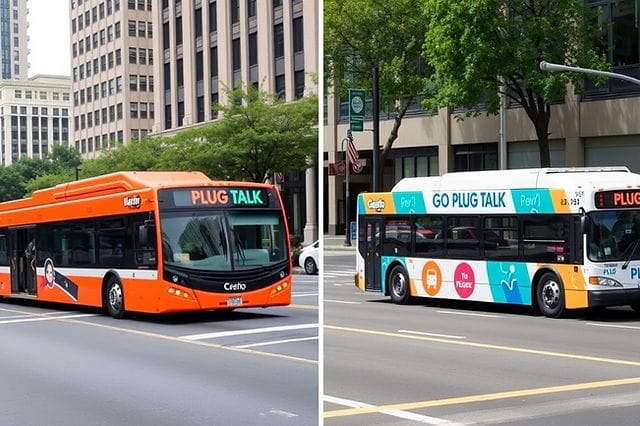
You don’t have to be a marketing expert to notice how often buses catch your eye during a normal day. Whether it’s a bright wrap or a simple rear panel, bus advertising finds a way to stay in front of people without trying too hard. Even with all the digital noise out there, transit ads continue to hold their ground in local marketing.
Why Bus Ads Still Matter Today
People see buses everywhere—on their commute, near schools, outside shopping centers, and at traffic lights. That repeated exposure naturally makes the message stick.
Transit Ads vs. Other Local Advertising
Compared to digital ads (which you can swipe past), bus ads sit in the real world, where they’re impossible to “skip.”
The Different Styles of Bus Advertising
Full Bus Wraps
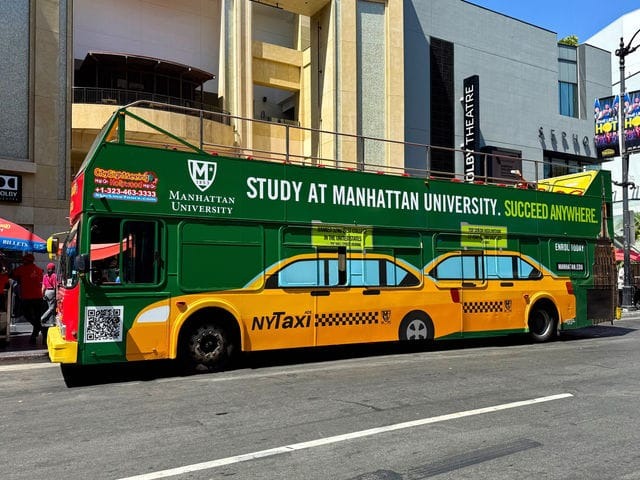
A full wrap covers nearly every visible side of the bus. If you want something bold and unforgettable, this is it.
Side Panel Ads
These long horizontal ads run along the bus’s sides. They’re a clean and practical choice for most businesses.
Back-of-Bus Ads
Drivers stuck behind a bus in traffic end up reading whatever’s on the back of it. That alone makes these ads valuable.
Inside Bus Posters
Interior card ads speak directly to riders who often spend several minutes looking around during their trip.
Digital Transit Screens
Some fleets now offer rotating digital displays, allowing animations and timed messages.
Why Transit Advertising Works So Well
Daily Local Exposure
A bus passing through town every day gets eyes on your brand without interruption.
Reliable Neighborhood Reach
Buses follow the same routes consistently, making them perfect for reaching specific neighborhoods or districts.
Affordable for Most Budgets
Compared to billboards and TV spots, transit ads provide a strong return for the price.
Good for Brand Awareness
Even if people don’t act right away, seeing the ad regularly builds familiarity.
How a Bus Advertising Campaign Comes Together
Creating the Look
The best bus ads are simple, bold, and easy to read. A few words go further than a crowded paragraph.
Picking Routes That Match Your Audience
Want to reach students? Target school routes. Promoting a restaurant? Choose buses that pass busy food areas.
Printing and Installing the Ads
Once approved, the graphics are printed on durable material and installed by a professional team.
Businesses That Benefit Most from Bus Ads
Retail and Local Shops
Stores use bus ads to push promotions, sales, or new product launches.
Restaurants and Coffee Spots
Food businesses love transit ads because they reach hungry commuters at the right moments.
Schools and Training Centers
Bus ads help education providers reach parents and young adults across town.
Real Estate and Rentals
Developers advertise new housing communities or apartments available for lease.
Healthcare and Medical Services
Clinics use these ads to promote checkups, new departments, or seasonal health campaigns.
What Makes a Strong Transit Ad
Simple, Direct Text
People only have a second or two to read your message.
Clean and Noticeable Design
Bright colors, strong contrasts, and easy-to-read fonts work best.
An Easy CTA
Something like “Call Now,” “Visit Today,” or “Scan to Learn More” gives direction.
Consistent Branding
Logos, colors, and tone should match the rest of your marketing so viewers remember you.
Understanding the Cost
What Determines Pricing
Costs vary depending on the city, bus size, ad type, and total campaign length.
Wraps vs. Panels
Wraps cost more upfront but deliver a huge impact. Panel ads are budget-friendly and flexible.
Route Popularity and Time Length
More traffic and longer runs mean higher visibility—and higher pricing.
Things to Keep in Mind
Weather and Wear
Sun, rain, and road conditions can slowly affect how the ad looks over time.
Route Limitations
You might not get every route you want due to availability or scheduling.
City Rules and Guidelines
Some places limit certain kinds of ads or require specific approval steps.
Tracking the Results
Estimated Views
Transit agencies often estimate impressions based on route traffic and time of day.
QR Codes and Short Links
These help measure actual engagement from people who pass by.
Asking Customers How They Found You
A simple question at checkout or in a survey can reveal how effective the ad really is.
Where Transit Ads Are Heading
More Digital Displays
Expect more screens, animations, and time-based content in the coming years.
Greener, More Sustainable Materials
Eco-friendly wraps and electric buses are shaping the future of outdoor advertising.
Conclusion
Transit advertising has been around for decades, and it’s not slowing down anytime soon. With steady exposure, strong neighborhood reach, and a price tag that fits a wide range of budgets, bus ads remain one of the most dependable tools in local marketing. Whether you’re introducing a new brand or trying to stay visible in a crowded market, a well-placed bus ad can keep your message moving across the city all day long.
FAQs
1. Are bus ads effective for local businesses?
Yes. They’re one of the best ways to reach customers in specific neighborhoods.
2. How long should my bus ad run?
Most brands run campaigns for 1–3 months for solid visibility.
3. Are bus wraps worth the higher cost?
If your goal is maximum attention, absolutely.
4. Can I track how well my ad performs?
Yes—you can use QR codes, website tracking links, or customer surveys.
5. Which bus ad type is most affordable?
Side panels and interior posters are budget-friendly and still deliver great reach.
Keep an eye for more latest news & updates on Tribune!