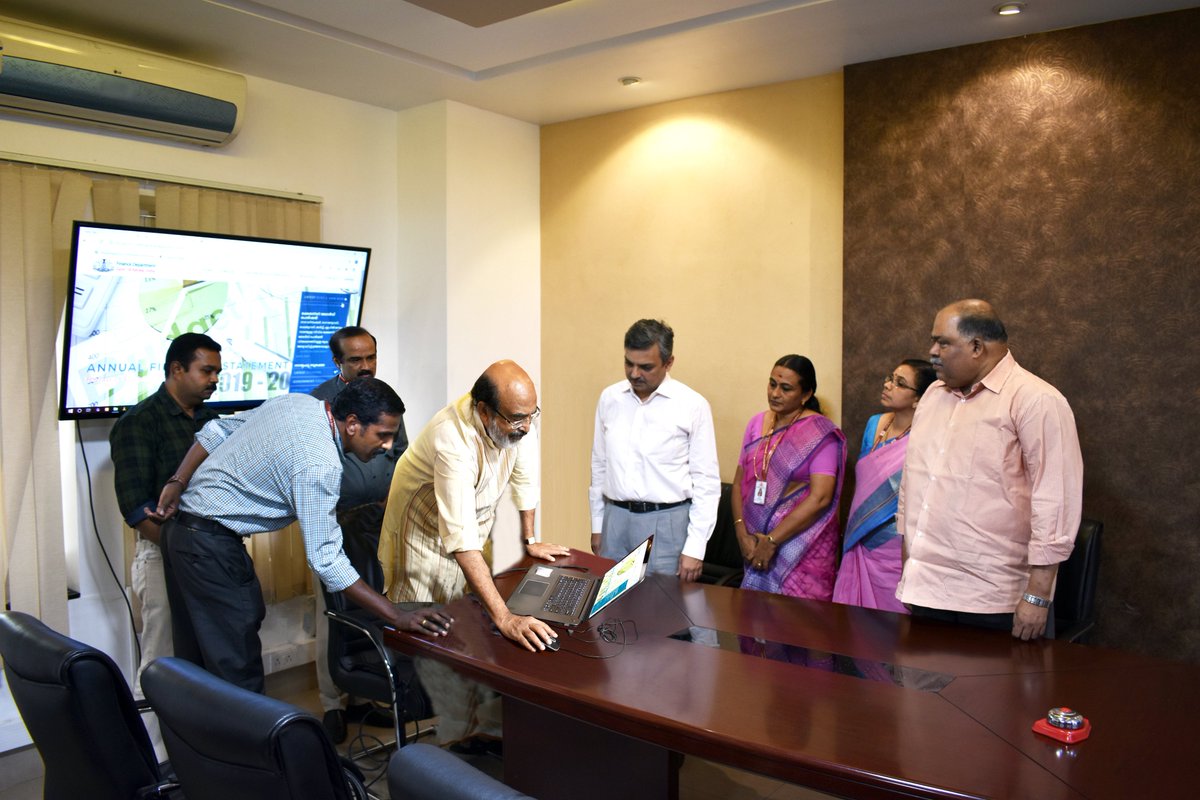
When we talk about transparency, accountability, and quality in large engineering or construction projects, one important role that often works behind the scenes is the Chief Technical Examiner (CTE). This position plays a crucial role in monitoring technical works, identifying irregularities, and ensuring that public funds and resources are used properly.
A Chief Technical Examiner is generally a highly experienced technical professional, usually from engineering backgrounds such as civil, mechanical, or electrical engineering. Their main responsibility is to examine, audit, and evaluate technical projects—especially government infrastructure projects—to make sure everything follows proper standards, regulations, and specifications.
In many countries, especially within government vigilance or anti-corruption departments, the Chief Technical Examiner acts as a watchdog for technical works. Their work ensures that bridges, roads, buildings, and other infrastructure projects are not only completed but also built correctly, safely, and without misuse of funds.
In this article, we will explore the role of a Chief Technical Examiner, what they do, their responsibilities, qualifications, and why their work is essential in maintaining quality and transparency in public works.
Information About Chief Technical Examiner
Before diving deeper, it helps to understand some quick facts about this role. A Chief Technical Examiner is typically a senior-level technical officer who works within government oversight organizations, audit bodies, or vigilance departments. Their primary function is to review technical aspects of projects and identify issues such as poor workmanship, overpricing, non-compliance with standards, or misuse of resources.
Most Chief Technical Examiners come from engineering backgrounds with decades of experience in project management, construction, or infrastructure development. Because of their expertise, they are able to analyze complex technical documents, project reports, and construction methods.
They are not just inspectors; they are also advisors. Their reports often guide policy improvements, strengthen technical systems, and help authorities take corrective actions when irregularities are found.
Understanding the Role of a Chief Technical Examiner
To understand the role of a Chief Technical Examiner, we need to look at how technical audits work in large projects. Governments invest massive amounts of money into infrastructure development such as highways, public buildings, irrigation systems, and urban development. These projects involve detailed planning, engineering designs, procurement processes, and construction stages.
Without strong technical oversight, there is always a risk of cost overruns, substandard construction, or even corruption. This is where the Chief Technical Examiner becomes important.
The Chief Technical Examiner reviews projects independently and objectively. Their job is to examine whether the design, planning, and execution of a project match approved standards and guidelines. They look at the entire lifecycle of a project, including planning, tendering, contracting, and actual construction work.
By carefully reviewing documents and conducting site inspections, they identify technical flaws, deviations from specifications, and financial irregularities linked to technical decisions.
Core Responsibilities of a Chief Technical Examiner
A Chief Technical Examiner performs a wide range of responsibilities related to technical oversight and evaluation. Their duties involve both field inspections and analytical review of project documentation.
One of their main responsibilities is technical auditing of projects. This means examining engineering designs, material specifications, cost estimates, and construction processes to ensure everything follows approved standards.
They also conduct site inspections. During these inspections, they physically examine construction works such as roads, bridges, government buildings, and infrastructure systems. They check whether materials, workmanship, and construction practices match the approved designs.
Another major responsibility is investigating complaints related to technical works. Sometimes complaints are received regarding poor construction, delays, or irregularities in project execution. The Chief Technical Examiner investigates these issues and prepares detailed technical reports.
They are also responsible for reviewing tender and contract processes. Technical examiners often examine whether the procurement process for construction projects was conducted fairly and according to regulations. This includes checking estimates, bid evaluations, and contractor selections.
In addition to identifying problems, they also recommend improvements. Their reports usually contain suggestions to improve project management systems, engineering practices, and procurement methods.
Technical Audits and Inspections
Technical audits are one of the most important functions performed by a Chief Technical Examiner. These audits involve a systematic evaluation of engineering works and construction projects.
During a technical audit, we analyze project files, design documents, contract agreements, and cost estimates. The aim is to verify whether the project was planned and executed according to technical standards and financial guidelines.
Field inspections are also a major part of technical audits. When visiting project sites, the Chief Technical Examiner evaluates several factors such as structural stability, quality of materials, construction techniques, and safety standards.
For example, if a road project claims to use a certain thickness of asphalt, the examiner may conduct tests to verify whether the construction actually meets those specifications. If discrepancies are found, they are documented and reported to the relevant authorities.
These audits help detect issues such as inflated costs, poor-quality materials, or design flaws before they become major problems.
Importance in Government Projects
Government infrastructure projects involve public funds, which means there must be strict accountability and transparency. The Chief Technical Examiner plays a vital role in ensuring these principles are followed.
When technical experts independently review projects, it reduces the chances of corruption or misuse of funds. Contractors and project managers know that their work may be inspected and audited, which encourages better compliance with standards.
Another important benefit is quality assurance. Infrastructure projects like bridges, dams, and public buildings must be safe and durable. If technical faults are ignored during construction, they may lead to serious failures in the future.
By examining projects during and after construction, Chief Technical Examiners help ensure that infrastructure is built properly and can serve the public for many years.
Skills Required to Become a Chief Technical Examiner
The role of a Chief Technical Examiner requires a combination of technical knowledge, analytical thinking, and professional integrity.
First and most importantly, strong engineering expertise is essential. Since most projects involve construction or infrastructure development, knowledge of civil engineering, structural design, and construction management is extremely valuable.
Another important skill is analytical ability. Technical examiners must be able to review complex engineering documents, cost estimates, and project reports. They need to detect small irregularities that could indicate larger problems.
Attention to detail is also critical. In technical audits, even minor deviations from design specifications can have significant consequences. A good examiner carefully reviews every aspect of a project.
Communication skills are equally important. After conducting inspections and audits, the Chief Technical Examiner must prepare detailed reports that clearly explain their findings and recommendations.
Integrity and impartiality are also essential qualities. Since their work may expose irregularities or corruption, they must remain independent and unbiased in their assessments.
Qualifications and Career Path
Becoming a Chief Technical Examiner usually requires extensive experience in engineering or technical administration.
Most professionals who reach this position begin their careers as engineers in government departments, public sector organizations, or infrastructure agencies. Over time, they gain experience in project management, construction supervision, and technical evaluation.
Typically, candidates have a degree in engineering, often civil engineering, because many government infrastructure projects involve construction and structural design.
With years of experience, engineers may move into senior technical or inspection roles. After building strong expertise in technical evaluation and project management, they may be appointed or promoted to positions such as Chief Technical Examiner.
In many cases, this role is held by professionals with decades of experience, because it requires deep technical understanding and practical knowledge of engineering systems.
Challenges Faced by Chief Technical Examiners
Although the role is important, it also comes with several challenges.
One major challenge is dealing with complex projects. Modern infrastructure projects involve advanced engineering techniques, large budgets, and multiple contractors. Evaluating all technical aspects of such projects requires significant effort and expertise.
Another challenge is resistance from stakeholders. When technical examiners identify irregularities, contractors or officials involved in the project may not always welcome the findings. This can create pressure or conflict during investigations.
Time constraints can also be a challenge. Government projects often run on strict deadlines, and technical audits must be completed efficiently without compromising accuracy.
Despite these challenges, the work of a Chief Technical Examiner remains essential for maintaining quality and transparency in public infrastructure development.
Impact on Quality and Accountability
The presence of a strong technical examination system improves both quality and accountability in large projects.
When engineers and contractors know that their work may be audited, they are more likely to follow proper standards and guidelines. This creates a culture of responsibility within project teams.
Technical examiners also help authorities identify weaknesses in project management systems. For example, if several projects show similar issues in procurement or construction practices, policies can be improved to prevent those problems in the future.
Their reports often contribute to better planning, improved technical guidelines, and stronger oversight mechanisms.
Why the Role of Chief Technical Examiner Matters
Infrastructure development is one of the most important responsibilities of any government. Roads, bridges, hospitals, schools, and public buildings directly affect the lives of millions of people.
If these projects are poorly constructed or improperly managed, the consequences can be serious. Structural failures, wasted public funds, and unsafe buildings can create long-term problems for society.
This is why the role of the Chief Technical Examiner is so important. By independently reviewing technical works, they ensure that projects are built correctly, safely, and responsibly.
Their work helps protect public resources, improve engineering standards, and strengthen trust in government institutions.
Final Thoughts
The Chief Technical Examiner may not always be a highly visible position, but it plays a critical role in maintaining the integrity of technical projects. Through detailed audits, inspections, and evaluations, they ensure that engineering works meet the required standards and that public funds are used properly.
With their deep technical knowledge and commitment to accountability, Chief Technical Examiners act as guardians of quality in infrastructure development. Their reports and recommendations help identify problems early, improve project systems, and promote transparency in public works.
As infrastructure projects continue to grow in scale and complexity, the importance of strong technical oversight will only increase. The Chief Technical Examiner will remain an essential part of ensuring that development is not only ambitious but also responsible, safe, and built to last.
Explore the latest entertainment news and reviews at Tribune.