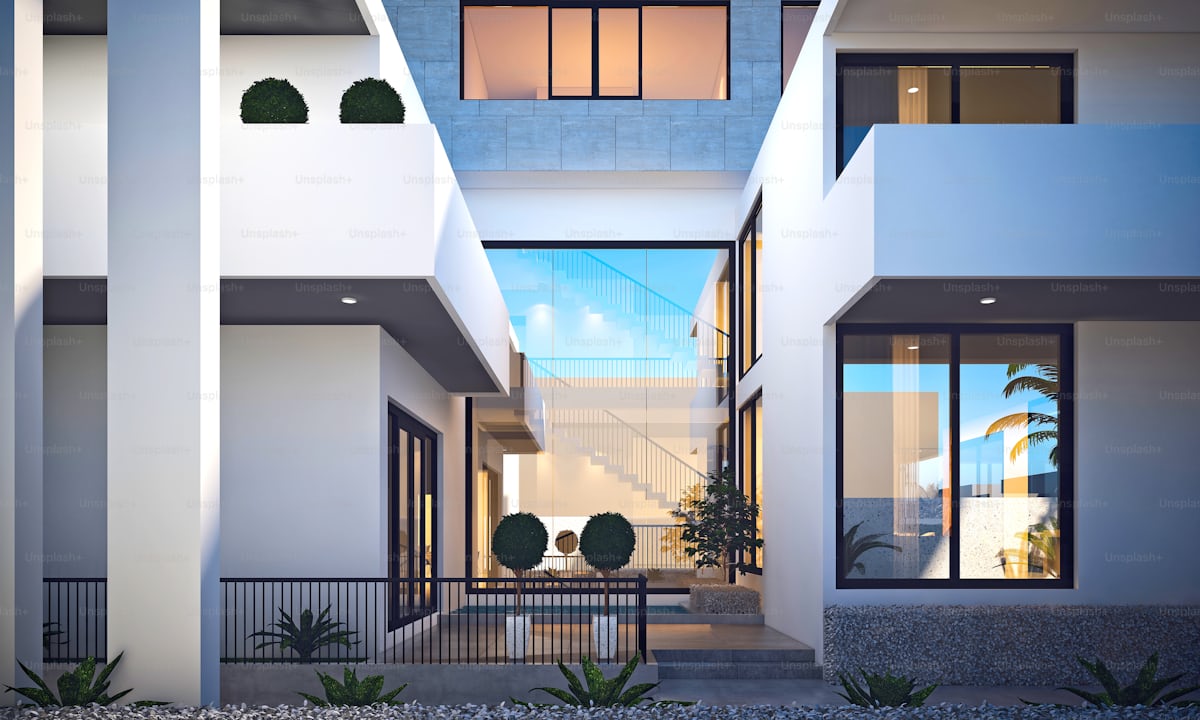
Building a narrow-lot architectural home is one of those exciting opportunities that combines creativity, lifestyle planning, and strategic thinking. It’s kind of like choosing the perfect page in a sketchbook—while the space might be small, the possibilities are endless. But before the design magic begins, everything starts with selecting the right lot. And believe it or not, this one decision can shape the entire direction of your future home.
Whether you’re dreaming about maximizing natural light, adding clever storage, or creating a spacious feel with minimal width, the first step is choosing the land that will make all of that possible. Let’s walk through the essential things to consider so you can feel confident when scouting for the perfect narrow block.
Why Lot Selection Matters More Than Most People Think
Most people fall in love with the house design first and the land second—but when building on a narrow lot, it works the other way around. The features of the land often dictate what kind of home you can create. It’s similar to designing a custom outfit: the fabric comes first, and the tailoring works around it.
A narrow-lot home thrives on smart planning. That means the land you choose impacts everything from floor layout to privacy to ventilation. For example:
- A steep block may require extra engineering work.
- A north-facing frontage can give you better natural light.
- A tight street setback might give you a larger backyard.
When you understand these details early, you set yourself up for fewer surprises down the road.
This is the same principle used in industries such as filmmaking and architecture. A director chooses a location based on lighting, angles, and constraints well in advance of shooting. The right environment simply makes everything else easier.
Understanding Lot Orientation and Why It’s a Big Deal
Orientation is one of the most underrated yet powerful factors when choosing any residential block—especially a narrow one. Orientation refers to the direction your home will face and how sunlight moves across the property throughout the day.
Good orientation helps with:
- Natural lighting (goodbye, dark hallways)
- Energy efficiency (less reliance on heating or cooling)
- Indoor-outdoor flow (private, usable outdoor spaces)
For instance, a block that allows north-facing living spaces in Australia tends to feel warmer, brighter, and more inviting. This is a principle deeply rooted in passive design, a design philosophy that focuses on utilizing the environment—sun, shade, breezes—to naturally make homes more comfortable. Many buildings around the world use this approach, including iconic examples of passive solar design, which has its own foundation in architectural science.
When evaluating lots, try visiting them at different times of the day. You’ll quickly see how much sunlight, shade, and privacy each one offers. These little observations can make a big difference once the home is built.
Consider the Surroundings: Height, Views, and Privacy
Narrow-lot homes rely heavily on vertical design, and that means the environment around the block plays a huge role in how open or confined your home will feel.
Look around the potential lot and ask yourself:
- Are there tall houses next door?
- Are neighboring windows facing directly toward your future home site?
- Are there trees or slopes that might affect views or shade?
Think of it like choosing the right spot in a busy café—some tables feel open and airy, others feel boxed-in because of walls, foot traffic, or lighting. Your block works the same way.
If your dream is to enjoy morning sunlight in your living room or capture hillside views from a second-floor balcony, the surroundings determine whether that’s possible.
In some cases, you can even use the narrow width to your advantage. A two- or three-storey narrow home might offer spectacular elevation views, even if the ground-level outlook is limited. Smart planning transforms constraints into opportunities.
The Practical Side: Zoning, Easements, and Setbacks
This is where things get technical—but don’t worry, we’ll keep it simple and easy to understand.
Every lot comes with a set of rules that guide what you can and cannot build. These include:
- Zoning regulations – What type of building is allowed?
- Setback requirements – How far from the boundaries your home must be built.
- Easements – Sections of land that you cannot build on because utilities or shared access may run through them.
- Overlays – Sometimes related to character, flooding, bushfire safety, or heritage elements.
These rules aren’t meant to limit your creativity—they exist to keep neighborhoods functional, safe, and visually cohesive.
A simple real-life example:
Let’s say two neighbors share a single underground drainage pipe running along a fence line. That boundary might come with an easement that prohibits building walls directly on top of it. Knowing this early saves you design headaches (and unexpected costs) later.
Before purchasing any lot, especially a narrow one, it’s worth reviewing these requirements or having someone knowledgeable do it for you. This is similar to checking the specs before buying expensive equipment—you don’t want to discover limitations only after you’ve already committed.
Budget Alignment: Hidden Costs and Smart Planning
Even if two narrow blocks appear similar in terms of price and location, their actual costs may differ significantly. Certain land characteristics can affect your total build budget, such as:
- Slope (requiring retaining walls or soil work)
- Poor soil quality (requiring deeper foundations)
- Difficult access (cranes or specialized machinery needed)
- Services availability (water, sewer, electricity connection points)
Think of it like buying a second-hand car: two models might have the same price tag, but one may require extra maintenance that isn’t obvious upfront. Land works exactly the same way.
When evaluating a lot, factor in both the purchase price and any potential site preparation costs. A cheaper block isn’t always cheaper in the long run.
Getting Expert Guidance Makes Everything Easier
Once you’ve narrowed down your options, consulting with experienced professionals can help you avoid costly mistakes and set realistic expectations. Whether you’re aiming for spacious living areas, clever storage solutions, more natural light, or a modern multi-level layout, the right team can bring your vision to life in a practical and beautiful design.
If you want to explore narrow-lot building options or need help determining whether a block suits your goals, you can click here for more information and guidance from specialists who understand how to maximize smaller spaces.
Final Thoughts: Your Perfect Narrow Block Is Out There
Choosing the right lot for a narrow-lot architectural home is an exciting journey—one that combines creativity, strategy, and a bit of imagination. The best part? When done right, even the narrowest block can turn into a spacious, light-filled home that feels tailor-made for your life.
Remember to look at orientation, surroundings, practical building rules, and potential site costs. Think long-term: how you want to live, what views matter, and how natural light should move through your home. And don’t hesitate to lean on experts to make sure your dream home is built on the right foundation—literally and figuratively.