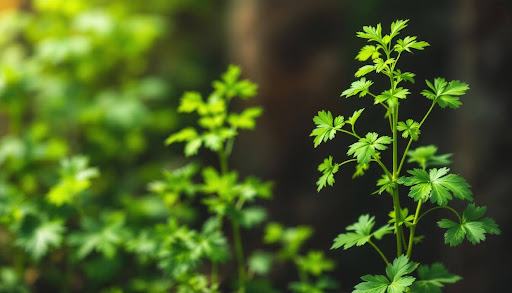
Cilantro, also known as coriander in many parts of the world, is a versatile herb cherished for its fresh, citrusy flavor. Whether you’re adding it to salsa, garnishing soups, or blending it into chutneys, fresh cilantro elevates countless dishes. Growing cilantro from seed is surprisingly straightforward, but getting the best results starts with choosing the right seeds and understanding the plant’s unique needs.
From selecting quality seeds to nurturing seedlings and harvesting at the perfect time, this guide covers everything needed to grow healthy cilantro plants that will keep your kitchen stocked with fresh herbs.
Choosing Quality Cilantro Seeds
Starting with high-quality seeds is crucial for a successful cilantro crop. Seeds that are fresh, viable, and suited to your climate will germinate faster and produce robust plants. When shopping for cilantro seeds, look for those labeled as “fresh” or with a recent packaging date-cilantro seeds typically remain viable for about one to two years.
Consider the source of your seeds as well. Organic seeds or those from reputable seed companies often have better germination rates and fewer contaminants. If you prefer heirloom varieties, seek out seeds specifically labeled as such to ensure you’re growing the authentic flavor and characteristics you desire.
Another factor is the seed type. Cilantro seeds are actually coriander seeds, which are round and brown. Some gardeners prefer to crush the seeds slightly before planting to speed up germination, but this can reduce shelf life if done too early. If you plan to grow cilantro repeatedly, saving seeds from your own plants can be rewarding, but make sure to harvest them at full maturity and dry them properly.
Growing Cilantro From Seed
Cilantro is a cool-season herb that thrives in temperatures between 50°F and 85°F (10°C to 29°C). It tends to bolt quickly in hot weather, so timing your planting is key. In most climates, sowing seeds in early spring or late summer for a fall harvest works best.
Start by selecting a well-draining spot with full sun to partial shade. Cilantro prefers soil rich in organic matter and with a neutral to slightly acidic pH (around 6.2 to 6.8). Before planting, loosen the soil to a depth of about 8 inches and mix in compost to improve fertility and moisture retention.
Plant cilantro seeds about ¼ to ½ inch deep, spacing them 1 to 2 inches apart in rows or clusters. Thin seedlings to about 6 inches apart once they reach a couple of inches tall to give each plant enough room to grow. Water gently but consistently, keeping the soil moist but not soggy. Overwatering can lead to root rot, while underwatering stresses the plants and encourages premature bolting.
Germination usually occurs within 7 to 10 days, but cooler soil temperatures can slow this process. To extend your harvest, consider succession planting every two to three weeks. This approach ensures a steady supply of fresh leaves over several months.
While cilantro doesn’t require heavy feeding, a balanced, all-purpose fertilizer applied once or twice during the growing season can boost growth. Avoid excessive nitrogen, which encourages leaf growth but can weaken flavor and increase susceptibility to pests.
Watch for common pests like aphids and caterpillars, which can be controlled with insecticidal soap or by encouraging beneficial insects like ladybugs. Diseases such as powdery mildew can appear in humid conditions, so ensure good air circulation around plants and avoid overhead watering.
Harvesting cilantro leaves regularly encourages bushier growth. Use scissors to snip leaves from the outer stems, leaving the central growth intact. If you want to save seeds, allow some plants to flower and go to seed. Once the seed heads turn brown and dry, cut them off and store the seeds in a cool, dry place.