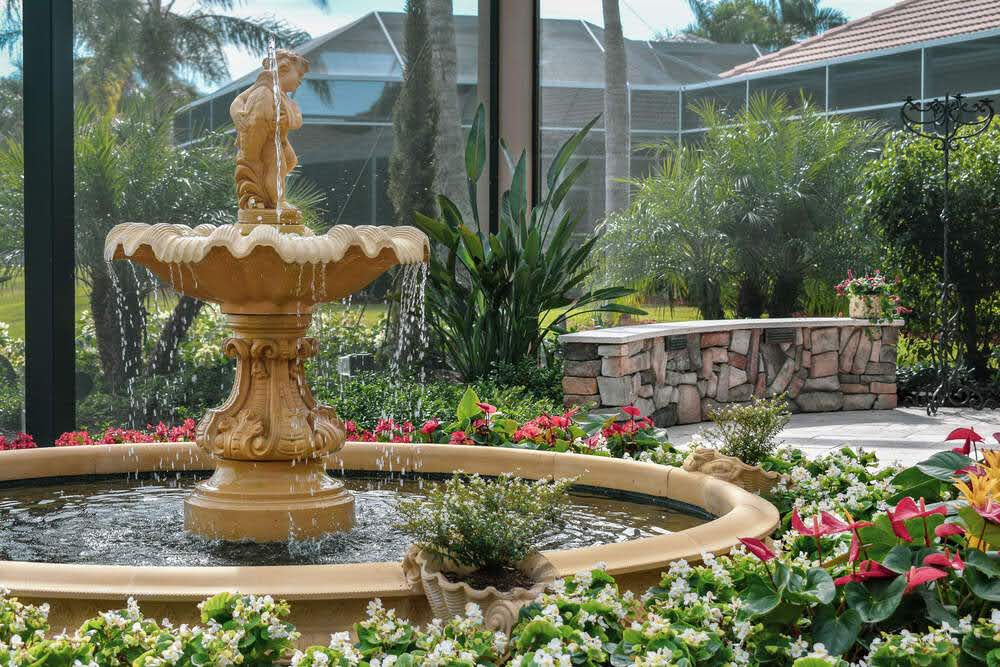
A well-maintained fountain or water feature can completely transform any garden, adding beauty, tranquility, and a soothing ambiance. However, maintaining these water features requires more than simply filling them with water. Over time, debris, algae, mineral deposits, and bacterial growth can accumulate, turning what was once a sparkling centerpiece into a dull and potentially unhealthy pond. Regular cleaning is essential to maintain a cleaner pond, promote healthy aquatic life, and ensure your fountain or water feature continues to function efficiently. Even small decorative fountains can become breeding grounds for algae and bacteria if neglected. By following consistent maintenance routines and using the right tools, garden enthusiasts can enjoy a pristine and inviting water feature all year round.
Why Fountain and Water Feature Cleaning Matters
Maintaining a cleaner pond is not only about aesthetics. Algae and bacterial growth can create unpleasant odors, cloud the water, and even harm fish or aquatic plants. Mineral buildup from hard water can damage pumps and plumbing over time, reducing the lifespan of your equipment. Debris like leaves, twigs, and sediment can clog filters and obstruct water flow, leading to inefficient filtration and stagnant water. Regular cleaning ensures:
- Clear and sparkling water
- Reduced algae growth
- Healthy conditions for fish and plants
- Proper functioning of pumps and filters
- Prevention of foul odors and bacterial buildup
Common Issues in Fountains and Water Features
Fountains and water features are prone to a variety of issues if left unmaintained:
Algae Growth
Algae thrive in sunlight and nutrient-rich water, turning water green and slippery. Excess algae can block sunlight from reaching aquatic plants and consume oxygen, harming fish.
Debris Accumulation
Leaves, twigs, dirt, and other debris can collect in the water, settle at the bottom, and decompose. This decomposition produces foul odors and reduces water quality.
Mineral Deposits
Hard water often leaves white stains or calcium deposits on surfaces, pumps, and plumbing. Over time, this can damage equipment or make surfaces slippery.
Bacterial Build-Up
Stagnant or slow-moving water can become a breeding ground for harmful bacteria. This can negatively affect aquatic life and pose a risk to anyone handling the water.
Tools and Equipment for Cleaning
To maintain a cleaner pond, it’s important to have the right tools on hand. Essential equipment includes:
- Pond Net: Removes floating debris such as leaves and twigs.
- Brushes: Soft brushes for delicate surfaces and firm brushes for algae and mineral deposits.
- Submersible Pump: Drains water for deep cleaning or improves circulation during maintenance.
- Pond Vacuum: Suctions sludge and sediment from the bottom.
- Water Treatment Products: Beneficial bacteria, water clarifiers, and algae control solutions to maintain water quality.
Step-by-Step Fountain and Water Feature Cleaning
Turn Off the Pump
Always switch off the pump before cleaning to prevent damage and ensure safety.
Remove Debris
Use a pond net to remove leaves, twigs, and other floating debris. This step prevents clogging and makes deep cleaning easier.
Drain Water (Optional)
For thorough cleaning, partially or fully drain the water using a submersible pump. This allows access to the bottom and hard-to-reach areas.
Scrub Surfaces
Clean fountain walls, statues, and plumbing with brushes. For mineral deposits, a mild vinegar solution or specialized fountain cleaner works well. Ensure all algae and dirt are removed to maintain a cleaner pond.
Clean the Pump and Filter
Remove the pump and any filters. Rinse them thoroughly and check for clogs to ensure proper water flow and prevent future problems.
Refill and Treat Water
Refill the fountain with fresh water. Add beneficial bacteria or water clarifiers to maintain a cleaner pond, prevent algae growth, and support aquatic life.
Routine Maintenance
Consistency is key to a healthy water feature. Recommended maintenance includes:
- Skimming debris weekly
- Inspecting the pump monthly
- Deep cleaning at least once per season
- Monitoring water quality with occasional testing for pH and nutrients
Tips for a Cleaner Pond Year-Round
To keep your fountain or water feature in optimal condition throughout the year, use a fountain cover to prevent debris from accumulating and installing a pre-filter can help trap leaves before they reach the pump. Adding aquatic plants not only enhances the beauty of the pond but also absorbs excess nutrients, helping to reduce algae growth. Limiting direct sunlight exposure further prevents algae proliferation, while regularly testing the water for pH and nutrient balance ensures a healthy environment for fish and plants. It’s also important to avoid harsh chemicals that can harm aquatic life, relying instead on natural or eco-friendly treatments whenever possible.
Common Mistakes to Avoid
Maintaining a cleaner pond also means avoiding practices that can harm the water feature:
- Over-cleaning, which removes beneficial bacteria.
- Ignoring pump maintenance, leading to clogs or failures.
- Allowing leaves and debris to accumulate for too long, causing foul odors and bacterial growth.
- Using chemicals that are not safe for fish or plants.
Clearing up confusion
How often should I clean my fountain or water feature?
For optimal results, skim debris weekly, inspect pumps and filters monthly, and perform a deep clean at least once per season to maintain a cleaner pond.
Can I use chemicals to clean my pond?
Harsh chemicals should be avoided as they can harm fish and plants. Use eco-friendly cleaning products, beneficial bacteria, or mild solutions like vinegar for safe cleaning.
How can I prevent algae growth in my water feature?
Limit direct sunlight exposure, add aquatic plants to absorb excess nutrients, maintain proper water circulation, and consider adding beneficial bacteria or water clarifiers to control algae naturally.
Do I need to clean the pump and filter regularly?
Yes. Regularly cleaning the pump and filters prevents clogs, ensures proper water flow, and extends the life of your fountain or water feature.
Can I keep fish in a fountain or water feature?
Yes, but only if the pond is properly maintained with regular cleaning, efficient filtration, and water quality monitoring to create a healthy environment for the fish.
Conclusion
Maintaining a cleaner pond in your fountain or water feature may require time and effort, but the results are rewarding. Clear, sparkling water enhances the visual appeal of your garden, protects aquatic life, and ensures your pumps and plumbing function efficiently. By using the right tools, following proper cleaning techniques, and maintaining a consistent schedule, you can enjoy a beautiful and healthy water feature throughout the year. A clean fountain or water feature not only improves aesthetics but also creates a relaxing and inviting outdoor environment, making your garden a true sanctuary.
Keep an eye for more latest news & updates on Tribune!