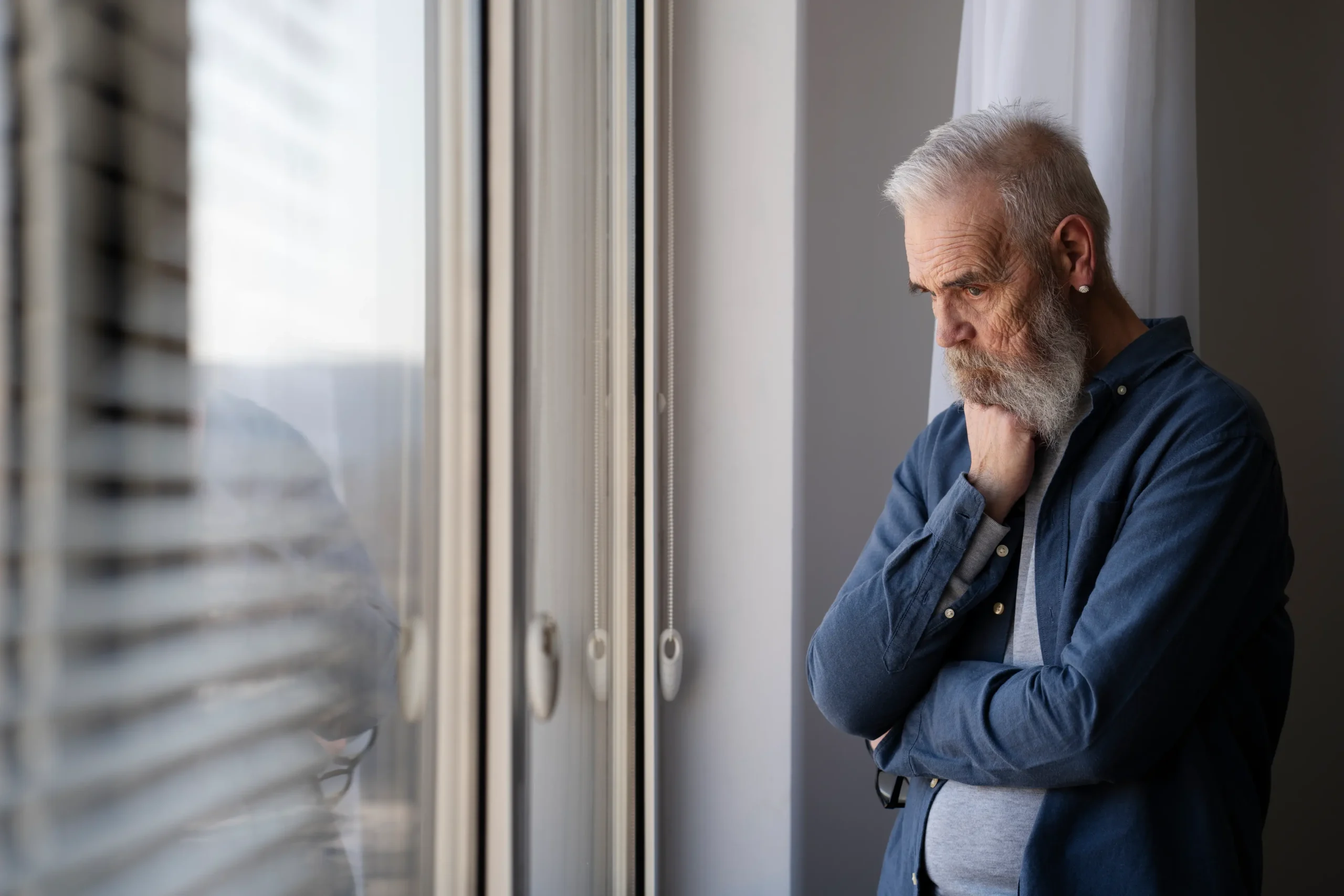
Millions of older people are affected by anxiety due to numerous reasons. A thorough research has indicated the prevalence of anxiety disorders among seniors is approximately 10-20%. Although anxiety is known not to be inherently associated with the aging process, the adjustment of increased stay at home, as well as concern about one’s health, can lead to the experience of anxiety. The great news is older people can address the issue of anxiety by adapting various techniques from the comfort of their homes.
As the elderly gain knowledge about how to alleviate their anxiety at home, they can ensure their emotional well-being by living a higher quality life. This extensive resource will take a close look at ways that may genuinely work towards decreasing signs of anxiety.
Understanding Anxiety in Seniors
Before diving into solutions, it’s really important to understand how anxiety can show up in older adults. Unlike younger folks, senior anxiety often takes on a different form, with excessive worries about things like health, financial stability, or the fear of relying on others. You might notice physical signs too, such as restlessness, feeling tired all the time, trouble focusing, muscle tightness, and having a hard time sleeping.
Some common triggers for anxiety in seniors include ongoing health issues, side effects from medications, losing their independence, feeling socially isolated, and facing big life changes like retirement or the passing of a spouse. Recognizing these triggers is the crucial first step in creating effective coping strategies that can be practiced right at home.
Creating a Calming Home Environment
Declutter and Organize
Anxiety and feelings of overwhelm can be exacerbated by a cluttered environment. Seniors should concentrate on setting up calm, orderly areas where they spend the majority of their time. One room or even one drawer at a time is a good place to start. Make sure frequently used items are easily accessible, remove superfluous items, and arrange possessions in labeled containers.
To keep things organized without feeling overburdened, think about starting a daily tidying routine that takes only ten to fifteen minutes. A tidy, well-organized environment fosters mental clarity and lessens the anxiety that results from feeling powerless over your surroundings.
Optimize Lighting and Sound
Anxiety reduction and mood regulation are greatly aided by natural light. During the day, open the curtains to let in sunlight, which increases vitamin D levels and supports healthy circadian rhythms.
To create a calming atmosphere in the evening, use warm, soft lighting. To block out distracting noises and encourage calmness throughout your house, think about playing soft background music, nature sounds, or white noise.
Physical Activities to Reduce Anxiety
Gentle Exercise and Movement
Exercise can be one of the best natural ways to alleviate anxiety. Seniors can get these benefits without necessarily engaging in rigorous exercise. Simple exercises such as chair yoga, stretching, and walking around can have a pronounced effect of reducing anxiety by promoting the production of endorphins and reducing stress levels.
The goal is to incorporate at least 20-30 minutes of gentle exercise on most days of each week. Senior home care in Indian river county has exercise programs designed for seniors to undertake from home comfort. Exercises such as Tai Chi involve practices that incorporate movement and mindfulness for a dual approach to alleviate anxiety.
Breathing Exercises and Relaxation Methods
Deep breathing techniques stimulate the relaxation response in the body and can be performed anywhere and at anytime. One technique is to inhale for a count of four, hold for a count of seven, and exhale for a count of eight. Do these exercises for a period of five minutes under anxious conditions. Another technique is progressive muscle relaxation in which the person systematically learns to relax different muscle groups in the body that experience tension under anxious arousal.
Mental and Emotional Wellness Strategies
Establishing a Consistent Daily Routine
Having a predictable routine can really help ease anxiety by giving you a sense of structure and control. Try to create a daily schedule that includes set times for waking up, meals, activities, and bedtime. It doesn’t mean you have to plan every single minute, but having those key moments throughout the day can help stabilize your mood and lessen the uncertainty that often leads to anxiety.
Practice Mindfulness and Meditation
Mindfulness meditation is all about training your mind to stay in the present instead of worrying about what’s ahead or getting stuck in the past. You can start with just five minutes a day—find a comfy spot, focus on your breath, and when your mind starts to wander, gently guide it back without being hard on yourself. There are plenty of apps and guided meditation videos tailored for seniors that can help you get started with this calming practice.
Social Connection and Engagement
Feeling isolated can really ramp up anxiety for seniors. Even if you’re at home, you can still keep those meaningful connections alive through regular phone calls, video chats with family and friends, or by joining online communities and virtual classes. Try to set up weekly check-ins with loved ones so you have something to look forward to.
Lifestyle Adjustments for Better Mental Health
Nutrition and Hydration
Your mood is directly impacted by what you eat. Mood regulation and brain health are supported by a well-balanced diet high in fruits, vegetables, lean proteins, whole grains, and omega-3 fatty acids. Limit sugar and caffeine, as these substances can aggravate or cause anxiety symptoms in those who are sensitive.
Maintain adequate hydration throughout the day because even slight dehydration can have an impact on mood and cognitive abilities. As a reminder to drink frequently, think about keeping a water bottle close at hand. Herbal teas with calming and hydrating properties, such as lavender or chamomile, are popular among senior citizens.
Prioritize Quality Sleep
Anxiety and insufficient sleep are a vicious cycle that exacerbates one another. Maintaining regular sleep and wake times, setting up a calm, dark, and cool bedroom, and avoiding screens for at least an hour before bed are all ways to practice good sleep hygiene. Try writing down your worries in a worry journal by your bed if you have trouble with anxiety at night. This will help you put your worries aside until the next day.
Engaging in Purposeful Activities
When we have too much free time to daydream, anxiety frequently gets worse. Take part in activities that give you a sense of purpose and achievement. This could include pastimes like knitting, painting, gardening, solving puzzles, or taking online courses to learn something new. Because they demand concentration and offer a constructive way to express feelings, creative pursuits are especially advantageous.
When to Seek Professional Help
Even though several strategies can be done at home, it is also important to acknowledge when a person needs to seek help from a professional. When a person’s anxiety impacts their ability to do daily tasks or when a person physically feels the effects of their anxiety along with feelings of depression, a person should seek a physical to get advice from a medical professional. Personal Care Services in Indian River County provide a way for senior citizens to seek help from mental health professionals in the comfort of their homes.
Conclusion
Managing anxiety is really more of a journey than a final destination. What works best for you will be totally unique, so don’t hesitate to try out different techniques to find your own personal toolkit for managing anxiety. By taking proactive steps to look after your mental health at home, you can help reduce anxiety, boost your peace of mind, and truly enjoy your golden years with more comfort and confidence.