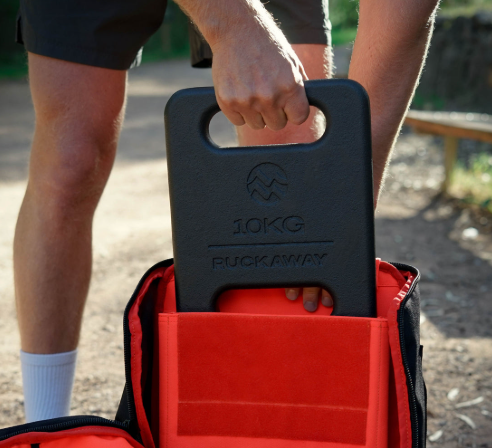
Introduction: Why Weighted Walking Matters
Humans are literally built to carry weight. Anthropological evidence shows that hunter-gatherers regularly transported food, water, tools, and children over long distances. Walking with a load engages nearly every muscle group, challenges your cardiovascular system, and trains the nervous system to coordinate balance and posture, all at once. Yet modern conveniences have made carrying largely optional. Shopping carts, vehicles, strollers, and delivery services have removed what used to be a daily necessity. Weighted walking, often referred to as rucking when done with a dedicated backpack, reintroduces this primal movement, creating a unique blend of strength, endurance, and functional fitness.
It’s not about looking a certain way or hitting max numbers. It’s about building practical capability. Every kilogram in your pack contributes to your body learning to move efficiently under load, improving posture, balance, joint stability, and mental resilience, skills you’ll carry into daily life.
Weighted walking is also scalable. Whether you weigh 45 kg or 120 kg, walking 20 minutes with a load provides meaningful adaptation. The key is understanding how much weight is safe and effective, which is what this guide breaks down.
Understanding Load: What Makes a Weight “Safe”?
Short answer: Safe weight is a balance between challenge and injury prevention. Too light may limit benefits, too heavy risks strain.
Long answer: There are three main factors to consider: body weight, fitness level, and walking duration/distance. Military research has consistently shown that an infantryman can march safely with up to 22 kg of gear. Beyond that, performance drops and injury risk rises. But the same 22 kg on someone who weighs 55 kg is far too heavy for a beginner.
A good rule of thumb for everyday rucking:
- Beginners: 5–10 kg
- Intermediate/experienced walkers: 10–15 kg
- Advanced/mission-specific: up to ~22 kg
Other factors include terrain, incline, and pack fit. Uneven surfaces or hills amplify stress, so you may need to reduce weight to maintain form.
Your form is the ultimate safety gauge. Shoulders relaxed, back straight, core engaged, and footfalls controlled. If your posture suffers, your load is too heavy. Safe weight is heavy enough to challenge you, light enough to maintain proper mechanics.
Historical Context: How Humans Carried Weight
Short answer: Humans evolved to carry loads; history teaches us what’s sustainable.
Long answer: Evidence from cave paintings, military records, and anthropological research shows humans consistently carried between 5 and 15 kg over long distances for survival, warfare, or work. Greek Hoplites, Roman soldiers, and even medieval infantry routinely marched with 14–18 kg of gear. The British military during the Crimean War experimented with 29 kg loads and found it taxing; 22 kg remained the safe upper limit.
Modern militaries confirm this. Studies of U.S. Army, Marine, and Navy personnel show that loads exceeding 22 kg drastically increase injury risk while limiting performance. Similarly, backcountry hunters carrying 12–36 kg for multiple days report fat loss, preserved muscle, and increased cardiovascular endurance, but they train gradually and adapt over time.
Historical data also reveals that load isn’t one-size-fits-all. Body size, fitness, and purpose matter. That’s why starting with lighter weight and gradually increasing is critical. Weighted walking isn’t about extremes; it’s about functional, sustainable progression.
Recommended Weight Ranges for Men and Women
Weighted walking, often referred to as rucking when using a rucking backpack, is not one-size-fits-all. Men and women differ in body composition, muscle mass, and skeletal strength, which affects how much load they can safely carry. Even within the same sex, factors such as age, experience level, and current fitness influence the ideal weight. The goal is to challenge the body enough to stimulate strength, balance, and cardiovascular benefits, without compromising posture, joint integrity, or walking efficiency. Establishing a safe weight range helps prevent injury while maximising the long-term benefits of this functional movement practice.
Choosing appropriate equipment also plays a role in safe load management. A well-fitted rucking backpack allows weight to sit close to the body’s centre of mass, supporting proper posture and reducing unnecessary strain on the spine and shoulders. When the load is distributed correctly, walking mechanics remain natural, making progression safer and more sustainable over time.
Guidelines:
- Men: 10–20 kg for general health and functional strength
- Women: 5–15 kg for similar benefits
Practical considerations:
- Short walks vs. long treks: For shorter, intense walks, heavier loads are manageable. For long-distance walks, lighter weights preserve energy and reduce cumulative stress on joints.
- Terrain adjustments: Steep hills, trails, or uneven paths increase the load on knees, ankles, and hips. Reduce weight slightly to maintain safe form and joint integrity.
- Individual strength and experience: Beginners, older adults, or those recovering from injuries should start at the lower end of these ranges and progress gradually as adaptation occurs.
While men often begin with slightly heavier loads and women with lighter, both benefit from gradual, progressive adaptation. It is not about lifting the heaviest weight possible, but about consistency, comfort, and controlled progression. Factors like terrain, distance, and individual experience dictate adjustments, making body awareness the most important metric. Following these guidelines allows muscles, joints, and the nervous system to adapt safely over time, making everyday movements easier and supporting long-term functional fitness.
Choosing a Starting Weight for Beginners
For beginners, weighted walking, or rucking, can feel deceptively simple, but looks can be misleading. Adding a load engages muscles and joints often underutilised in modern life, making even a short walk a full-body exercise. Starting too heavy risks poor posture, shoulder strain, or back discomfort. Choosing the right starting weight is crucial for creating a sustainable, injury-free routine. A conservative approach allows the body to adapt to the new stimulus while building confidence and endurance.
Guidelines:
- Starting weight: 5–10 kg, adjusted for body size and fitness level
Tips for beginners:
- Start small, walk often: Frequent short sessions allow the body to adapt gradually without overstraining.
- Focus on form: Keep a straight back, engaged core, and relaxed shoulders. Avoid slouching or leaning forward to compensate for the weight.
- Incremental increases: Once a weight feels manageable, add 5 kg at a time, reducing distance or terrain difficulty as needed.
- Listen to your body: Mild muscle soreness is normal, but sharp or persistent pain is a warning to reduce weight or take rest.
- Practical method: Test several weights over a 10–15 minute walk to find the sweet spot that is challenging yet manageable.
The key to a successful start is listening to the body and prioritising form over load. Frequent, shorter walks allow muscles, joints, and connective tissues to strengthen gradually. Incrementally increasing weight ensures steady, sustainable progress. Over time, the combination of proper form, progressive load, and consistent practice develops strength, stability, and cardiovascular capacity that translates directly to daily function.
Progressing Safely: Load and Distance
Weighted walking, or rucking, is most effective when progression is gradual and controlled. Many people make the mistake of increasing both weight and distance too quickly, which can overwhelm muscles, joints, and ligaments. Safe progression is about finding balance, challenging the body while avoiding injury, and gradually expanding capacity. This measured approach mirrors how humans historically carried loads through moderate, repeated efforts rather than occasional extreme exertion, which is exactly why it works for long-term functional fitness.
Guidelines:
- Increase weight while keeping distance constant: Enhances muscular strength, spinal stability, and load-bearing capacity.
- Increase distance while keeping weight constant: Improves cardiovascular endurance, stamina, and walking efficiency.
Safety tips:
- Warm up: Five to ten minutes of dynamic stretches, hip mobility drills, or light walking prepares muscles and joints for load-bearing movement.
- Use supportive gear: A properly designed rucking backpack helps distribute weight evenly, while padded shoulder straps and supportive load systems reduce concentrated strain on joints and muscles.
- Recovery time: Allow at least a day or two between heavier sessions to let muscles, ligaments, and joints adapt safely.
Gradually increasing either weight or distance, rather than both at once, creates durable strength, endurance, and resilience. Supportive gear, proper warm-ups, and sufficient recovery amplify safety and effectiveness. Over weeks and months, the body adapts to heavier loads and longer distances without strain. This progressive approach not only improves functional strength but also builds confidence in movement and stamina. By respecting the principle of incremental adaptation, this method sets the foundation for a long-lasting, injury-resistant, and highly capable body.
Outdoor vs. Indoor Weighted Walking
Weighted walking can be done virtually anywhere, but the choice between outdoor and indoor environments influences safety, intensity, and enjoyment. Outdoor walking exposes you to varied terrain, weather conditions, and real-world obstacles, which can enhance balance, coordination, and functional strength. Indoor walking, on the other hand, offers a controlled, predictable surface that reduces the risk of slips, trips, or uneven surfaces. Choosing the right environment depends on your goals, experience, and the load you are carrying. Both settings provide benefits, and understanding their differences ensures safer and more effective training.
Considerations for Outdoor Walking:
- Terrain: Trails, hills, and uneven paths engage stabilising muscles and improve proprioception but may increase the risk of ankle sprains or knee strain.
- Weather and environment: Heat, cold, or wet conditions require adjusting hydration, clothing, and weight to avoid overexertion or injury.
- Distance and pacing: Outdoor sessions often encourage longer, slower walks, which can enhance endurance without overloading the joints.
Considerations for Indoor Walking:
- Controlled surface: Treadmills or gym tracks reduce trip hazards and provide consistent footing, ideal for beginners or when testing heavier loads.
- Adjustable intensity: Incline and speed settings allow precise progression in weight or distance.
- Predictable conditions: No rain, wind, or uneven terrain means fewer distractions, allowing focus on form and load adaptation.
Both outdoor and indoor weighted walking have unique advantages. Outdoor sessions improve functional strength and adaptability in real-world conditions, while indoor sessions provide a safer environment for beginners or heavy-load training. Alternating between the two can combine the best of both, enhancing endurance, coordination, and safety. Ultimately, the body adapts best when challenged progressively, and the environment should support consistent practice rather than hinder it.
Shoulder and Back Safety
Adding weight to walking stresses the shoulders, upper back, and spine in ways that ordinary walking does not. While these muscles are capable of adaptation, improper load, posture, or equipment can lead to discomfort or injury. Ensuring shoulder and back safety is critical for long-term practice and maximises benefits without setbacks. By understanding common strain points and corrective strategies, weighted walking becomes a sustainable and effective exercise.
Key Safety Tips:
- Shoulder strap adjustment: Straps should sit comfortably without digging in. Frequent micro-adjustments can prevent pressure points and soreness.
- Core engagement: Maintaining an active core reduces forward slouching and distributes weight evenly across the spine.
- Short acclimation periods: Beginners should start with short walks to allow the shoulders and back to gradually adapt to the load.
- Mobility exercises: Shoulder rolls, thoracic extensions, and scapular strengthening help prevent stiffness and maintain posture during longer sessions.
Shoulder and back discomfort is often preventable with proper form, equipment adjustment, and gradual progression. Listening to the body, strengthening stabilising muscles, and using corrective mobility exercises ensures that the benefits of weighted walking outweigh potential strain. By prioritising these safety measures, you develop resilient shoulders and a strong upper back, enhancing posture, reducing injury risk, and making weighted walking a sustainable part of your routine.
Hip Belt and Load Distribution
A well-fitted hip belt is a key tool for distributing weight safely during weighted walking. Without proper load distribution, the shoulders and spine bear excessive strain, which can compromise posture and lead to fatigue or injury. Hip belts shift the load toward the pelvis and lower body, which are better equipped to handle weight, making longer walks more comfortable and efficient. Understanding how to adjust and use the hip belt maximises both safety and performance.
Load Distribution Guidelines:
- Hip placement: The belt should sit over the top of your hip bones, allowing your legs and glutes to carry most of the weight.
- Shoulder strap adjustment: Loosen or tighten straps to fine-tune load sharing between upper and lower body.
- Dynamic shifting: During longer walks, slightly alternate load between hips and shoulders to prevent fatigue.
- Practical tips: Use hip belt pockets for small items, and ensure straps do not twist or create pressure points.
Proper use of a hip belt transforms weighted walking from a potentially uncomfortable strain into a safe, functional exercise. By shifting the load to stronger muscles, it reduces shoulder and back stress, improves posture, and enhances endurance. Learning to adjust and manage load dynamically allows you to carry heavier packs or walk longer distances without discomfort. Consistent practice with correct load distribution reinforces safe biomechanics, ensuring that weighted walking remains effective, injury-free, and sustainable.
Weight Progression Strategies
Progression is the cornerstone of effective weighted walking. The body adapts to consistent stress, but overloading too quickly can lead to injury or burnout. The goal is to challenge muscles, joints, and the cardiovascular system safely while allowing the nervous system to adjust. By following structured weight progression strategies, you maximise strength, endurance, and functional capacity without compromising safety. Understanding how to increase load and distance strategically ensures long-term benefits. This approach mirrors natural human patterns of gradually carrying loads over time, which historically enhanced resilience, balance, and physical preparedness.
Strategies for Safe Progression:
- Incremental load increases: Add 2–5 kg at a time for safe adaptation. Sudden increases can strain the spine, shoulders, and knees, especially if the body has not developed the neuromuscular coordination to handle heavier loads. Progressing slowly allows muscles and joints to strengthen, connective tissues to adapt, and the cardiovascular system to manage the extra work efficiently. This approach also helps maintain proper posture and walking mechanics, preventing hunching, leaning forward, or uneven gait patterns that could lead to overuse injuries.
- Distance versus weight: When progressing, choose either to increase the weight or the walking distance, not both at once. Increasing weight develops muscular strength and load tolerance, while increasing distance enhances cardiovascular capacity, endurance, and muscular stamina. Progressing one variable at a time allows the body to adapt safely and ensures sustainable improvement over weeks and months.
- Frequency and recovery: Allow at least one day between heavier sessions to let muscles, tendons, and joints recover fully. Recovery is crucial because the body strengthens during rest, not activity. Alternating heavy and light sessions, or mixing shorter walks with long moderate-load walks, ensures consistent progress while minimising cumulative strain.
- Variety and periodisation: Rotate between heavier, shorter walks and lighter, longer walks to stimulate different energy systems, prevent plateaus, and reduce overuse risk. This variation keeps workouts engaging, improves overall conditioning, and allows balanced development of strength, endurance, and mobility.
Gradual progression ensures consistent improvements without risking setbacks. Following a structured approach with incremental weight, controlled distance increases, and sufficient recovery enables your body to handle heavier loads, longer walks, and varied terrain safely. Over weeks and months, these strategies build a durable, resilient body capable of both everyday function and peak performance, creating a strong foundation for lifelong health and fitness.
Special Considerations for Older Adults
Weighted walking is highly adaptable, but older adults require special considerations due to changes in bone density, joint health, and recovery capacity. Aging muscles and connective tissue are more prone to injury, and balance may be reduced. However, when approached carefully, weighted walking can improve strength, stability, bone health, and cardiovascular fitness, making it one of the most effective functional exercises for older populations.
Tips for Older Adults:
- Start lighter: Begin with the lower end of weight ranges, such as 5–10 kg, to allow adaptation.
- Prioritise posture and core engagement: A strong core and upright posture reduce strain on the spine and joints.
- Focus on balance: Include walking on level ground initially, avoiding steep or uneven terrain until confident.
- Recovery and frequency: Older adults may need more rest between sessions to allow full recovery and reduce the risk of overuse injuries.
Weighted walking can be transformative for older adults when safety and progression are prioritised. Starting light, emphasising posture, and focusing on gradual load increases help build strength, endurance, and balance, supporting independence and mobility. With careful planning, it enhances overall quality of life, reduces fall risk, and strengthens the musculoskeletal system, demonstrating that functional fitness can be accessible and sustainable at any age.
Practical Tips for Everyday Integration
The beauty of weighted walking, or rucking, lies in its simplicity and adaptability. Unlike complex workouts or gym routines, it can be integrated seamlessly into daily life. Incorporating weighted walking into your routine ensures consistency, turning exercise into a sustainable habit rather than an obligation. Small adjustments in everyday activities can transform ordinary movement into functional training, amplifying health and fitness benefits. Consistent integration helps make long-term physical improvement effortless and natural.
Integration Tips:
- Commute or errands: Wearing a weighted backpack while walking to work, the store, or around your neighbourhood adds resistance to routine movement. This strengthens muscles, improves cardiovascular efficiency, and increases endurance without dedicating extra time to a formal workout. Over time, these small additions become a key source of daily functional training.
- At-home walks: Short indoor walks with a loaded backpack or rucksack in your yard or home are surprisingly effective. These can be done while doing chores, stretching, or during short breaks. Indoor walking offers controlled conditions and reduces environmental risks while still providing muscular and cardiovascular benefits.
- Combine with tasks: Carrying groceries, laundry, or even children while walking turns functional responsibilities into strength and endurance training. Integrating weighted walking into tasks makes workouts purposeful, increases motivation, and encourages consistency.
- Consistency over intensity: Regular, manageable sessions are more effective than occasional extreme efforts. The body adapts best to moderate, repeatable stress rather than sporadic overloads, which can lead to injury or burnout.
- Track progress: Keeping a simple log of weight carried, distance walked, and perceived exertion helps monitor improvements and guides incremental progression safely. This reinforces motivation and ensures continuous adaptation.
Everyday integration makes weighted walking both practical and sustainable. By leveraging normal activities and turning them into functional training opportunities, you can enhance strength, endurance, and posture without dedicating extra hours to the gym. Consistent practice, rather than extreme effort, builds long-term resilience, mobility, and health. Weighted walking becomes not just an exercise, but a lifestyle that supports daily function, reduces fatigue, and strengthens the body for life’s real-world demands.
Overall Conclusion
Weighted walking is a deceptively simple yet profoundly effective exercise that strengthens the body, improves endurance, and enhances functional capacity. Unlike isolated gym exercises, it engages multiple systems at once, including muscles, joints, cardiovascular health, balance, and mental focus, while mimicking natural human movement patterns. By following safe weight ranges, starting conservatively, and progressing gradually, anyone can build resilience without risking injury.
Its benefits extend beyond fitness. Weighted walking improves posture, coordination, and bone health while supporting mental resilience through controlled, rhythmic movement. For beginners, older adults, and experienced fitness enthusiasts alike, it is a flexible practice that can be integrated into daily life, from commuting and errands to dedicated walking sessions. The key is consistency, not intensity. Regular, moderate effort over time yields lasting strength, endurance, and mobility.
Weighted walking also cultivates real-world fitness that transfers directly to everyday tasks, such as carrying groceries, climbing stairs, walking long distances, and maintaining energy throughout the day. By prioritising gradual progression, functional form, and proper recovery, individuals can safely handle heavier loads, longer distances, and varied terrain, creating a durable and adaptable body.
Ultimately, the power of weighted walking lies not in short-term results but in its long-term impact. It strengthens the body for life, enhances independence, and builds a foundation of functional fitness that supports everyday living. Whether the goal is to improve health, build strength, or maintain mobility with age, weighted walking remains a sustainable, practical, and highly effective solution that works for virtually everyone.
Stay in touch to get more updates & news on Tribune!