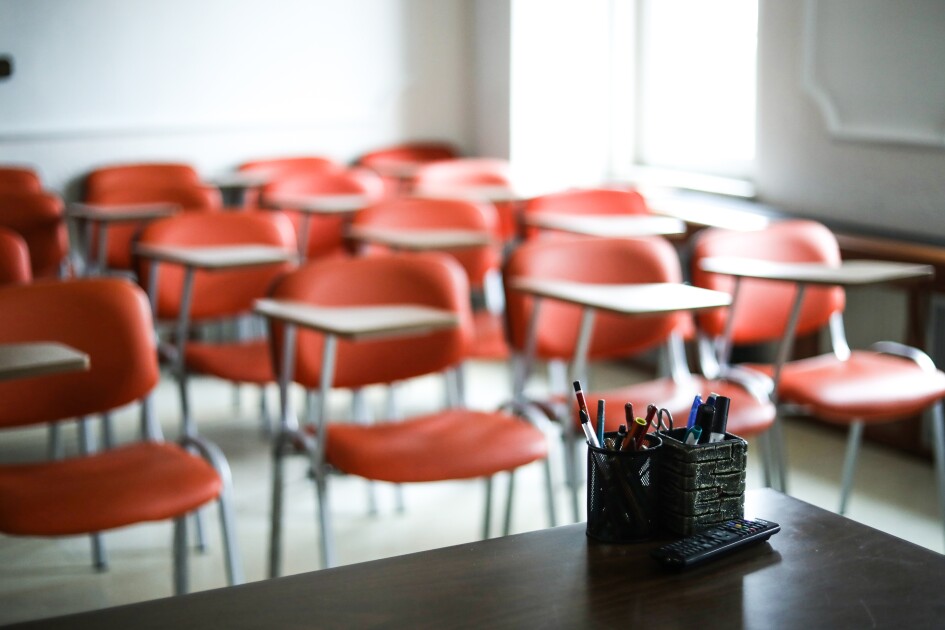
School environments influence how students behave, learn, and interact. The structure of classrooms, hallways, and shared spaces affects the rhythm of each day. When facilities support movement, focus, and safety, students experience fewer disruptions and stronger engagement. Smart layouts guide student behavior, simplify teaching, and create spaces where learners feel confident and supported.
Why facility design matters in schools
A school’s physical layout shapes how students transition between classes, how safely they move, and how effectively teachers supervise their groups. Facilities that include clear pathways, well-placed classrooms, and accessible learning resources help establish order before teaching even begins. Students concentrate better when the environment is predictable and free of unnecessary obstacles.
The design also influences how students collaborate and connect with peers. Schools that invest in structured layouts encourage positive social interactions, which support emotional development and reduce conflict. Over time, thoughtful design choices contribute to higher attendance, improved academic performance, and stronger student engagement.
Assessing current school layouts and identifying pain points
Every improvement effort begins with understanding how students and staff use the current space. Many schools face challenges such as congested corridors, learning areas squeezed into corners, and resources stored far away from the classrooms that rely on them. These issues create friction throughout the day and make it harder for students to stay on task.
Administrators and facility managers benefit from walking through the school during peak times to observe movement patterns. Identifying bottlenecks, unsafe intersections, or underused spaces provides insight into practical improvements. Teachers, custodial staff, and even students offer valuable views about where confusion or delays occur, making their feedback important in the assessment process.
Designing classrooms and learning zones for engagement
Classroom layout plays a direct role in how students interact with lessons and with each other. A well-arranged room supports focused instruction by allowing teachers to move freely and connect with every student. Furniture placement, lighting, and resource locations influence how smoothly lessons unfold and how much concentration students maintain throughout the day.
Flexible design strengthens learning by making it easier to shift between group work, independent study, and hands-on activities. Classrooms that include breakout areas or open corners encourage collaboration without overwhelming the main learning space. Students stay engaged when movement is purposeful and when they have access to well-organized resources that support their learning objectives.
Improving shared and transition spaces
Students spend much of their day navigating hallways, visiting libraries, moving through cafeterias, and using common areas. These spaces set the tone for how safe, orderly, and welcoming the school feels. Congested hallways lead to delays and stress, while poorly structured shared areas distract students and make supervision more difficult.
Transition spaces should support steady movement and reduce noise. Wide pathways, clear visual lines, and well-defined routes help students move with confidence. Shared areas work best when they offer structure and support quiet reading, group study, or social interaction without becoming chaotic. Schools reinforce positive behavior when these spaces feel organized and inviting.
Incorporating safe and durable infrastructure
School facilities experience heavy daily use, so durable materials and well-built fixtures contribute to long-term safety and comfort. Strong partitions, secure storage areas, and high-quality building elements support privacy, reduce wear, and prevent disruptions that interfere with learning. Improving infrastructure strengthens trust among students, teachers, and parents.
Well-designed restroom areas also support student comfort and safety. Installing high-quality options for a school bathroom stall helps maintain privacy and a sense of dignity, especially in high-traffic environments where students rely on clean and secure spaces. Durable components reduce maintenance issues and keep facilities consistent with the professional standards expected in modern schools.
Balancing space efficiency and sustainability
Schools face ongoing pressure to manage costs while supporting effective learning environments. Space efficiency and sustainability play crucial roles in long-term planning, and administrators must find solutions that balance immediate use with responsible resource management. Designs that include energy-conscious layouts, optimized lighting, and durable materials help reduce long-term expenses while keeping spaces functional.
This balance reflects broader conversations around operational responsibility. Decisions about space usage often mirror the tension between profitability vs sustainability, which shows how strategic planning shapes financial and environmental outcomes. A school layout that incorporates sustainable choices protects resources, supports student well-being, and delivers value over time through reduced operational strain.
Monitoring, adapting, and evolving layouts
School environments evolve as enrollments rise, programs expand, or teaching methods shift. A strong facility layout includes built-in flexibility that allows administrators to adjust zones, expand classrooms, or reconfigure shared areas without significant disruption. Regular evaluation helps school leaders stay aligned with student needs and educational priorities.
Collecting feedback from teachers and students helps uncover emerging concerns. Reviewing movement patterns, studying equipment wear, and assessing the performance of learning spaces provide insights into necessary changes. When schools embrace adjustment as an ongoing process rather than a one-time project, facility design continues to support instructional goals and student outcomes.
Building environments that shape student success
Facility layout influences how students learn, how teachers manage classrooms, and how effectively the school community functions. Smart design choices reduce friction, support focus, and shape an environment where students feel secure and motivated. Improving the structure of classrooms, hallways, and shared spaces strengthens engagement and sets a higher standard for daily interactions.
Schools benefit when they view physical layout as a strategic element of student development. Investments in durable infrastructure, efficient layouts, and organized spaces create environments where learning thrives. When school leaders commit to thoughtful design, they support the long-term growth of students and strengthen the foundation for strong educational results.
Conclusion
Intentional school design is a strategic investment directly impacting learning outcomes. Physical layout, encompassing classroom structure, hallway flow, and fixture durability, fundamentally shapes the student experience. Facilities that prioritize safety, clear movement, and focused instruction empower effective teachers and maintain student engagement. This deliberate approach transforms facility layout into a powerful tool. By creating environments that reinforce confidence, minimize friction, and encourage positive behavior, administrators build adaptable spaces that strengthen long-term academic performance.
Stay in touch to get more updates & news on Tribune!