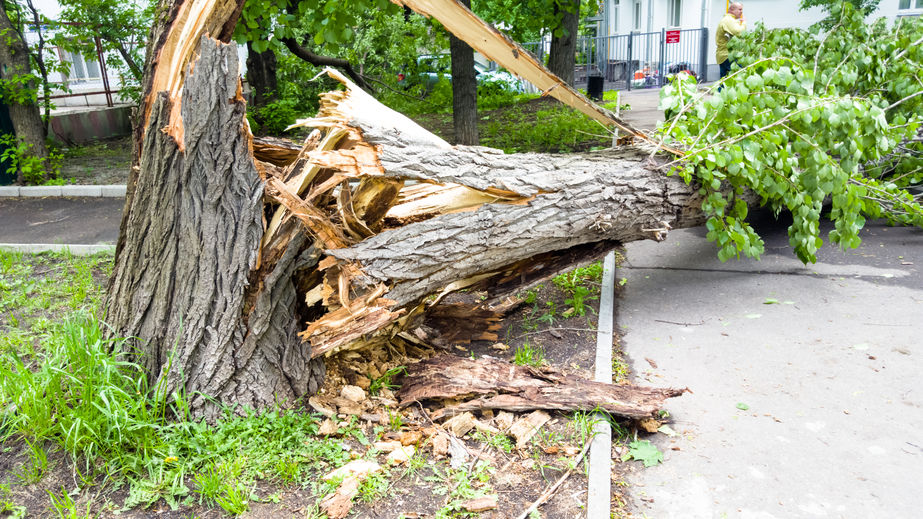
Effects of Storm Season on Trees
Jacksonville’s storm season, spanning from June to November, brings heavy rains, intense lightning, saturated soil, and powerful winds that can severely impact tree health. Sudden gusts can snap branches, uproot trees, and cause other physical injuries, especially to trees that are already stressed or unhealthy. Furthermore, excessive water can create soggy ground conditions that weaken a tree’s root grip, increasing the potential for toppling during high winds. These conditions may not only cause immediate physical damage, such as uprooting and broken branches, but also lead to longer-term issues including increased susceptibility to fungal diseases and pest infestations as wounds provide entry points for pathogens. To mitigate these risks, it’s essential to engage in proactive tree care practices such as timely pruning, disease management, and root system support. For residents seeking professional assistance or dealing with emergency situations, services like tree removal in Jacksonville FL are available. Bushor’s Tree Surgeons, a family-owned company with over 60 years of experience, offers comprehensive tree care services, including removal, expert pruning, and health assessments. Their longstanding reputation ensures the safety and health of your trees in the Jacksonville area while protecting property and public spaces.
Common Tree Vulnerabilities During Storms
Certain factors can make trees more prone to storm damage, and understanding these factors can help homeowners take targeted action:
- Shallow Root Systems: Trees with limited root depth are more likely to be uprooted during storms. Poorly developed roots, often the result of compacted soils or shallow watering, provide insufficient support against high winds, making these trees especially precarious during hurricane season.
- Structural Defects: Issues like co-dominant stems, where two main trunks emerge from a single point, or internal decay caused by disease or insect damage, can compromise a tree’s stability. Even healthy-looking trees may have hidden defects that increase risk of breakage or splitting during storms.
- Species Susceptibility: Some species, such as laurel oaks over 40 years old, are more vulnerable due to inherent weaknesses. Fast-growing trees may develop weak wood or poor branch structure, while older species may suffer internal decay not visible from the outside, increasing the odds they’ll be damaged or lost in a storm.
Pre-Storm Tree Preparation
Proactive measures can mitigate potential storm damage and help maintain tree resilience throughout the storm season:
- Regular Pruning: Proper pruning enhances a tree’s structure, removing dead or over-extended branches that could snap in high winds. It also reduces wind resistance, helping healthy airflow pass through the canopy. The University of Florida IFAS Extension emphasizes that trees pruned correctly are more resilient during storms and recover faster after events.
- Health Assessments: Routine evaluations performed by a trained arborist can identify and address issues like disease, pest infestation, or hidden structural weaknesses before they become hazardous. Assessing tree vigor, looking for symptoms of rot or decay, and testing for root stability are key tasks in advance of storm season.
- Root Care: Ensuring healthy root systems is fundamental for storm resilience. Proper mulching protects surface roots and maintains soil moisture, while avoiding soil compaction around roots allows them to grow deeply and strongly. Encourage growth away from paved surfaces and minimize foot and vehicle traffic near critical root zones to help trees anchor more securely.
[suggestion]Simple illustration of a healthy tree with strong roots and trimmed branches standing in a well-kept suburban Jacksonville yard, with light clouds in the background to subtly suggest storm season.[/suggestion]
Post-Storm Tree Assessment and Care
After a storm has passed, it’s essential to carefully assess trees for any visible or hidden damage and address safety concerns immediately:
- Safety First: Stay clear of damaged trees, especially those near power lines, as hazardous branches or partially downed trees can shift suddenly, causing injuries or property damage. Never attempt to remove limbs tangled in wires.
- Damage Evaluation: Look for signs like leaning trunks, broken or hanging branches, splits or cracks in the bark, and exposed roots. Less obvious symptoms, such as canopy dieback or changes in leaf color, can indicate internal issues that merit professional examination. Early intervention can often save trees suffering minor to moderate storm damage.
- Professional Consultation: Engage certified arborists to determine the best course of action for damaged trees. They can assess whether troubled trees can be saved with pruning, cabling, or bracing, or if removal is the safest option. Arborists also provide guidance on planting replacement trees suitable for Jacksonville’s unique climate and storm risks.
When to Seek Professional Assistance
For comprehensive tree care, especially in storm-prone areas like Jacksonville, consulting professionals is advisable. Certified arborists possess the skills, experience, and tools necessary to safely address even the most high-risk situations, such as hazardous tree removals near structures or utility lines. Bushor’s Tree Surgeons, a reputable company in Jacksonville, offers expert tree removal and maintenance services. Their team understands the specific challenges posed by Florida’s climate and storm cycles. By hiring experienced arborists, property owners ensure essential preventive measures, informed decision-making, and emergency response strategies are in place long before a hurricane strikes. For more information on tree removal in Jacksonville, FL, visit their website and review the services most relevant to your needs.
Frequently Asked Questions
Q: How often should I have my trees inspected?
A: It’s recommended to have trees inspected by a certified arborist every two to three years, or more frequently if they are mature, located near structures, or have known issues such as previous storm damage, visible decay, or species-specific vulnerabilities. Regular inspections help catch problems early and reduce risks during severe weather events.
Q: Can I prune my trees myself?
A: While minor pruning of small, accessible branches can be done by homeowners with proper tools and safety precautions, significant pruning, removal of large limbs, or work on tall trees should be performed by professionals. Incorrect techniques may injure trees or create hazards. Arborists ensure pruning is both safe and beneficial for the tree’s structure and health.
Q: What should I do if a tree falls on my property during a storm?
A: Ensure everyone’s safety by keeping a safe distance and securing the area, especially if downed branches or the tree itself are entangled with power lines. Never approach or touch such trees. Contact emergency services if necessary, and consult a professional tree service for safe, efficient removal and damage assessment.
By understanding the impacts of storm season on trees and taking proactive steps, Jacksonville residents can enhance their trees’ safety and health, contributing to a more resilient and attractive community. Individuals and property owners who invest in regular tree maintenance protect not only their properties, but also the urban forest that benefits everyone in Jacksonville. Proactive care today can prevent costly emergencies tomorrow and create safer neighborhoods, even in the face of Florida’s most challenging weather.
Stay in touch to get more updates & news on Tribune!