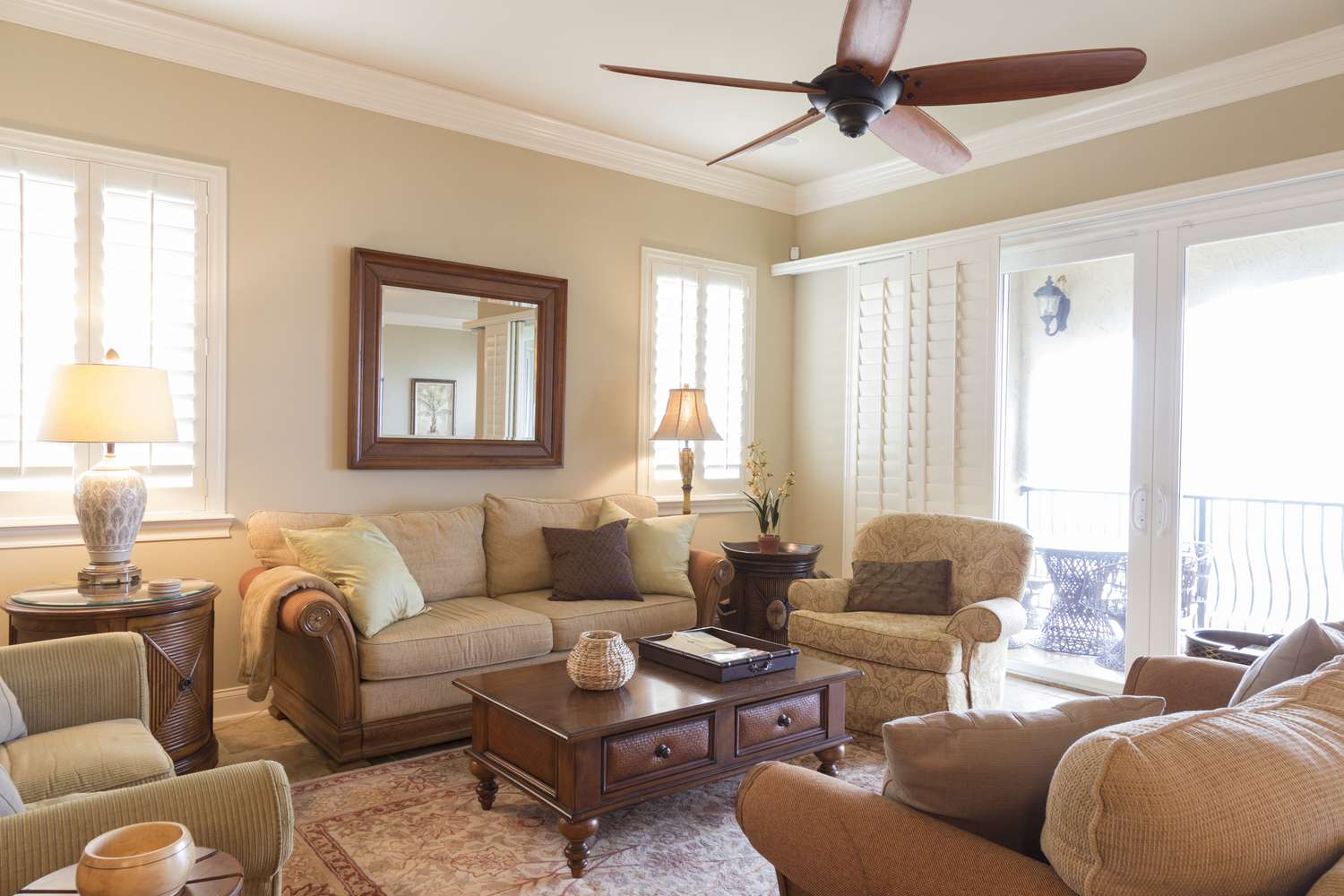
Choosing the right colors for your home can feel like a daunting task. The right color palette can transform a space, setting the mood, enhancing the architecture, and reflecting your personality. On the other hand, the wrong color choices can make a room feel cramped, dull, or disjointed. Whether you’re painting a single room, refreshing your entire home, or even picking colors for furniture and decor, understanding color theory, your space, and your personal style is crucial. Here’s a comprehensive guide to help you select the perfect colors for your home.
Understanding Color Psychology
Before diving into paint samples and swatches, it’s important to understand how colors affect mood and perception. Color psychology explores how different colors can evoke emotions, influence energy levels, and even affect your behavior. Here are some basic associations to keep in mind:
- Warm Colors (Red, Orange, Yellow): These shades are energetic and stimulating. They can create a cozy and inviting atmosphere in living rooms and dining areas but may feel overwhelming in bedrooms or small spaces.
- Cool Colors (Blue, Green, Purple): Known for their calming and soothing effects, cool tones are ideal for bedrooms, bathrooms, or spaces where relaxation is key.
- Neutral Colors (White, Gray, Beige, Taupe): These versatile shades serve as excellent backdrops, allowing furniture and decor to shine. They also make spaces feel larger and more open.
- Accent Colors: Bright or bold hues, like fuchsia, teal, or mustard, are perfect for adding pops of personality. Used in moderation, they can invigorate a room without overpowering it.
Knowing the emotional impact of colors will guide you in creating spaces that align with your lifestyle and mood preferences.
Consider Your Space
The characteristics of your room will heavily influence how colors look and feel. Here’s what to consider:
1. Room Size and Shape
- Small Rooms: Lighter colors like soft pastels, pale blues, and creams can make small spaces appear bigger and more open. Dark shades may feel cozy but can also shrink a room visually.
- Large Rooms: Deep, rich colors such as navy, emerald, or charcoal can make large rooms feel more intimate and grounded.
- Low Ceilings: Lighter shades on walls and ceilings can create a sense of height and openness.
- High Ceilings: Darker colors on the ceiling can reduce the feeling of emptiness, making the room feel more proportionate.
2. Natural Light
The amount and quality of natural light in a room significantly affect how colors appear:
- North-Facing Rooms: These tend to have cooler, dimmer light, so warm shades can balance the space and add warmth.
- South-Facing Rooms: Abundant sunlight makes colors appear brighter. Soft, muted shades or cooler tones work well.
- East-Facing Rooms: Morning light is gentle and warm, ideal for colors that change mood throughout the day.
- West-Facing Rooms: Afternoon sunlight can be intense. Colors with some depth prevent the room from feeling washed out.
3. Existing Elements
Consider fixed elements like flooring, cabinetry, countertops, and furniture. Coordinating colors with existing pieces helps create a harmonious look. If you have bold furniture, a neutral wall palette may be better; if your walls are dramatic, keep furniture and accents simple.
Choosing a Color Palette
A color palette is the combination of shades used throughout a room or home. It typically includes three key layers:
- Base Color: This is your dominant color, usually applied to walls. It sets the tone for the space and should be something you enjoy seeing every day.
- Secondary Color: This color complements the base and is often used for furniture, cabinets, or large decor items. It adds depth and contrast.
- Accent Color: Bold or bright hues used sparingly, such as in cushions, rugs, or artwork, to create visual interest and energy.
One practical tip is the 60-30-10 rule: 60% base color, 30% secondary color, 10% accent color. This ratio ensures balance and visual harmony in your space.
Test Before Committing
Never choose a color based solely on a paint chip or online photo. Colors can appear vastly different depending on lighting, room size, and surrounding elements. Here’s how to test effectively:
- Sample Swatches: Paint small sections of the wall with sample sizes and observe them at different times of the day.
- Lighting Test: Check how the color looks in both natural and artificial light. LED bulbs can make colors look cooler, while incandescent lighting can warm them up.
- Adjacent Colors: Place furniture and decor near your sample swatches to see how they complement each other.
- Texture Influence: Matte, satin, and glossy finishes can change how the color reflects light. Try samples in the finish you plan to use.
Testing allows you to avoid costly mistakes and ensures the color will work in the space as intended.
Popular Color Trends for Homes
While personal taste should always guide your choices, it’s helpful to know current trends:
- Earthy Tones: Shades inspired by nature, like terracotta, olive green, and sand, create a grounded, calming environment.
- Soft Pastels: Light pinks, muted blues, and gentle lavenders add a fresh, airy feel.
- Deep, Moody Hues: Navy, charcoal, and forest green are increasingly popular for creating sophisticated, dramatic interiors.
- Warm Neutrals: Beige, taupe, and warm gray are timeless and versatile, making them excellent choices for base colors.
Remember, trends can inspire you, but longevity matters. Choose colors you’ll enjoy for years, rather than chasing short-lived fads.
Room-by-Room Color Suggestions
Living Room
A living room should feel welcoming and versatile. Neutral walls with pops of color through furniture or artwork work well. Warm hues like soft beige or light gray create a cozy backdrop, while accents in burnt orange or teal add personality.
Kitchen
Kitchens benefit from bright, energetic colors. Whites and light grays make the space feel clean and open. For cabinets, bold colors like navy or forest green can add sophistication, paired with brass or matte black hardware.
Bedroom
For bedrooms, focus on calm, soothing shades. Soft blues, muted greens, or lavender help promote relaxation. Darker tones like charcoal or deep teal create a cozy, intimate retreat when balanced with lighter bedding and accents.
Bathroom
Bathrooms thrive with light and reflective colors. Crisp whites, light grays, or soft aqua shades make small spaces feel larger. Adding darker accents through towels, rugs, or vanity finishes can provide depth without overwhelming.
Home Office
In a workspace, color can influence productivity. Blues and greens are calming and promote focus, while yellows and oranges can inspire creativity. Avoid overly dark or intense colors that might feel oppressive during long work hours.
Harmonizing Color Across Your Home
If you want a cohesive look throughout your home, consider the flow between rooms. Using a consistent color family, varying shades, or complementary colors ensures spaces feel connected without being monotonous. Open floor plans benefit from base colors that tie different areas together, while accents can vary room to room.
Don’t Forget Personal Touches
Ultimately, your home should reflect your personality. Photos, artwork, heirlooms, or even a favorite shade can guide your choices. Don’t be afraid to break traditional rules if a color makes you happy—it’s your space, after all.
Final Tips
- Start with Neutrals: If you’re unsure, neutrals provide flexibility and pair well with almost any accent.
- Use Mood Boards: Create a digital or physical collage of colors, textures, and furnishings to visualize your vision.
- Consider Resale Value: If you plan to sell your home, sticking to timeless colors in main areas may appeal to buyers.
- Layer Colors: Introduce color through paint, furniture, textiles, and decor for a rich, dynamic space.
- Trust Your Instincts: Ultimately, the right color is one that feels right to you in your home’s environment.
Choosing colors for your home is more than just picking shades you like—it’s about creating harmony, enhancing your space, and supporting your lifestyle. By understanding color psychology, testing samples, and considering the function of each room, you can confidently select colors that will make your home feel inviting, beautiful, and uniquely yours. With a little planning and creativity, your home’s colors can transform your everyday living into something truly inspiring.