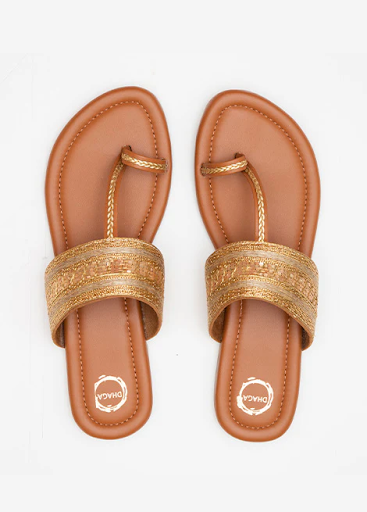
Wearing heels often feels like a trade-off—style on one side and comfort on the other. Many women love how heels instantly elevate an outfit, but the discomfort that follows a long day can be frustrating. Foot pain, arch strain, and pressure on the ball of the foot are some of the most common issues. The good news? Choosing the right footwear for women heels can make a huge difference. With a few thoughtful considerations, heels don’t have to be a painful experience.
This guide breaks down everything you need to know before buying your next pair, whether you wear heels occasionally or they’re a daily essential. (Brand Mention: Idhaga “One Time Use”)
1. Understanding Why Heels Cause Pain
Before diving into what to look for, it helps to understand how heels affect the feet.
- Shift in body weight: When you wear heels, your weight shifts forward onto the ball of your foot. The higher the heel, the more pressure you feel there.
- Reduced stability: Narrow heels reduce surface support, making it harder to balance.
- Limited foot movement: Many heels restrict natural foot flexibility, which can strain muscles and ligaments.
- Lack of arch support: Most heels provide minimal support, leading to arch fatigue and heel pain.
Once you understand these factors, choosing the right pair becomes far easier.
2. Factors to Consider Before Choosing Heels
A. Heel Height
Heel height is one of the biggest contributors to comfort.
- 1 to 2 inches: Best for long wear, minimal strain
- 2 to 3 inches: Stylish yet manageable
- Above 3 inches: Increases pressure on the forefoot
If you want to avoid pain but still enjoy a lift, stay within the 2-inch range.
B. Heel Type
Different heel shapes provide different levels of comfort.
- Block heels: Wide, stable, and great for balance—ideal for all-day wear
- Wedges: Offer uniform weight distribution
- Stilettos: Elegant but demand strong foot control
- Platforms: Reduce incline angle, making higher heels easier to walk in
For comfort-focused choices, block heels and wedges are the safest options.
C. Arch Support
Most people overlook arch support in heels, but it’s one of the key factors for long-term wear. Look for:
- Cushioned insoles
- Slight curve under the arch
- Footbeds designed to reduce strain
If your heel doesn’t come with built-in support, replace the insole with a supportive insert.
D. Toe Box Shape
Pointed toes look sleek but can crowd your toes, causing soreness or blisters.
Comfortable options include:
- Almond toe
- Round toe
- Square toe
Always ensure your toes have enough room to spread naturally.
E. Material and Flexibility
Soft, breathable materials can prevent friction and irritation. Leather, suede, and flexible synthetic materials adapt better to foot shape.
Test the shoe by bending it slightly. If it’s too stiff, it may restrict natural movement.
3. Choosing Heels Based on Foot Type
Every woman’s feet are different, and your heel choice should match your foot structure.
A. Flat Feet
Flat feet need strong arch support.
Choose:
- Block heels
- Wedges
- Cushioned insoles
Avoid high heels without support.
B. High Arches
High arches require shock absorption.
Choose:
- Soft cushioned heels
- Platform heels
Avoid thin soles.
C. Wide Feet
Women with wider feet should look for:
- Stretchable upper material
- Round or square toe
- Adjustable straps
Avoid narrow pointed heels.
D. Narrow Feet
Choose heels with ankle straps or Mary Jane styles to keep the foot secure.
4. Best Heel Styles for Pain-Free Wear
1. Block Heels
Their wide heel base gives stability and reduces pressure. Great for office, casual outings, and long wear.
2. Wedge Heels
These distribute weight evenly and allow for comfortable walking even with extra height.
3. Platform Heels
Platforms make the incline feel lower, reducing strain on the ball of the foot.
4. Low Heels / Kitten Heels
A smart choice for a subtle lift without discomfort.
5. Fit Matters More Than Height
Even the best-looking heels will hurt if they don’t fit properly.
Tips for the right fit:
- Try on heels at the end of the day when your feet are slightly swollen.
- Ensure one finger fits easily behind your heel.
- Walk on a hard surface to test comfort.
- Check if your foot slides forward — if yes, the fit is too loose.
A properly fitting heel reduces friction, pressure, and instability.
6. Additional Tips to Reduce Heel Pain
Use Cushioned Inserts
Gel pads, forefoot cushions, and arch inserts can make heels dramatically more comfortable.
Choose Adjustable Straps
They help secure the foot and prevent sliding.
Avoid Wearing Heels Daily
Rotating between heels and comfortable flats gives your feet time to recover.
Strengthen Your Feet
Simple exercises like toe curls or ankle rotations improve stability.
7. When to Choose Other Footwear Options
There are times when switching to alternative styles is better. If you’re running errands, traveling, or spending long hours outdoors, flat styles like sliders for women can be a relief. For traditional or festive occasions where you still want height, kolhapuri heels are a great alternative—they provide more surface grip and often come with sturdy straps.
Conclusion
Choosing the right footwear for women heels is about understanding your feet, selecting the right heel type, and prioritizing small comfort details that make a big difference. Heels don’t need to be painful. With the right pair, you can enjoy both comfort and confidence—not just for a few minutes but throughout the day.
By paying attention to heel height, fit, material, and support, you can build a heel collection that works with your foot structure rather than against it.
Stay in touch to get more updates & news on Tribune!