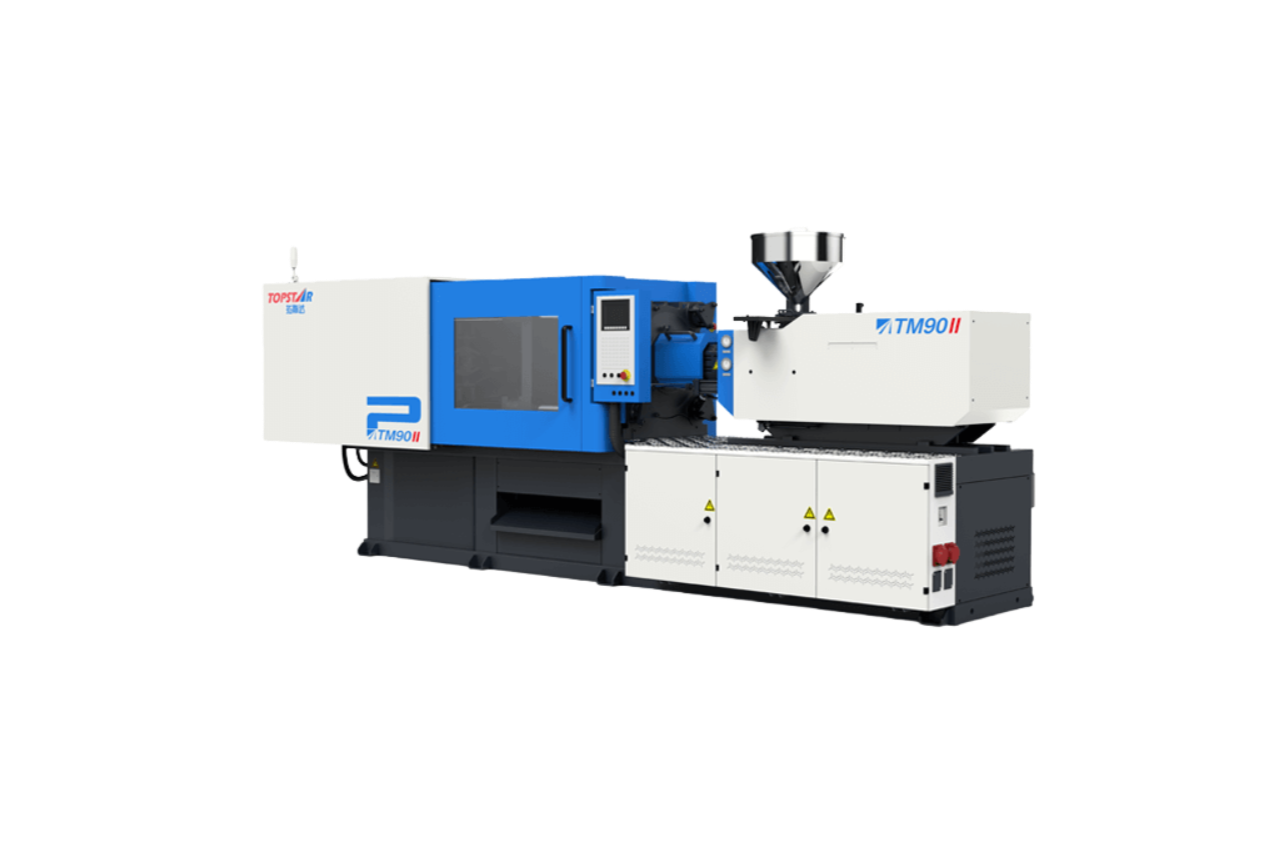
For factories that rely on injection molding machines, the ability to collect, analyze, and apply process data can significantly improve production efficiency, product quality, and overall profitability. Recent studies have shown that factories integrating real-time data monitoring into their injection molding machine operations achieve 20% to 30% higher output than those without data-driven control systems.
However, many manufacturers still struggle to understand how to effectively utilize process data from molding machines—from cycle time and injection pressure to temperature and screw speed—to make actionable decisions that improve productivity.
Process Data in Molding Machine
Before delving into optimization, it is essential to understand what the process of data in molding machines means. Process data refers to the measurable parameters that define how an injection molding machine operates, such as injection speed, pressure, melt temperature, cooling time, and clamp force. These parameters play a crucial role in determining cycle time, energy consumption, and part quality.
Modern injection molding machines equipped with digital sensors and PLC-based control systems continuously monitor these variables. The collected data enables operators to visualize the entire molding process in real time. For example, if injection pressure exceeds the optimal threshold, the system triggers an alarm to prevent material waste or potential mold damage.
The Role of Intelligent Control in Molding Machine
Injection molding machines are more than just mechanical systems; they are intelligent devices integrated with sensors, control software, and data connectivity. Advanced control technologies, such as PID algorithms and servo hydraulics, enable the machines to respond to process fluctuations dynamically.
A molding machine can record data from each cycle, including injection speed, pressure profile, and mold temperature, and compare it to benchmark parameters. This ensures repeatability and allows manufacturers to fine-tune process conditions automatically. Furthermore, integrated human-machine interfaces (HMIs) and digital dashboards can visualize key performance indicators (KPIs) such as cycle consistency, shot-to-shot variation, and machine utilization. Using this information, production managers can make data-driven decisions to reduce cycle times, balance multiple machines, and increase production output.
Utilizing Molding Machine Data to Optimize Cycle Time
Cycle time is the core of injection molding production. Every second saved in the injection molding cycle directly translates into increased production and reduced manufacturing costs. By leveraging injection molding machine process data, engineers can break down each cycle into measurable stages, such as injection, cooling, and ejection, and analyze where delays occur.
Data logging enables technicians to visualize temperature fluctuations, inefficient cooling, or slow clamping operations, which can add unnecessary time to each cycle. For example, process data may reveal that coolant temperature exceeds optimal limits after several hours of operation. Adjusting cooling parameters or improving mold water circulation can reduce overall cycle time by 5-10%. Furthermore, injection molding machines equipped with energy consumption monitoring systems can help operators assess how machine behavior affects speed and efficiency. Combined with statistical process control (SPC) software, these insights facilitate continuous improvement.
Enabling Predictive Maintenance and Reducing Downtime Through Data Analysis
Unplanned downtime remains one of the most costly challenges in injection molding operations. However, by analyzing process data collected from injection molding machines, manufacturers can shift from a reactive to a predictive maintenance strategy.
Data trends such as elevated hydraulic oil temperature, increased injection pressure variability, or extended cooling times often indicate emerging problems. With a connected monitoring system, these anomalies can trigger early alerts, enabling technicians to perform targeted maintenance before the molding machine fails. For example, an injection molding machine may record a gradual increase in motor power consumption, potentially to compensate for component wear or accumulated friction. Promptly resolving problems not only prevents breakdowns but also extends the lifespan of the machine.
Leveraging Process Data to Improve Product Quality and Consistency
Quality consistency is one of the most significant advantages of using process data from injection molding machines. Even slight deviations in temperature or pressure can result in dimensional inconsistencies, flash, or voids in molded parts. By monitoring and analyzing process data in real time, manufacturers can detect and correct these issues early.
For example, when an injection molding machine continuously measures and records injection speed and cavity pressure, engineers can set upper and lower control limits. If the process deviates from these limits, adjustments can be made automatically or an alarm can be triggered for operator intervention. This approach not only reduces scrap rates but also improves customer satisfaction by ensuring product consistency. Furthermore, correlating process data with inspection results provides insight into which parameters have the most significant impact on product quality.
Data-driven production is the future of injection molding.
Effectively leveraging process data from injection molding machines is one of the most effective ways to increase production, improve quality, and extend machine life. By analyzing key parameters, implementing predictive maintenance, and integrating intelligent control systems, manufacturers can achieve unprecedented efficiency and precision.
Keep an eye for more latest news & updates on Tribune!