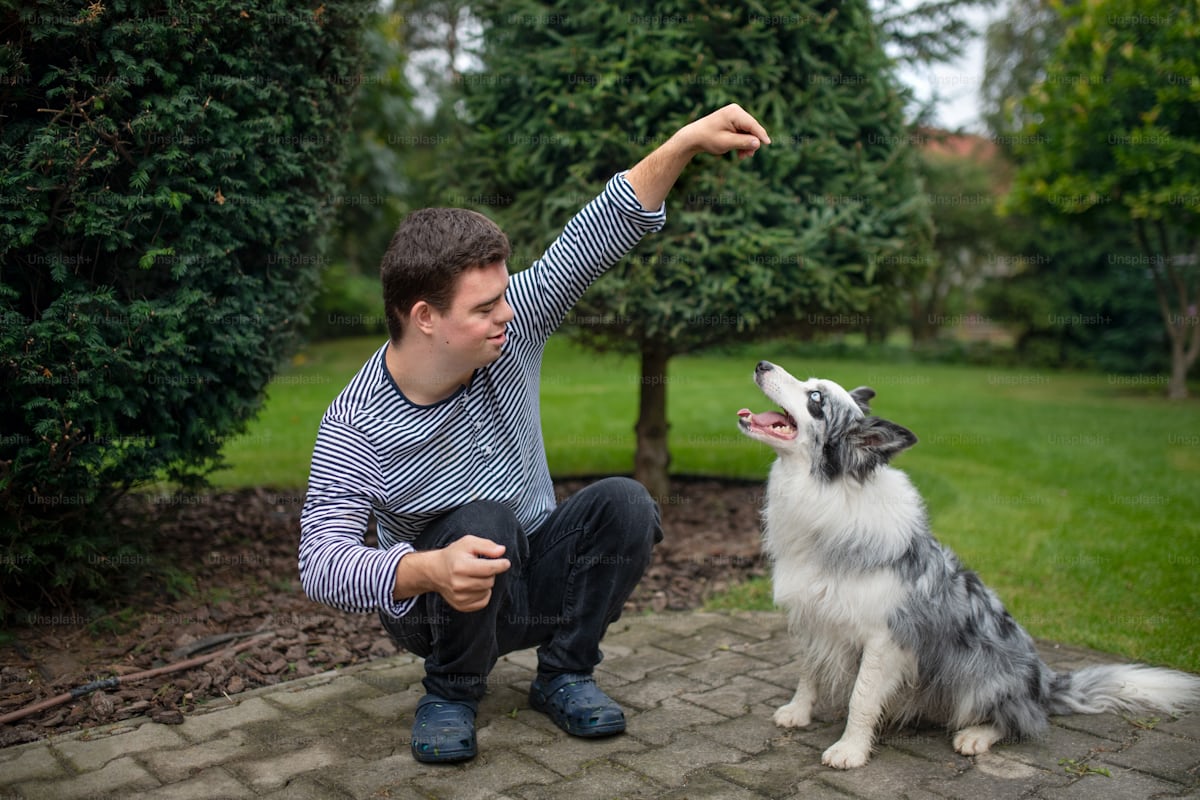
Many people misunderstand what it means to “lead” a dog. Leadership doesn’t come from dominance, raised voices, or strict control ,it comes from calm consistency, clarity, and trust. The best relationships between people and their dogs are built not on fear or force, but on respect and reliability. This is the foundation of successful dog training Collingwood programs, where the goal is not obedience through control, but cooperation through connection.
Dogs, by nature, seek guidance. They thrive when they understand what’s expected of them and when they can rely on their human’s steady energy. When leadership is missing or inconsistent, dogs often fill the gap with anxiety, hyperactivity, or defiance ,not because they want to misbehave, but because they’re uncertain about who’s in charge.
True leadership is quiet, confident, and compassionate. Here’s how you can embody it ,and build a better bond with your dog in the process.
1. Leadership Isn’t Control ,It’s Clarity
One of the biggest misconceptions in the dog world is that being a leader means being “the boss.” People assume they need to dominate their dogs to earn respect. But control and leadership are not the same thing.
Control is reactive ,it uses commands, corrections, and sometimes frustration to keep a dog in line. Leadership, on the other hand, is proactive ,it prevents confusion by setting clear boundaries and consistent expectations long before a problem arises.
Why Dogs Crave Clear Leadership
Dogs are pack animals by instinct. In every social structure, someone leads ,not through intimidation, but through confidence and calm. In nature, the leader decides when to move, when to rest, and how to react to new situations. The rest of the group follows because the leader’s energy feels safe and predictable.
At home, your dog looks for the same stability. When they sense calm direction, they relax. When they sense anxiety, tension, or inconsistency, they become uncertain and may start testing boundaries.
Calm Energy Over Loud Commands
Yelling, chasing, or correcting out of anger doesn’t communicate leadership ,it communicates instability. Dogs don’t understand words the way humans do; they read your tone, your body, and your energy.
If your posture says tension, if your voice says frustration, your dog picks up on it instantly. The most balanced dogs respond not to volume, but to quiet assurance.
Real leadership means this: your dog listens because they trust you, not because they fear you.
2. Communication Beyond Words: How Dogs Read You
The secret to great leadership isn’t what you say ,it’s what you show. Dogs live in the present moment, constantly scanning for nonverbal cues. They read energy, movement, and consistency far better than they understand speech.
Your Body Language Is Your Most Powerful Tool
A calm, upright stance tells your dog you’re in control. Quick movements, hovering, or fidgeting convey uncertainty. Dogs pay attention to:
- Posture: Standing tall but relaxed signals confidence.
- Eye contact: Soft, steady eye contact invites connection; hard staring can feel confrontational.
- Breathing: Slow breathing calms your dog; shallow breathing signals stress.
- Movement: Leading with smooth, deliberate motion tells your dog where to go without a word.
Your dog constantly mirrors you. If you’re relaxed, they’ll match that energy. If you’re anxious, they’ll react in kind.
The Power of Timing and Consistency
Dogs thrive on predictable cause-and-effect. If jumping earns attention one day but a “no” the next, confusion sets in. Mixed signals erode trust faster than mistakes ever could.
Consistency in your tone, timing, and boundaries teaches your dog how to succeed. For instance, if you expect your dog to sit before meals, expect it every time. The repetition doesn’t bore them ,it reassures them.
Silent Leadership in Action
Sometimes the most powerful thing you can do is nothing. If your dog is barking for attention, ignoring them calmly communicates that barking doesn’t work. If they settle quietly, that’s when your affection reinforces the right behavior.
Dogs are natural followers when they feel safe. Your calm silence often says more than a dozen commands.
3. Boundaries, Not Battles: Building Structure That Feels Fair
Good leaders don’t shout ,they guide. They create structure that feels safe and fair, helping dogs understand where freedom begins and ends. Without structure, dogs become stressed, overexcited, or pushy, not because they’re “bad,” but because they’re lost in the absence of clear guidance.
Why Boundaries Reduce Anxiety
Dogs find comfort in rules. When they know what to expect, they don’t have to make decisions ,and decision-making is stressful for them. Leadership isn’t about restricting joy; it’s about preventing chaos.
Think of boundaries as invisible guardrails. They don’t confine; they direct.
Practical Ways to Create Structure
- Controlled entries and exits: Don’t let your dog bolt through doors. Make them wait until you release them. This teaches patience and reinforces that you control movement.
- Space awareness: Invite your dog into your space instead of allowing them to demand attention. This small shift reinforces respect.
- Feeding rituals: Calm, consistent feeding times remind your dog that you manage essential resources ,a natural leadership cue.
- Walks with purpose: You lead the walk, not the other way around. Keep your pace steady, and expect focus without tension.
These habits establish calm authority without force. Over time, your dog begins to look to you for direction, not permission.
Avoiding the “Alpha Myth”
Decades ago, dog training was rooted in the idea of “alpha” dominance ,that humans needed to overpower dogs to assert control. Science has long debunked this. In reality, dogs respond better to cooperative, trust-based leadership than intimidation.
Instead of forcing submission, think of it as earning cooperation. Leadership through mutual respect creates calm followers; dominance through fear creates nervous ones.
4. The Emotional Side of Leadership: Calm, Not Controlling
Dogs are emotional mirrors. They reflect your internal state more than your instructions. This is why anxious people often have reactive dogs, and calm handlers can quiet even high-energy breeds.
Emotional Regulation Starts with You
If you want a calm dog, you have to become calm yourself. That means learning to manage frustration when training gets tough, or when your dog’s behavior isn’t perfect. Every time you react with tension or anger, your dog’s stress spikes too.
Instead, practice neutrality. When your dog makes a mistake, take a slow breath. Reset. Guide them back to the desired behavior gently. The more composed you are, the faster they’ll learn.
Compassion Over Correction
Dogs learn best through positive association. When they get it right, reward them calmly ,not with high-pitched excitement, but with quiet acknowledgment. Over-excitement often re-energizes them, undoing your calm leadership.
When they get it wrong, don’t punish ,redirect. If they chew a shoe, offer a proper toy instead. If they bark at the door, lead them away and reward quiet.
You’re teaching through empathy: showing them how to succeed rather than punishing them for failure.
Why Yelling Never Works
Raising your voice doesn’t assert control; it confuses your dog. Loud tones communicate instability ,the exact opposite of leadership.
Dogs rarely respond to volume; they respond to energy. A calm whisper paired with consistent direction carries far more authority than shouting. Leadership built on composure earns trust.
5. From Companion to Teammate: Strengthening the Bond Through Trust
The ultimate goal of leadership isn’t obedience ,it’s partnership. When your dog trusts you completely, they’ll follow your lead naturally, even in distraction or stress. That trust is built one small, consistent action at a time.
Trust Comes from Predictability
Every time you show your dog that your reactions are steady and fair, you deposit trust in the “relationship bank.” Every time you react unpredictably ,snapping one day, laughing the next ,you withdraw from it.
Trust grows when your dog knows:
- You won’t overreact.
- You’ll guide, not punish.
- You’ll remain calm in uncertainty.
When dogs feel safe with you, they stop overreacting to the world around them.
Routine as a Trust Builder
Consistency in daily habits ,feeding, walking, quiet time ,gives your dog a map of their world. Dogs that understand routine are less anxious, more focused, and less likely to act out.
Small rituals matter: waiting before walks, sitting before meals, or calmly entering new spaces. Each one reinforces a silent agreement ,“You can rely on me to lead you.”
The Reward of True Leadership
When you shift from commanding to leading, everything changes. Walks become smoother. Training becomes easier. Your home becomes calmer. Most importantly, your relationship deepens.
Your dog stops testing you because they no longer need to. They’ve learned that you’ll always make fair, confident decisions ,the kind of leader they instinctively want to follow.
Leadership Through Connection, Not Control
The idea of leadership in dog training has evolved ,and for good reason. Modern understanding shows that dogs don’t thrive under domination, but under clarity, patience, and compassion. The best leaders are quiet, emotionally balanced, and consistent.
When you stop trying to control your dog and start guiding them, you’ll notice the shift almost immediately. They’ll begin to check in with you more often, calm faster, and mirror your behavior.
Leadership isn’t about proving authority; it’s about providing security. When your dog feels safe in your presence, they’ll give you their trust ,willingly, completely, and joyfully.
So the next time you’re tempted to shout, pause. Breathe. Communicate through calm energy, clear boundaries, and steady actions.
That’s the kind of leadership every dog not only respects ,but truly wants.