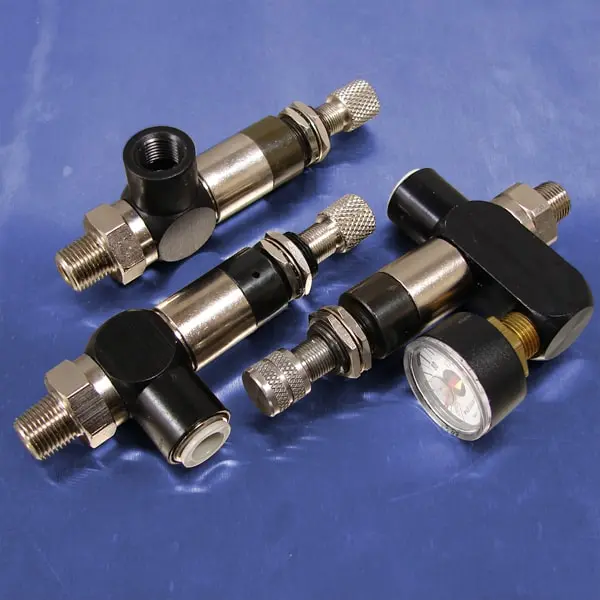
An electronic proportional pressure regulator controls pressure using an electrical signal and usually costs more than a simple manual valve. Whether it is worth the price depends on how you use it, how long you plan to keep it, and how much you value steady, repeatable pressure.
Three key cost factors to consider
- Upfront cost
You pay more to buy the device. Parts and wiring add to the price. Installation may take longer than a manual valve. - Operating cost
The device needs electricity to run, and it may require regular maintenance. In some systems, it helps save energy by keeping the pressure at the perfect level. But in other systems, the energy usage and maintenance can increase the overall cost. - Hidden costs and savings
There are a few costs that are hidden, and you may experience them during the process. It may include repairing damaged parts, fixing mistakes, and wasting materials. But an electric pressure regulator minimizes all of these risks and saves your money in the long run.
Three benefits consider
- Better control
The regulator keeps pressure steady and lets you change pressure with just a signal. This way, you can set your workflow on automation. This really helps when the system needs to deal with repeated moves. - Less waste
When pressure stays correct, you use less air or fluid. That saves money on the things you use and also reduces wear on parts. - Faster setup and fewer mistakes
You set values from a controller, and the device adjusts itself. This eliminates the chance of human error and speeds up the production process.
A simple math example
Imagine a machine that wastes $30 of material each week because pressure varies. An electronic proportional pressure regulator costs $1,200 and saves that $30 every week.
$30 per week × 52 weeks = $1,560 saved each year.
In this example, the electro pneumatic regulator pays for itself in less than one year. Your numbers may differ, but the idea is the same: compare how much you spend and how much you save.
When it makes sense to buy one
- You run many cycles every day and need the same result every time.
- Your process costs a lot when the pressure is wrong.
- You want to automate pressure changes from a control system.
- You expect to keep the equipment for several years.
When a cheaper option is fine
- You run a low-volume process with little change in pressure.
- The work tolerates small pressure swings.
- You need a low-cost, simple solution for a short-term project.
How to decide in three steps
- List costs — include purchase, power, wiring, and maintenance.
- List savings — include less waste, fewer rejected parts, and time saved.
- Do the math — divide total cost by annual savings to find payback time. Shorter payback means the purchase makes more sense.
Quick buying checklist
- Will it save material or time?
- Can it connect to your controller?
- Do you have staff who can install and maintain it?
- How long will you keep the machine?
Final thought
An electronic proportional pressure regulator may seem expensive at first. If it stops waste, speeds up work, or gives the steady pressure you need, it can both save money and problems in the long run. If your process can bear pressure changes, then a simple and low-cost valve may do the job. Do a quick cost-versus-savings comparison and choose the option that best meets your needs.