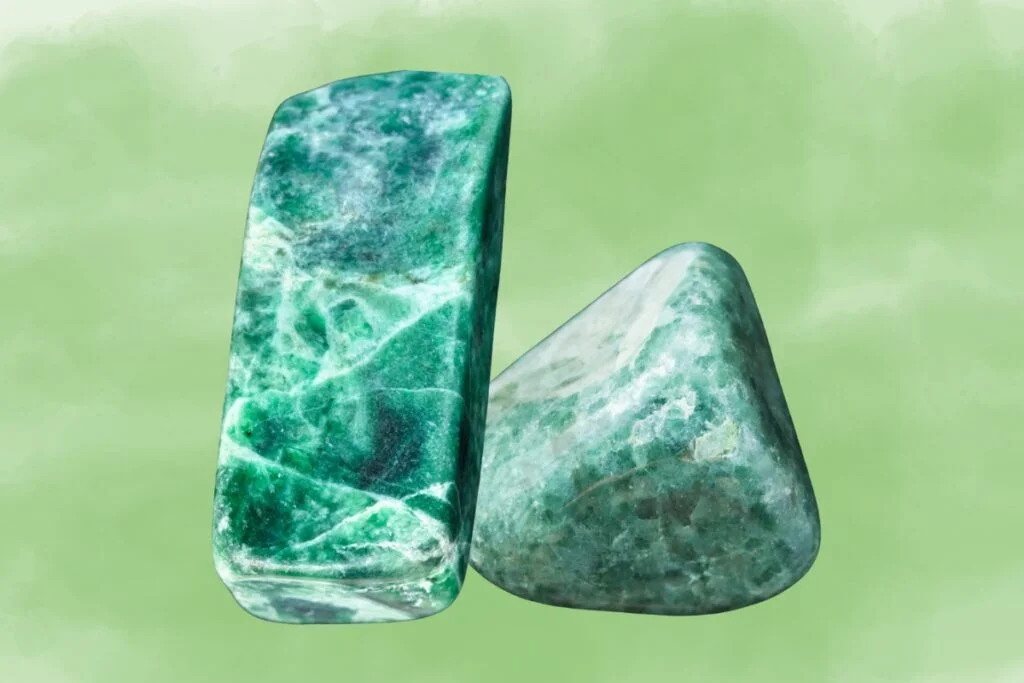
Jadeitový kameň, also known as jadeite, is one of the most revered gemstones in the world. Known for its captivating colors, incredible durability, and deep cultural significance, jadeite has been cherished by civilizations for centuries. Unlike many other gemstones, jadeite offers more than just aesthetic beauty; it carries profound symbolic meanings and plays an important role in the arts, jewelry, and spiritual practices across the globe. In this article, we will explore the various properties of jadeitový kameň, its uses, and its value in today’s market, along with its historical and cultural significance.
What Is Jadeitový Kameň (Jadeite)?
A Unique Mineral with Remarkable Properties
Jadeitový kameň belongs to a mineral family called pyroxenes, and its chemical composition is primarily sodium-aluminum silicate. It is a rare and highly prized form of jade, distinct from its cousin nephrite, which is more commonly found and less expensive. Jadeitový kameň forms under high pressure and moderate temperature within metamorphic rocks, which gives it its remarkable hardness, durability, and resistance to breaking.
The most celebrated feature of jadeite is its intense and vibrant colors, ranging from various shades of green to lavender, white, and even black. The imperial green variety, a deep emerald color with semi-translucent clarity, is particularly valuable, and it is the one most highly sought after by collectors and jewelers alike.
The Rarity of Jadeite vs. Nephrite
While both jadeite and nephrite are categorized under the umbrella term “jade,” they differ significantly in terms of composition, structure, and market value. Jadeite, with its higher density and brilliant translucency, is the rarer and more expensive variety. Nephrite, on the other hand, is softer and more fibrous, which makes it suitable for carving but less valuable compared to jadeite.
| Property | Jadeitový kameň (Jadeite) | Nephrite |
| Mineral Group | Pyroxene | Amphibole |
| Hardness (Mohs) | 6.5–7 | 6–6.5 |
| Density | 3.3 | 2.9–3.1 |
| Color Range | Wide (green, lavender, black) | Mostly green, white, brown |
| Transparency | Semi-translucent to opaque | Opaque |
| Market Value | Very high | Moderate |
The Formation and Global Sources of Jadeitový Kameň
Natural Origins of Jadeite
Jadeitový kameň forms primarily in subduction zones, where oceanic crust is pushed beneath continental plates. In these zones, intense pressure and sodium-rich fluids react with aluminum silicates, leading to the crystallization of jadeite. This process is rare, making high-quality deposits of jadeite even more precious and difficult to find.
Notable Deposits Around the World
The most famous source of jadeitový kameň is Myanmar (Burma), where regions like Hpakan and Tawmaw produce the world-renowned “imperial jade,” known for its vibrant green color and exceptional translucency. Other notable deposits exist in Guatemala, Japan, Russia, Kazakhstan, and even parts of the United States, though the quality and vibrancy of jadeite from these regions can vary.
| Country | Notable Deposits | Color Characteristics |
| Myanmar (Burma) | Hpakan, Tawmaw | Deep emerald green (imperial jade) |
| Guatemala | Motagua Valley | Blue-green, lavender, white |
| Japan | Itoigawa | Pale green, white |
| Russia | Polar Urals | Greenish-gray |
| USA | California | Light green, mottled |
Geological Conditions for Jadeite Formation
For jadeite to form, the following conditions must be met:
- High-pressure, low-temperature environments typically found in subduction zones.
- Sodium-rich hydrothermal fluids that foster the crystallization of jadeite.
- Tectonic uplift to bring the crystals to the Earth’s surface.
These rare conditions make jadeite a prized and sought-after gemstone, often difficult to acquire in large quantities.
The Color Variations and Value of Jadeitový Kameň
The Many Shades of Jadeite
The beauty of jadeitový kameň lies not only in its colors but also in the way its hues are affected by the presence of various trace elements. Chromium, for example, imparts the vibrant green of imperial jadeite, while manganese may cause lavender or violet shades. Blue jadeite, another rare and prized variety, owes its unique color to iron or titanium inclusions.
Some of the most sought-after varieties include:
- Imperial Green Jadeite: A rich, translucent emerald green that commands the highest prices.
- Apple Green Jadeite: A bright and lively green, with good translucency.
- Lavender Jadeite: A rare, soft violet-toned variety, highly valued for its unique color.
- Blue Jadeite: A cool-toned variety with gray undertones, extremely rare and prized.
- White Jadeite: Known for its milky, translucent appearance, often symbolizing purity.
- Black Jadeite: Opaque and dark, frequently used in masculine jewelry designs.
The Impact of Transparency, Texture, and Finish on Value
When it comes to jadeite, color is the most important factor in determining its value. However, transparency and texture also play a significant role. Semi-translucent jadeite that allows light to pass through, creating a glowing effect, is considered more valuable than opaque stones. Similarly, smooth, finely-grained jadeite is easier to polish, which enhances its brilliance and visual depth.
Identifying Authentic Jadeitový Kameň
How to Verify Genuine Jadeite
The market for jadeite is filled with imitations, so knowing how to distinguish real jadeite from synthetic or treated stones is crucial. Gemological tests are the most reliable way to authenticate jadeite.
Common testing methods include:
- Spectroscopy (FTIR or Raman): Identifies the mineral’s molecular signature.
- X-Ray Diffraction (XRD): Confirms the crystalline structure of jadeite.
- Specific Gravity Tests: Real jadeite has a density of about 3.3, distinguishing it from other minerals.
- Microscopic Examination: Identifies dye, polymer treatments, or artificial inclusions.
- Refractive Index Measurement: True jadeite typically has a refractive index of 1.66.
Common Treatments and How to Spot Them
Many jadeite stones are treated to enhance their color or translucency. The most common treatments include:
- Bleaching (Type B): Removes natural stains and enhances the color.
- Polymer Impregnation: Used to increase translucency.
- Dyeing (Type C): Adds color to pale stones, often producing brighter, more vivid hues.
- Combination Treatments (Type B+C): Both bleaching and dyeing are used.
It is essential to ensure the jadeite is certified as Type A (untreated) if you are seeking high-quality, natural jade.
Modern Uses of Jadeitový Kameň
Jewelry and Decorative Pieces
Jadeitový kameň remains one of the most coveted materials in the jewelry industry, particularly in high-end pieces like rings, bracelets, and pendants. Due to its incredible toughness, jadeite is also ideal for intricate carvings and polished cabochons, making it a favorite in the creation of luxury jewelry items. Antique jadeite artifacts are especially prized by collectors due to their historical and cultural significance.
Wellness and Spiritual Uses
In modern wellness practices, jadeite has seen a resurgence, particularly through tools like gua sha stones and facial rollers. Many believe jadeite has healing properties, such as improving circulation, reducing stress, and promoting emotional balance, though these claims are not scientifically verified.
Sculptures and Art Pieces
Jadeite has a long history of use in creating sculptures and ceremonial objects. Artisans continue to carve jadeite into intricate figurines, seals, and objects of spiritual significance. These works often symbolize strength, prosperity, and protection, making jadeite an enduring material for both artistic expression and cultural rituals.
The Value and Investment Potential of Jadeitový Kameň
Factors That Influence Jadeite’s Price
The price of jadeite is primarily determined by its color, transparency, and texture. Imperial green jadeite, with its vibrant, translucent green color, commands the highest prices, followed by lavender and blue varieties. Additionally, the origin of the stone and the certification of authenticity significantly influence its value.
- Color and Purity: Stones with vivid color and minimal inclusions are the most valuable.
- Transparency: Semi-translucent jadeite fetches premium prices.
- Texture and Finish: Smooth, high-quality jadeite is the most desirable.
- Treatment: Untreated (Type A) jadeite is worth significantly more than treated stones.
Investing in Jadeite
Due to its cultural significance and rarity, jadeite can be an excellent investment. High-quality jadeite, especially from Myanmar, has shown resilience in the market, with demand in Asia consistently driving prices up. However, as with any gemstone, it’s important to verify authenticity and work with trusted dealers to ensure a sound investment.
Conclusion
Jadeitový kameň is not just a gemstone; it is a piece of history, culture, and spiritual symbolism. With its rich hues, unique properties, and deep cultural significance, jadeite continues to be one of the most valued gemstones in the world. Whether used for fine jewelry, ceremonial art, or wellness practices, jadeite remains a timeless treasure with both aesthetic and monetary value. For collectors, jewelers, and investors alike, understanding the characteristics and authenticity of jadeite is essential for appreciating its full worth.
FAQs About Jadeitový Kameň
1. What is jadeitový kameň?
Jadeitový kameň, or jadeite, is a rare and valuable gemstone known for its vibrant colors, high durability, and cultural significance.
2. How is jadeitový kameň different from nephrite?
Jadeite is harder, denser, and more translucent than nephrite, making it more valuable. It also has a broader range of colors.
3. How can I authenticate jadeitový kameň?
Authentic jadeite can be tested using methods like spectroscopy, X-ray diffraction, and specific gravity tests. Always request certification from reputable gem labs.
4. Why is imperial green jadeite so valuable?
Imperial green jadeite’s deep emerald color and semi-translucency make it the most prized and valuable form of jadeite.
5. What are the healing properties of jadeitový kameň?
While jadeite is not scientifically proven to have healing effects, it is believed in some cultures to promote emotional balance and well-being.