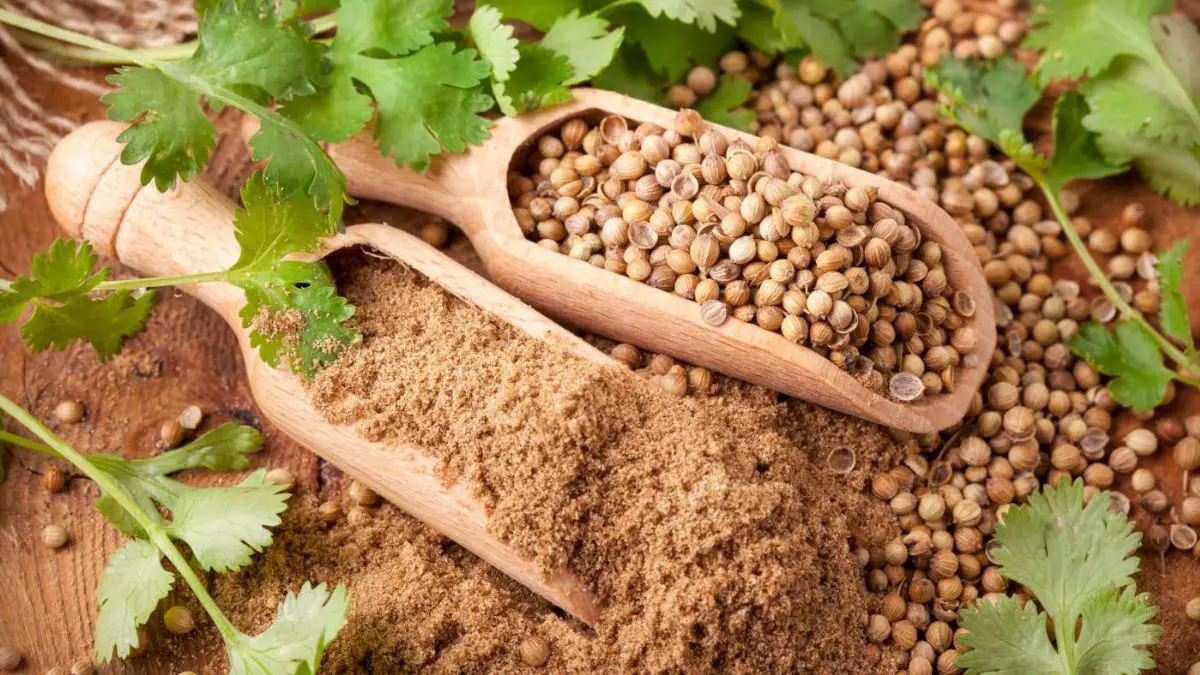
Koriandri, widely recognized as coriander or cilantro, is a herb that has captured the attention of cultures around the world for centuries. From kitchens to traditional medicine, its leaves, seeds, and roots have been valued not only for their distinct flavor but also for their remarkable health benefits. Despite being a common culinary staple, many people are only familiar with koriandri as a garnish or a spice. In reality, this humble herb has a deep history and a multitude of uses that make it truly special.
The History and Origin of Koriandri
Koriandri has a fascinating past that stretches back thousands of years. It is believed to have originated in regions of the Middle East and the Mediterranean, spreading over time to Asia, Europe, and the Americas. Historical records show that ancient Egyptians used coriander in their culinary dishes and even in their burial rituals, highlighting its symbolic and practical importance.
In Indian and Chinese traditions, koriandri has long been prized for its medicinal properties. Ayurvedic medicine describes coriander as a cooling herb that balances the body’s energies, aids digestion, and supports overall health. Similarly, traditional Chinese medicine has used koriandri seeds to treat digestive issues and inflammation. Its global presence over centuries is a testament to its versatility and enduring value.
Culinary Uses of Koriandri
Koriandri is incredibly versatile in the kitchen. Both its fresh leaves and dried seeds are widely used, each offering distinct flavors. Fresh leaves have a bright, slightly citrusy taste that can enhance salads, soups, sauces, and salsas. In many Asian and Latin American cuisines, fresh koriandri is added just before serving to preserve its delicate aroma.
The seeds, on the other hand, have a warm, nutty, and slightly spicy flavor. They are often toasted to release their oils and used in spice blends, curries, stews, and baked goods. Ground coriander seeds are a key ingredient in many curry powders, garam masala, and pickling spices, making them essential in both traditional and contemporary cooking.
Koriandri roots, though less commonly used in Western cooking, are a staple in Thai cuisine. They provide a deeper, earthy flavor in pastes, soups, and marinades. Whether you’re cooking a simple home meal or preparing a gourmet dish, koriandri adds a layer of complexity that few herbs can match.
Nutritional Profile of Koriandri
Beyond its flavor, koriandri is packed with nutrients that support overall health. It is a rich source of vitamins such as A, C, and K, as well as minerals like potassium, calcium, and magnesium. These nutrients are essential for healthy skin, strong bones, and a well-functioning immune system.
Koriandri seeds contain essential oils that contribute to their distinct aroma and have antioxidant properties. These compounds help protect the body against oxidative stress, which can contribute to aging and chronic diseases. Incorporating koriandri into your diet is an easy way to enhance flavor while supporting your body’s nutritional needs.
Health Benefits of Koriandri
Koriandri is more than just a culinary herb—it’s a powerful ally for your health. Here are some of the most notable benefits:
1. Digestive Health
Koriandri has been traditionally used to aid digestion. Its compounds stimulate the production of digestive enzymes, helping break down food efficiently and reducing bloating and gas. Drinking coriander tea or adding fresh leaves to meals can soothe the stomach and support overall digestive comfort.
2. Anti-inflammatory and Antioxidant Properties
The essential oils in koriandri have natural anti-inflammatory effects. Regular consumption can help reduce inflammation in the body, which is linked to many chronic conditions such as arthritis and heart disease. Its antioxidants also combat free radicals, contributing to better cellular health and longevity.
3. Blood Sugar Regulation
Some studies suggest that koriandri may help manage blood sugar levels. Its seeds, in particular, contain compounds that can improve insulin sensitivity and support healthy glucose metabolism. This makes koriandri a valuable addition to a diet aimed at managing or preventing diabetes.
4. Heart Health
Koriandri can also benefit cardiovascular health. Its antioxidants and minerals, such as potassium, support healthy blood pressure and reduce the risk of heart-related issues. Regularly including koriandri in meals may promote a stronger, healthier heart over time.
5. Detoxification and Heavy Metal Removal
Interestingly, koriandri has been studied for its potential to aid in detoxification. Some research indicates that it may help remove heavy metals like lead and mercury from the body, which accumulate from environmental exposure and can negatively impact overall health.
6. Skin and Hair Benefits
Koriandri is not just for internal health; it can enhance skin and hair as well. Its antioxidant properties help combat skin aging, while topical use of coriander extracts may help soothe irritation and reduce acne. For hair, coriander oil or rinses can improve scalp health and promote stronger, shinier hair.
How to Incorporate Koriandri into Your Daily Life
Incorporating koriandri into your routine is easier than you might think. Fresh leaves can be added to salads, sandwiches, and smoothies. Seeds can be used in spice blends, roasted for a snack, or ground into powders for cooking. Coriander tea, made from the seeds, is a soothing way to enjoy its digestive and detoxifying benefits.
For those who enjoy natural remedies, koriandri can also be used in DIY skincare. A simple paste of fresh leaves can be applied to the skin to soothe irritation, or coriander-infused oils can be used for hair and scalp care. The possibilities are endless, making it a versatile addition to both diet and wellness routines.
Growing Your Own Koriandri
One of the joys of koriandri is that it’s easy to grow at home. It thrives in both garden beds and containers, making it accessible even for apartment dwellers. It prefers sunny locations with well-drained soil and regular watering.
Growing your own koriandri ensures a steady supply of fresh leaves and seeds, which often have a more intense flavor than store-bought varieties. Harvesting leaves regularly encourages the plant to produce more, and seeds can be collected once the plant flowers and dries. Not only is this rewarding, but it also gives you control over the freshness and quality of your herb.
Common Misconceptions About Koriandri
Despite its popularity, koriandri is sometimes misunderstood. Some people confuse the leaves and seeds, thinking they taste the same, but fresh leaves have a bright, citrusy flavor while seeds are warm and earthy. Another misconception is that koriandri is just a garnish, when in fact, it can be a central ingredient that transforms the flavor and nutritional value of a dish.
Additionally, some people experience a soapy taste when eating fresh coriander leaves. This is due to genetic differences in taste perception and does not diminish the herb’s nutritional or medicinal benefits.
Conclusion
Koriandri is more than just a kitchen herb—it’s a culinary, medicinal, and nutritional powerhouse. With a history spanning centuries and continents, it has proven its worth not only in flavor but also in health benefits. From improving digestion and regulating blood sugar to supporting heart health and enhancing skin and hair, koriandri is a true gift from nature.
Incorporating koriandri into your daily life is simple and rewarding, whether through cooking, teas, or even natural remedies. Growing your own adds an extra layer of connection to this ancient herb, ensuring you always have access to fresh, vibrant leaves and seeds.
For anyone looking to enhance their meals while supporting overall wellness, koriandri is a herb worth embracing. Its unique flavor, nutritional richness, and holistic benefits make it a timeless addition to both traditional and modern lifestyles.