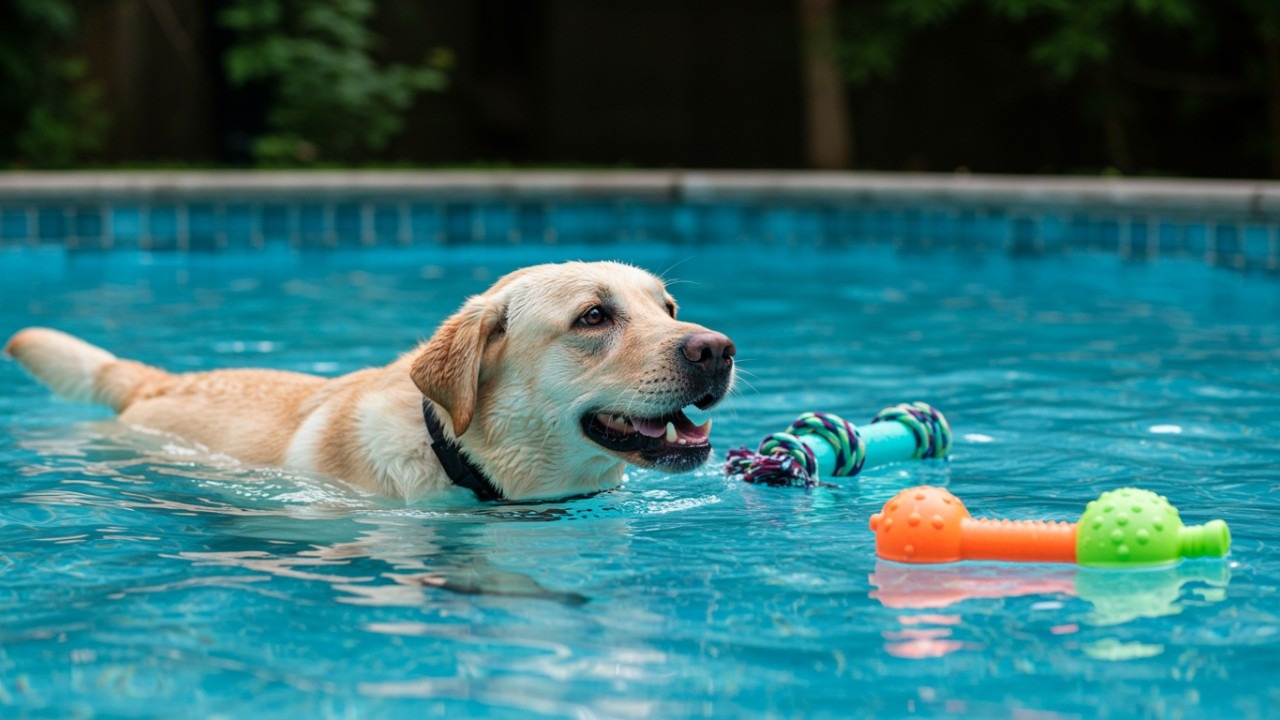
Swimming with your dog is one of the great joys of summer. Seeing your furry friend paddle happily across the water brings a smile to any pet owner’s face. However, once the swimming session is over, the aftermath can be less enjoyable. Dog hair is a persistent and difficult contaminant to manage in a swimming pool. Unlike leaves or bugs, fur is fine, often oily, and has a tendency to weave itself into filter cartridges and pump baskets, causing flow restrictions and cloudy water.
If you frequently let your canine companion take a dip, managing the fur is not just about aesthetics; it is about protecting your pool equipment. A single dog can introduce as much hair and debris as dozens of human swimmers. This guide provides a comprehensive strategy to effectively remove dog hair from your swimming pool and prevent it from damaging your filtration system.
The Impact of Dog Hair on Pool Systems
Understanding why dog hair is problematic helps in addressing it. Dog fur is coated in natural oils, and often, flea treatments or shampoos. When this hair enters the pool, it brings those oils with it, creating a film on the water surface and potentially causing “scum lines” on the tile.
Mechanically, the hair poses a significant threat to your pump. It can bypass standard skimmer baskets if the mesh is too wide, wrapping around the impeller of the pump or deeply embedding itself into the pleats of a cartridge filter. This reduces water flow, increases pressure, and forces the pump to work harder, shortening its lifespan. Therefore, removal is a two-part process: catching it before it sinks and capturing it before it reaches the filter.
Preventative Measures Before the Swim
The most effective way to remove hair is to prevent it from entering the water in the first place. While you cannot stop shedding entirely, you can significantly reduce the volume.
Thoroughly brush your dog before allowing them near the water. A few minutes of brushing can remove loose undercoat that would otherwise end up in your skimmer. Additionally, give your dog a quick rinse with a garden hose before they jump in. This washes away loose fur, dirt, and excess oils. It is a simple step that saves hours of cleaning later.
Optimizing Surface Skimming
Dog hair typically floats for a period before it becomes waterlogged and sinks. This window of time is your best opportunity to capture it. Once it sinks, it becomes much harder to remove.
Standard manual skimming with a flat net is often ineffective because the fine hairs pass right through the mesh. You need a skim net with a fine silt bag or a “drag net” designed for smaller particles.
However, manual skimming is labor-intensive. To automate this, upgrading your surface cleaning technology is highly recommended. A dedicated pool skimmer that patrols the water surface independently is a game-changer for pet owners. These devices move continuously, creating a flow that draws floating hair into a catch basin before it has a chance to sink. By keeping the surface clear, you reduce the load on your main filtration system and keep the water looking pristine.
The Secret Weapon: Skimmer Socks
If you rely on your pool’s built-in wall skimmer, there is one inexpensive accessory you absolutely need: a skimmer sock. This looks like a nylon pantyhose that stretches over the rim of your skimmer basket.
Standard plastic skimmer baskets have holes that are too large to trap dog hair. The hair passes through the basket and heads straight for your pump and filter. A skimmer sock catches this fine debris, trapping the fur while allowing water to pass through. You simply peel the sock off when it is full of hair and throw it away. This simple barrier is the single most effective way to protect your pump impeller and filter cartridges from becoming clogged with fur.
Removing Hair From the Pool Floor
Eventually, some hair will sink. When wet dog hair settles on the bottom of the pool, it tends to clump together with dirt and silt. Vacuuming this up can be tricky with a manual system because the motion of the vacuum head can stir the lightweight hair up into the water column rather than sucking it in.
For this task, a powerful suction is required. Using an independent pool vacuum robot is often the best solution. These robots are designed with internal canisters and fine filters that trap debris without sending it to your main pool filter. This is a crucial distinction. If you manually vacuum dog hair through your main system, you are forcing that hair into your sand or cartridge filter, where it is notoriously difficult to backwash out. By using a robot, you contain the mess in an easy-to-clean basket that you can rinse out with a hose.
Managing Water Chemistry and Enzymes
Dog hair is organic matter. As it breaks down, it consumes chlorine, which can leave your pool vulnerable to algae. Furthermore, the oils associated with the fur can create a barrier that protects bacteria.
To combat this, consider adding an enzyme product to your water maintenance routine. Pool enzymes are designed to break down non-living organic waste, such as fats, oils, and proteins found on dog hair and skin. By breaking these compounds down, the enzymes free up your chlorine to focus on sanitizing the water. This helps prevent the greasy waterline ring often associated with frequent dog swimming.
Cleaning the Filtration System
Even with skimmer socks and robots, some hair will inevitably reach your main filter. If you have a cartridge filter, you will need to clean the cartridges more frequently. When washing them, use a high-pressure nozzle to comb through the pleats from top to bottom. You may need to use a specialized filter degreaser to remove the oils left behind by the dog’s coat.
For sand filters, backwashing alone may not be enough to eject matted hair. You might need to perform a chemical cleaning of the sand bed annually to dissolve the organic buildup that holds the hair in the sand.
Establishing a Post-Swim Routine
Consistency is key. After your dog finishes swimming, run the pump for several hours to cycle the water through your filtration and skimming systems. Check the skimmer baskets immediately. Wet fur dries into a hard, cement-like mat if left in the sun, making it difficult to clean later.
By combining preventative brushing, the use of skimmer socks, and advanced cleaning tools like robotic vacuums, you can enjoy the company of your pet without sacrificing the clarity of your water. It requires a bit more effort than a human-only pool, but for dog lovers, the memories made are well worth the maintenance.