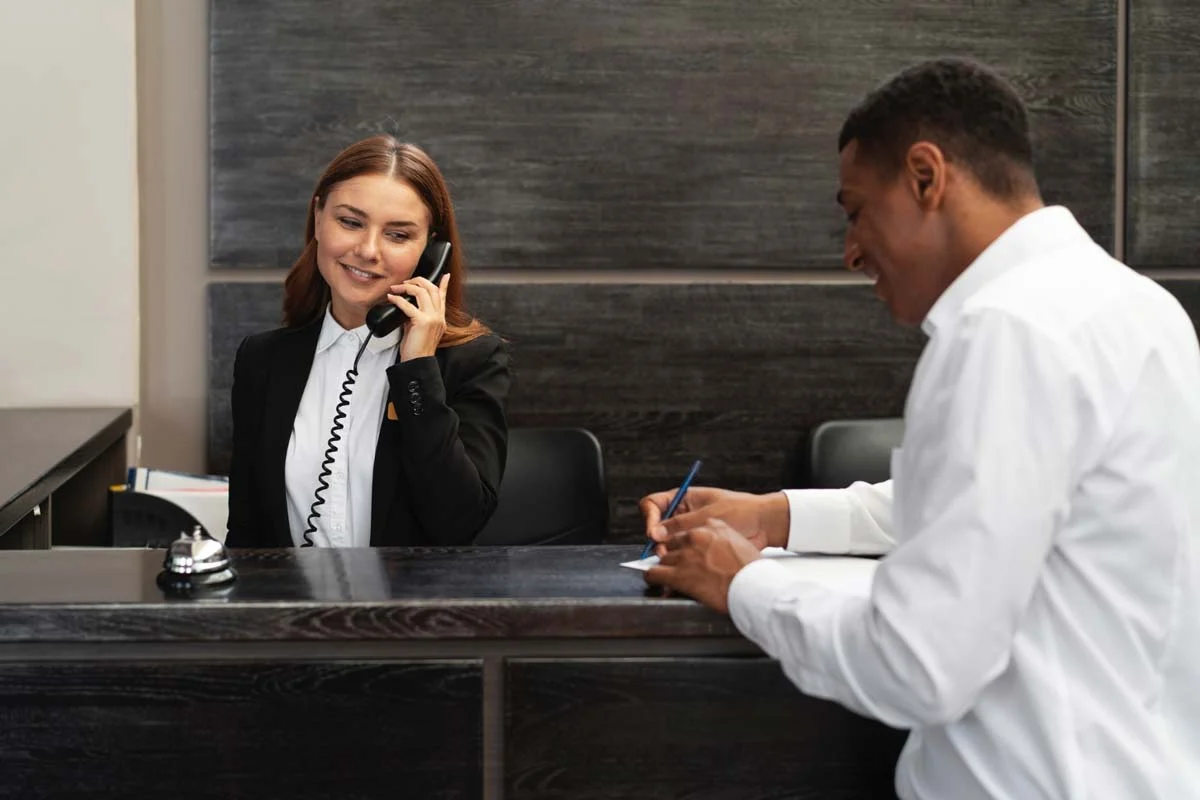
For much of coworking history, the front desk has been the beating heart of workspace operations. It’s where members check in, ask questions, book rooms, pay invoices, and build personal rapport with staff. It has created a sense of presence and security in shared spaces. But as blended work models, hybrid schedules, and remote operations become the norm, the traditional front desk model is fading.
The next chapter of workspace administration looks nothing like a staffed counter with sign-in sheets and paper receipts. Instead, it’s mobile, automated, intelligent, and deeply integrated. Welcome to the evolution of workspace administration where the front desk no longer defines the member experience.
Why the Front Desk Model Is Becoming Obsolete
The Rise of On-Demand Engagement
In the early days of coworking, members worked predictable schedules and physically interacted with staff every day. Staff would greet them in person, answer questions, and handle all administrative tasks manually. But today, coworking members often arrive outside of traditional hours, work from home, or blend space usage with remote collaboration. Relying on staff to be physically present to facilitate every action simply no longer matches member behavior.
Staff Bandwidth vs Member Expectations
Members expect instantaneous responses. They want to book rooms, view invoices, request access, and communicate with workspace teams without waiting in line or sending multiple emails. Doing all of this through a staffed desk not to mention handling contracts, renewals, billing, and community engagement is not scalable or efficient.
Technology Is Redefining Workspace Administration
Mobile-First Control for Operators
The modern coworking admin is no longer tied to a desk or a physical space. Operators can manage their entire workspace including bookings, payments, and member communication from their phones. The Spacebring Admin Mobile App is a prime example of how administration can move out of the office and into your pocket, enabling real-time oversight without being physically present at a front desk.
Mobile admin apps provide instant visibility into bookings, memberships, activity logs, and billing status, helping operators stay connected even when they’re not physically on site.
Automation That Replaces Repetitive Tasks
Where the front desk once served as the hub for repetitive tasks check-ins, billing reminders, booking confirmations, automation has taken over. Booking systems can now automatically assign desks or rooms, handle recurring payments, and notify members of upcoming events or expirations. This shift not only reduces manual work but also eliminates human errors and delays.
Member Experience in a Front Desk-Free World
Seamless Self-Service
Members today prefer autonomy. They want to check in with QR codes, book time through apps, and receive notifications without waiting on staff. A front desk is no longer a dependency; it’s an optional convenience.
Fast, Contextual Support
Rather than standing in line for help, members can get support through in-app messaging, community channels, or instant notifications. When administrators no longer have to manage routine tasks at a desk, they can focus on meaningful engagement and problem-solving.
Making the Transition: What Coworking Spaces Should Do
Invest in Integrated Workspace Software
A fully integrated management platform centralizes operations, member data, billing, bookings, and communications. When this software includes mobile admin capabilities, operators can handle day-to-day tasks without relying on front desk staff.
Automate What Makes Sense
While human connection is still valuable, much of the routine work does not require human intervention. Automate renewals, recurring billing, booking confirmations, and notifications. With automation handling the repetitive elements, staff can focus on strategic tasks like community building or event curation.
Embrace Mobile-First Administration
Mobile admin tools allow on-the-go decision-making and visibility into operations without confinement to a workspace. Managers can approve bookings, handle inquiries, review billing, and monitor usage from their phones, effectively distributing workspace administration beyond a physical desk.
FAQs
Does the front desk still have a place in coworking spaces?
For community presence and hospitality, yes, but it should not be the center of operations. Routine tasks are better handled by software and mobile tools.
How does mobile administration benefit operators?
Mobile tools allow real-time responses, oversight of multiple locations, and instant access to operational data without physical presence.
Will members miss the front desk experience?
Some may miss personal interaction, but most prefer fast, digital solutions that work on their schedule.
Can automation feel impersonal?
When used thoughtfully, automation handles repetitive work while human teams focus on meaningful community engagement.
Is mobile administration secure?
Yes. Modern mobile admin apps use secure authentication and encryption to protect sensitive workspace and member data.
Conclusion
The traditional front desk, once the symbolic heart of coworking operations, is undergoing a quiet revolution. What worked well for decades is no longer aligned with how people work, interact, or expect support today. The workspace of the future is flexible, mobile, and automated.
By embracing tools like the Spacebring Admin Mobile App, coworking operators are moving beyond desk-bound administration to a system where operations are accessible from anywhere. This transition doesn’t diminish community, it empowers both members and operators with speed, responsiveness, and reliability.
The front desk isn’t gone, but its role has evolved. In its place is a smarter, more agile way to run coworking spaces, one where the work gets done, no matter where you are.
Keep an eye for more latest news & updates on Tribune!