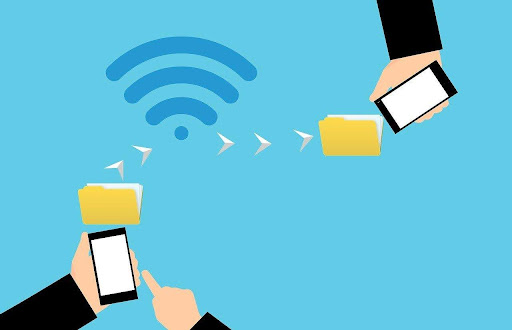
Money has always been more than just coins and notes; it’s a symbol of trust, value, and progress. For centuries, people have found different ways to exchange goods and services, from bartering livestock to handing over paper bills. But in recent decades, the pace of change has accelerated rapidly. Today, money isn’t just something you hold in your wallet; it’s something you move across borders, screens, and apps with just a few taps.
The digital age has redefined convenience. Whether you’re paying bills, shopping online, or sending money to a family member in another state, the process is faster and more accessible than ever before. But with this convenience comes new questions: what’s the safest method, what fees should you expect, and how do you avoid unnecessary delays? Thankfully, modern platforms make these decisions easier by breaking down your options and helping you choose the best way to transfer money depending on your needs.
From Barter to Banks: Early Lessons in Money Transfers
Before modern systems, people relied on bartering. Farmers would trade wheat for tools, and artisans would swap their crafts for food. It worked in small communities, but as societies grew, barter became too complicated. That’s when coins and, later, paper money began to emerge, small, portable, and standardized.
Over time, banks appeared as trusted intermediaries. They provided a safe place to store wealth and developed methods to transfer money securely. Letters of credit, checks, and early banking drafts gave people a way to move funds without carrying heavy bags of coins. These innovations laid the groundwork for the systems we rely on today.
Back then, the challenge of figuring out how to send money safely across distances drove the invention of many tools we still recognize. While today’s methods are faster and more digital, the core concerns haven’t changed: people want speed, safety, and reliability. The difference is that now you can choose from a variety of transfer methods, each with pros and cons depending on your situation. That flexibility didn’t exist centuries ago, and it highlights just how transformative this evolution has been.
The Era of Cash and Checks
For much of modern history, cash was king. Coins and banknotes became symbols of everyday life, used for everything from groceries to wages. Carrying money gave people a sense of control because it was tangible; you could see it, count it, and hand it over in exchange for something valuable.
Checks soon became an important addition. They offered a way to make large payments without carrying stacks of cash. Businesses embraced them for transactions, and households used them for rent, utilities, and personal expenses. However, checks had their limitations. They were slower, required manual processing, and carried the risk of bouncing or being forged. While revolutionary in their time, they eventually gave way to faster alternatives.
Plastic Revolution: Credit and Debit Cards
The second half of the 20th century brought a new innovation: plastic cards. Debit cards allowed people to spend directly from their bank accounts, while credit cards gave them the flexibility to borrow and pay later. Suddenly, carrying large sums of cash was no longer necessary.
Cards made travel and shopping easier, as they were accepted worldwide. They also shifted consumer behavior; people were more likely to spend when swiping a card than when counting cash. But with convenience came risks: credit card debt, overspending, and fraud. Despite these issues, cards still remain one of the most dominant forms of payment around the world today.
Rise of Digital Banking and Online Transfers
The internet reshaped money in ways few predicted. Online banking arrived in the 1990s and early 2000s, giving people the ability to check balances, pay bills, and send money without stepping into a branch. Employers started depositing salaries directly into bank accounts, eliminating the need for paper checks.
Security measures like encryption and two-factor authentication built trust, making people more comfortable with digital transactions. Soon, moving money became as simple as logging into a website.
Mobile Wallets and Peer-to-Peer Apps
With smartphones in nearly every pocket, mobile wallets and peer-to-peer apps became the next big leap. Platforms like PayPal, Venmo, Apple Pay, and Google Pay turned phones into digital wallets. You no longer needed to carry cash or even a card; your phone could handle it all.
Peer-to-peer (P2P) transfers changed social interactions. Splitting dinner bills with friends, paying back a roommate, or sending money to family became instant and effortless. For small businesses and freelancers, mobile payments opened up new opportunities, letting them accept payments without expensive equipment.
This shift also reflected a cultural change. Money became less about physical exchange and more about convenience and flexibility. Transactions started blending into daily life, often happening in the background with just a fingerprint or face scan to confirm.
What’s Next? Biometric Payments, AI, and Beyond
Looking ahead, technology continues to push boundaries. Biometric payments, using fingerprints, voice recognition, or even facial scans, are already being tested. These methods promise both speed and security, reducing the need for passwords or cards.
Artificial intelligence is also entering the space, helping people make smarter financial decisions. Imagine AI analyzing your spending patterns and suggesting better ways to manage your money in real time. Combined with faster networks and smarter devices, the future could bring seamless transactions where money moves automatically, almost invisibly, in the background of everyday life.
Yet, challenges remain. Privacy concerns, digital divides, and cybersecurity threats will need to be addressed as these systems evolve. But one thing is certain: the journey of money is far from over.
The story of money is a story of adaptation. From bartering goods to using coins, carrying cash, writing checks, swiping cards, and now tapping screens, each stage reflects society’s desire for convenience, security, and speed.
Today, digital transfers have become second nature, offering more control and flexibility than ever before. Tomorrow’s innovations, from biometrics to AI, promise to make money even more seamless, though new challenges will always arise.
In the end, money may continue to change form, but the human need behind it remains the same: to move value from one place to another, quickly and safely. And as history shows, every step forward brings us closer to that goal.
Keep an eye for more latest news & updates on Tribune!