Introduction
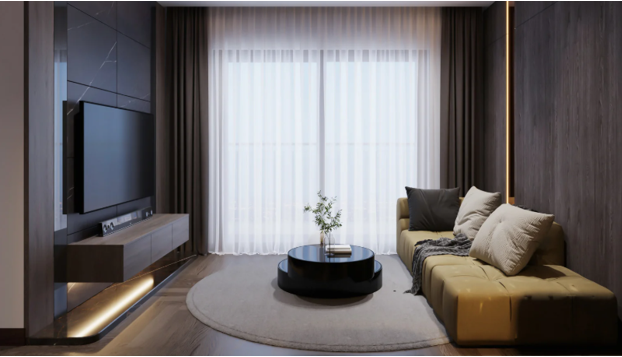
Modern living rooms are no longer defined by rigid layouts or formal seating arrangements. They are evolving into relaxed, flexible environments designed around comfort, connection, and everyday living. Contemporary interiors increasingly reflect how people actually use their spaces, rather than how rooms are traditionally supposed to look. Lounging culture, casual entertaining, and multi-purpose living have reshaped expectations of what a living room should provide.
Informal luxury has become a defining feature of this shift. Instead of structured formality, people now seek softness, openness, and emotional ease in their homes. Comfort-first design does not mean sacrificing elegance. It means redefining it through warmth, simplicity, and usability. Seating is no longer about posture and presentation alone. It is about relaxation, conversation, and freedom of movement.
Low-profile, modular seating reflects this cultural transformation. These designs support flexible lifestyles, changing family dynamics, and evolving daily routines. Living rooms are now spaces for work, rest, socializing, and solitude, often within the same day. Furniture must adapt to these shifts while still maintaining visual harmony and aesthetic quality.
This evolution represents a deeper change in how people relate to their homes. Spaces are becoming more human-centered, emotionally supportive, and responsive to real life. Modular comfort is not a trend but a reflection of how modern lifestyles function. As living rooms continue to evolve, low-profile, flexible seating is redefining what comfort, luxury, and design truly mean in contemporary interiors.
The Cultural Shift Toward Relaxed Living Spaces
Living spaces have evolved to reflect broader changes in how people live, work, and socialize. Traditional interiors prioritized formality, structure, and visual symmetry, often emphasizing appearance over comfort. Modern lifestyles demand homes that serve multiple functions, blending work, relaxation, and social interaction. Interiors now focus on emotional comfort, flexibility, and usability rather than rigid perfection. Furniture plays a central role in creating spaces that feel welcoming, lived-in, and adaptable to daily life.
- Casual Luxury and Emotional Comfort: Contemporary interiors prioritize warmth, softness, and ease over strict aesthetics. Furniture is chosen not just for appearance but for how it supports everyday routines. This approach creates spaces that feel personal, inviting, and emotionally nurturing.
- Adaptability for Modern Lifestyles: Homes are now multi-functional, accommodating work, leisure, and social interaction. Flexible seating, open layouts, and versatile arrangements allow spaces to evolve with changing schedules. This adaptability ensures interiors remain practical without sacrificing style or comfort.
- Comfort-First Design Principles: Relaxed living emphasizes comfort and psychological ease as much as visual appeal. Soft forms, approachable layouts, and flowing furniture reduce stress and enhance well-being. Spaces are designed to feel supportive, fostering natural movement and emotional connection.
- Redefining Modern Luxury: Luxury is no longer solely about status or perfection. Visual sophistication is paired with usability, warmth, and personal expression. Interiors reflect human-centered priorities, where emotional ease and lifestyle freedom define quality.
The cultural shift toward relaxed living spaces reflects evolving social habits and modern lifestyles. Homes are now adaptable, welcoming, and emotionally supportive environments. Comfort, flexibility, and usability are as important as visual appeal, with furniture solutions like the togo inspired modular sofa exemplifying this balance. Interiors are designed to foster well-being, connection, and a sense of belonging. Ultimately, relaxed living spaces prioritize human experience, making homes personal sanctuaries rather than rigid showcases.
Why Modular Seating Is Replacing Traditional Sofas
Modular seating is becoming a defining feature of contemporary living spaces because it reflects the realities of modern life. Traditional sofas were designed for static layouts and predictable use. They assumed fixed room arrangements and limited lifestyle variation. Today’s homes are far more dynamic, requiring furniture that adapts rather than dictates how space is used.
Flexibility is the core advantage of modular seating. Individual components can be rearranged to suit different needs, whether for entertaining, relaxing, or working. This adaptability allows living rooms to change throughout the day without structural redesign. Modular furniture supports evolving routines, making spaces more responsive to daily life.
Adaptability also supports diverse household structures. Modern families, shared living environments, and multi-generational homes require furniture that can accommodate different preferences and activities. Modular seating allows customization without permanent commitment. Layouts can be expanded, reduced, or reconfigured as needs change.
Traditional sofas often define a single function and orientation within a room. Modular designs remove these limitations. They create open, fluid spaces that encourage movement and interaction. This openness supports more natural social dynamics and flexible use of space.
The shift toward modular seating reflects a broader design philosophy that values responsiveness over rigidity. Furniture is no longer expected to remain static for years without change. Instead, it is designed to evolve alongside lifestyles. Modular seating represents a more human-centered approach to interior design, offering freedom, comfort, and adaptability in spaces that are constantly changing.
Low-Profile Design and Visual Spaciousness
Low-profile furniture has become a defining element in modern interior design because of its ability to transform how space is perceived. Traditional seating often creates visual barriers that segment a room and interrupt natural sightlines. In contrast, low-profile designs maintain openness, allowing the eye to travel freely across the space. This creates a feeling of visual continuity that makes rooms appear larger, calmer, and more breathable.
Floor-level aesthetics play a significant role in this sense of spaciousness. When furniture sits closer to the ground, ceilings feel higher and rooms feel more expansive. This vertical openness enhances the sense of light and air within a space. Even in compact homes, low-profile seating can create the illusion of openness by reducing visual density and structural clutter.
This design approach also supports modern architectural preferences for open-plan living. Low-profile furniture integrates seamlessly into open layouts without interrupting flow between zones. Living areas, dining spaces, and work zones can coexist without visual conflict. Furniture becomes part of the spatial landscape rather than a series of obstacles within it.
Beyond visual impact, low-profile design influences emotional experience. Open, unobstructed spaces create a sense of calm and freedom. People feel less confined and more relaxed in environments that do not feel crowded or heavy. The absence of bulky forms reduces sensory overload and supports mental clarity.
Low-profile furniture redefines spatial elegance. It offers a refined simplicity that feels modern and intentional. Instead of dominating a room, it enhances it. Through thoughtful scale and proportion, low-profile design creates living spaces that feel expansive, balanced, and emotionally comfortable, redefining how people experience modern interiors.
Ergonomics and Deep-Seating Comfort Explained
Deep-seating design reflects a growing understanding of how the body naturally relaxes. Traditional seating often prioritizes upright posture and formal alignment. While supportive, this structure does not always support true relaxation. Deep seating encourages a more natural, reclined posture that allows the body to release tension and settle into comfort.
Ergonomics in modern lounge seating focuses on natural body alignment rather than rigid support. Cushion depth, backrest angles, and seat height are designed to accommodate relaxed positions. This supports spinal alignment while allowing the body to rest rather than remain in a state of tension. Comfort becomes intuitive rather than forced.
Deep seating also supports different types of rest. It allows for stretching, reclining, and varied postures throughout the day. This flexibility reduces physical strain and supports long-term comfort. Seating becomes a space for recovery, not just sitting.
Relaxation science shows that environments supporting physical ease also influence mental calm. When the body is comfortable, the nervous system responds with reduced stress and increased relaxation. Deep-seating furniture contributes to this response by creating spaces that feel safe, soft, and supportive.
This approach to comfort reflects a broader shift in design priorities. Interiors are no longer designed solely for appearance. They are designed for experience. Ergonomic, deep-seating comfort transforms living rooms into restorative environments where people can unwind, reconnect, and recharge. Furniture becomes a tool for well-being rather than a static design feature.
Reconfigurable Furniture for Dynamic Lifestyles
Modern lifestyles are defined by constant change. Work patterns shift, family structures evolve, and daily routines are rarely fixed. Living spaces must respond to this fluidity, and furniture design is adapting accordingly. Reconfigurable furniture supports this reality by allowing spaces to evolve without major redesign or replacement. It creates environments that can grow and shift alongside the people who use them.
Dynamic households require adaptable layouts. Homes are no longer used in predictable ways. A living room may function as a workspace in the morning, a social space in the afternoon, and a relaxation zone in the evening. Reconfigurable furniture allows these transitions to happen smoothly. Seating arrangements can be adjusted to suit different activities, creating flexibility without disruption.
Modern families especially benefit from adaptable furniture systems. Children grow, household needs change, and social dynamics evolve over time. Reconfigurable designs allow spaces to remain relevant without constant renovation. Furniture becomes a long-term solution rather than a short-term purchase, supporting continuity and stability in changing environments.
This adaptability also supports emotional comfort. Spaces that respond easily to change reduce stress and frustration. People feel more in control of their environment when they can shape it to fit their needs. This sense of agency strengthens emotional connection to the home and supports psychological well-being.
Reconfigurable furniture reflects a human-centered design philosophy. It recognizes that life is not static and that homes should not be either. By supporting flexibility, adaptability, and personal choice, furniture becomes an active participant in daily life rather than a fixed structure. Living spaces evolve naturally, creating environments that feel responsive, supportive, and deeply connected to real lifestyles.
Material Choices for Lounge-Oriented Furniture
Material selection is a critical factor in the design of lounge-oriented furniture. These pieces are intended for long-term use, so materials must provide a careful balance of softness, support, and durability. The tactile experience—how a surface feels to the touch—directly impacts comfort and user satisfaction. Choosing the right fabrics, foams, and finishes can elevate both the functional and aesthetic quality of a space. Thoughtful material choices make lounge furniture inviting, supportive, and visually appealing.
- Advanced Fabric Technology: Modern performance fabrics combine softness with long-lasting durability. Breathable textiles and stain-resistant surfaces ensure furniture remains practical for everyday use. These innovations allow lounge pieces to maintain their refined look while offering comfort and ease of care.
- Foam and Internal Support Systems: High-resilience foams provide consistent comfort and maintain shape over time. Layered cushioning distributes weight evenly, reducing pressure points and enhancing relaxation. Strong internal structures ensure that furniture continues to perform well without sagging or losing support.
- Influence on Emotional Experience: Material choices affect the way people feel in a space. Natural textures create warmth and a sense of coziness, while polished finishes add sophistication. The combination of tactile and visual qualities results in furniture that is both welcoming and elegant.
- Durability and Longevity: Materials are selected not only for comfort but also for performance over time. Sustainable and high-quality finishes age gracefully, reducing the need for frequent replacement. This ensures that lounge furniture remains functional, visually appealing, and environmentally responsible.
Material choice defines the comfort, performance, and aesthetics of lounge-oriented furniture. Advanced fabrics, resilient foams, and supportive structures create a balanced user experience. The emotional impact of textures and finishes contributes to both warmth and sophistication. Durability and sustainability are integrated into a unified design approach. Ultimately, thoughtful material selection ensures that lounge furniture is comfortable, practical, and visually harmonious in modern living spaces.
Minimalism and Soft Architecture in Interiors
Minimalism in modern interiors has evolved beyond stark simplicity into a more human-centered design language often described as soft architecture. This approach emphasizes gentle forms, flowing layouts, and organic transitions rather than rigid geometry and sharp contrasts. Spaces feel calm, open, and emotionally balanced, creating environments that support both visual clarity and psychological comfort.
Soft architecture focuses on movement and continuity. Furniture and spatial elements are arranged to guide flow rather than impose structure. Curved lines, rounded forms, and layered textures replace hard edges and rigid divisions. This creates interiors that feel natural and intuitive, allowing people to move through spaces without interruption or visual tension. Minimalism, in this context, becomes about refinement rather than reduction.
This design philosophy supports emotional well-being. Calm environments reduce sensory overload and mental fatigue. When spaces are uncluttered and visually balanced, the mind can rest more easily. Soft architecture enhances this effect by introducing warmth and fluidity, preventing minimalism from feeling cold or sterile. Furniture becomes part of a cohesive landscape rather than isolated objects.
Natural light, open layouts, and low-profile forms work together to create spatial harmony. Visual noise is reduced, allowing important elements to stand out naturally. Each piece of furniture has purpose and presence without competing for attention. This balance creates interiors that feel intentional and composed.
Minimalism and soft architecture represent a mature approach to design. They prioritize experience over display and comfort over complexity. Living spaces become places of restoration rather than stimulation. Through this design language, interiors gain a quiet elegance that supports everyday living while maintaining visual sophistication.
Blending Informal Seating with Elegant Design
Modern interiors increasingly blend relaxed seating concepts with refined design aesthetics. This balance reflects a shift away from formal living spaces toward environments that feel both comfortable and visually polished. Informal seating introduces softness, openness, and approachability, while elegant design maintains structure, proportion, and visual harmony.
This fusion allows living spaces to feel inviting without losing sophistication. Soft forms, deep seating, and relaxed layouts encourage comfort and connection. At the same time, refined materials, balanced proportions, and thoughtful composition preserve a sense of order and design integrity. The result is an environment that feels natural rather than staged.
Elegant design no longer relies on rigid formality. It is expressed through quality, detail, and coherence rather than strict structure. Informal seating becomes a vehicle for luxury that feels accessible rather than distant. Comfort becomes part of the aesthetic language, not separate from it.
This balance also supports social interaction. Relaxed seating arrangements encourage conversation and connection, creating spaces that feel open and inclusive. People feel more at ease in environments that prioritize comfort without sacrificing beauty. Furniture becomes a tool for emotional connection as well as visual design.
Blending informal seating with elegant design reflects modern values of authenticity and balance. Homes are no longer designed to impress from a distance but to support real living. This approach creates interiors that feel warm, refined, and human. It represents a new definition of luxury, one rooted in experience, comfort, and emotional connection rather than formality alone.
Space Planning with Modular Lounge Furniture
Effective space planning is essential for creating living rooms that feel both functional and visually balanced. Modular lounge furniture changes the way layouts are designed by introducing flexibility into spatial organization. Instead of arranging a room around fixed furniture placement, spaces can be shaped around movement, activity, and interaction. This creates living environments that respond to how people actually use their homes.
Layout logic becomes more fluid with modular design. Seating can define zones without rigid boundaries. Lounge areas, conversation spaces, and relaxation corners can exist within the same room while maintaining visual clarity. Modular furniture allows these zones to evolve naturally, supporting both open flow and functional separation. The room becomes adaptable rather than static.
This approach improves circulation and spatial efficiency. Clear pathways, balanced proportions, and intentional spacing support comfortable movement throughout the space. Furniture no longer blocks flow but guides it. This creates environments that feel intuitive and easy to navigate, even in compact living areas.
Visual balance is also enhanced through thoughtful layout planning. Modular arrangements prevent visual clutter by distributing weight evenly across the room. Low-profile forms and flexible placement support openness and symmetry without rigidity. Spaces feel organized without appearing formal.
Space planning with modular lounge furniture transforms living rooms into responsive environments. Layouts become tools for comfort, interaction, and adaptability rather than fixed compositions. This design logic reflects modern lifestyles, where spaces must support multiple functions throughout the day. Living rooms become dynamic environments that evolve with daily routines, offering both structure and freedom in equal measure.
Final Section: How Modular Lounging Redefines Everyday Living
Modular lounging represents more than a design trend. It reflects a deeper transformation in how people experience their homes. Living spaces are no longer defined by rigid structure or formality. They are shaped by comfort, flexibility, and emotional connection. Low-profile, adaptable seating supports this shift by creating environments that feel human-centered and responsive.
This evolution changes how people relate to their spaces. Living rooms become places of restoration, connection, and creativity rather than presentation. Furniture adapts to daily life instead of dictating it. Spaces feel open, welcoming, and emotionally supportive, allowing people to live more naturally within their homes.
Modern interior design increasingly values experience over appearance. Comfort, adaptability, and personal expression now define luxury more than visual grandeur. Modular lounging embodies this philosophy by blending beauty with usability. Homes become environments that support well-being rather than simply displaying design.
Founded in 2019, Homio Decor reflects this modern design mindset through its focus on creativity, craftsmanship, and human-centered interiors. With a global presence and a team of experienced interior specialists, the brand has helped thousands of clients across multiple countries shape spaces that feel both refined and personal. Their work across residential and hospitality projects demonstrates a commitment to thoughtful design and meaningful living environments.
Within this context, the togo inspired modular sofa represents a new approach to comfort and design. It reflects a lifestyle philosophy where flexibility, beauty, and well-being coexist naturally. Modular lounging changes how living rooms function and how homes are experienced. It transforms interiors into spaces that support real life, emotional comfort, and everyday balance.