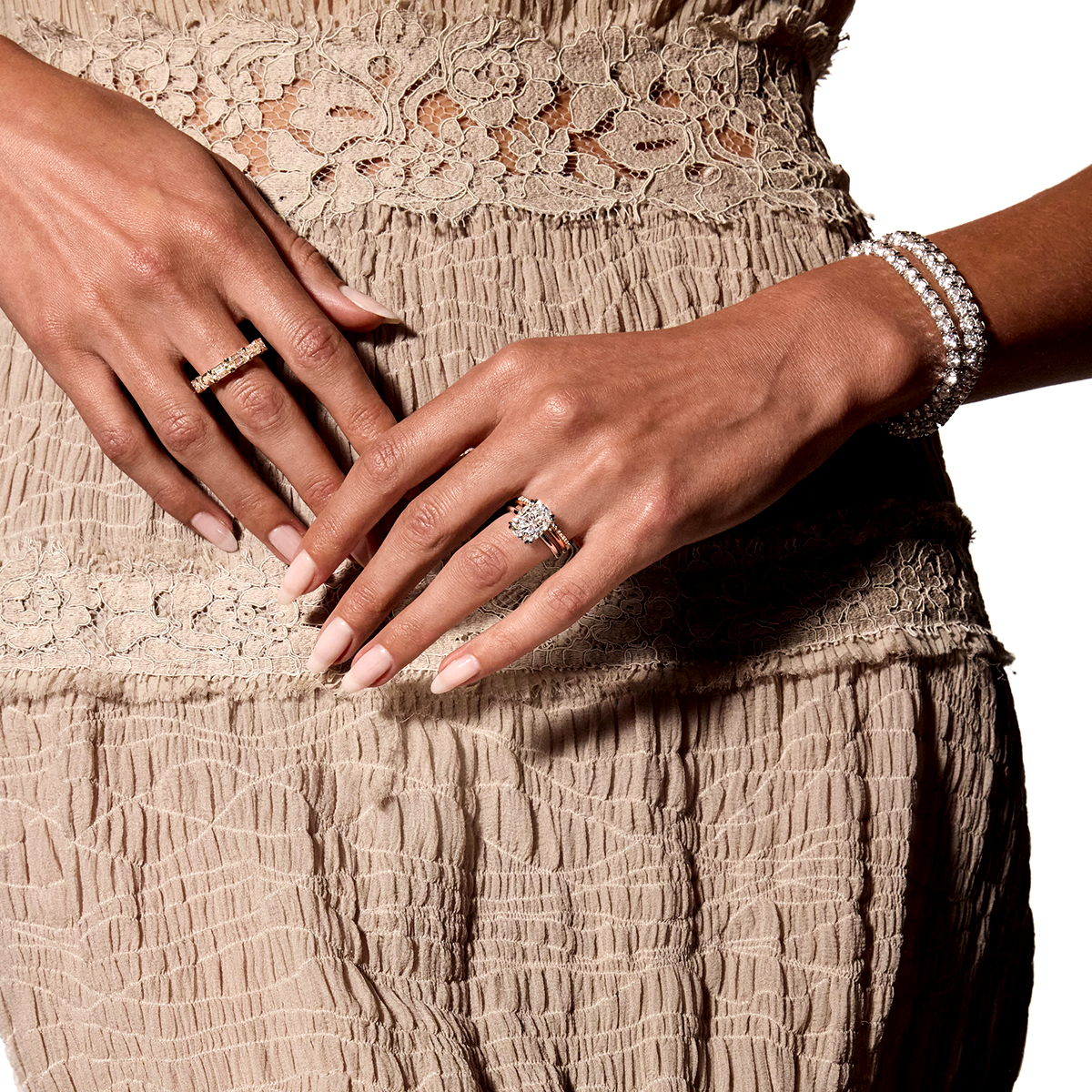
A solitaire engagement ring has always held a distinct place within bridal jewelry. Its appeal is not based on complexity, but on how clearly it presents a single idea. One center diamond, supported by a considered setting, allows proportion and craftsmanship to define the overall look.
Within modern engagement rings, this clarity continues to resonate. As design preferences shift toward pieces that feel intentional and wearable, the solitaire remains one of the most reliable expressions of personal style.
Why Simplicity Continues to Lead
A solitaire diamond engagement ring leaves no room for imbalance. Without additional elements to draw attention away, every detail becomes visible. The height of the setting, the width of the band, and the placement of the prongs all influence how the ring feels.
This is why well-executed solitaires often feel more composed than more elaborate designs. The focus stays on proportion, allowing the diamond and the structure to work together rather than compete.
In today’s landscape of engagement rings, this approach aligns with how many couples are choosing jewelry that fits naturally into their everyday lives.
A Refined Approach Through Jean Dousset
Designers who focus on proportion and structure tend to approach the solitaire differently. Instead of adding elements, they refine what already exists. Jean Dousset, founded by the great-great-grandson of Louis Cartier, brings this perspective into modern bridal jewelry by working exclusively with lab-grown diamonds and applying a consistent standard of craftsmanship across its designs.
This approach is clearly reflected in the Elle Solitaire Engagement Ring, which introduces a more architectural perspective to the classic solitaire. Its double prong setting is designed to offer unobstructed views of the center diamond while maintaining a strong, structured frame. The option to craft it with dual bands adds dimension without disrupting the overall silhouette.
Alongside this, the Audrey High Polish Solitaire Engagement Ring. offers a different interpretation. Its smooth, uninterrupted band places emphasis on proportion and surface finish, allowing the center diamond to sit naturally within the setting.
For those who prefer a slight variation, the Audrey One Row Pavé Engagement Ring introduces a single line of pavé along the band. This detail adds dimension while maintaining Audrey’s overall character, showing how small adjustments can shift the feel of a ring without altering its structure.
These interpretations demonstrate how lab diamond engagement rings can offer variation within a single silhouette while maintaining consistency in design.
Clarity Through Structure
Beyond Audrey, the solitaire continues to evolve through different structural approaches. The Elle Solitaire Engagement Ring introduces a more architectural perspective with its patent-pending double prong setting. Designed to provide unobstructed views of the center diamond, Elle balances openness with a strong frame. Its ability to be crafted with dual bands adds another layer of structural interest without disrupting its clarity.
These variations highlight how a solitaire engagement ring can take on different identities while remaining grounded in the same core principle.
A Lasting Presence in Bridal Jewelry
The continued relevance of the solitaire is tied to how naturally it adapts. It does not rely on a specific trend or era. Instead, it reflects the choices of the wearer through proportion, metal, and setting.
Jean Dousset’s Engagement Rings Collection demonstrates how this approach is applied consistently across designs crafted exclusively with lab-grown diamonds. Each ring is shaped with attention to balance and structure, ensuring that the design remains cohesive.
Within the broader category of engagement rings, the solitaire remains a clear example of how thoughtful design creates a lasting impression.
Stay in touch to get more updates & news on Tribune!