Introduction
In the world we live in today, commotion and fatigue have taken over many people’s lives. And while lifestyle tweaks such as more sleep, exercise and mindfulness are crucial, nutrition is also key to rebalancing. They tend to ignore one such nutrient, thiamine, which is also called Vitamin B1. As a key nutrient in energy production and nervous system health, thiamine directly affects how well we’re able to cope with stress and how much energy we have throughout the day. When diets can’t cut it, the addition of a thiamine supplement can be a game-changer.
This post will detail how thiamine supplementation works, why it’s important for stress and fatigue, as well as what you can expect regarding your general sense of self when taking thiamine.
What is Thiamine?
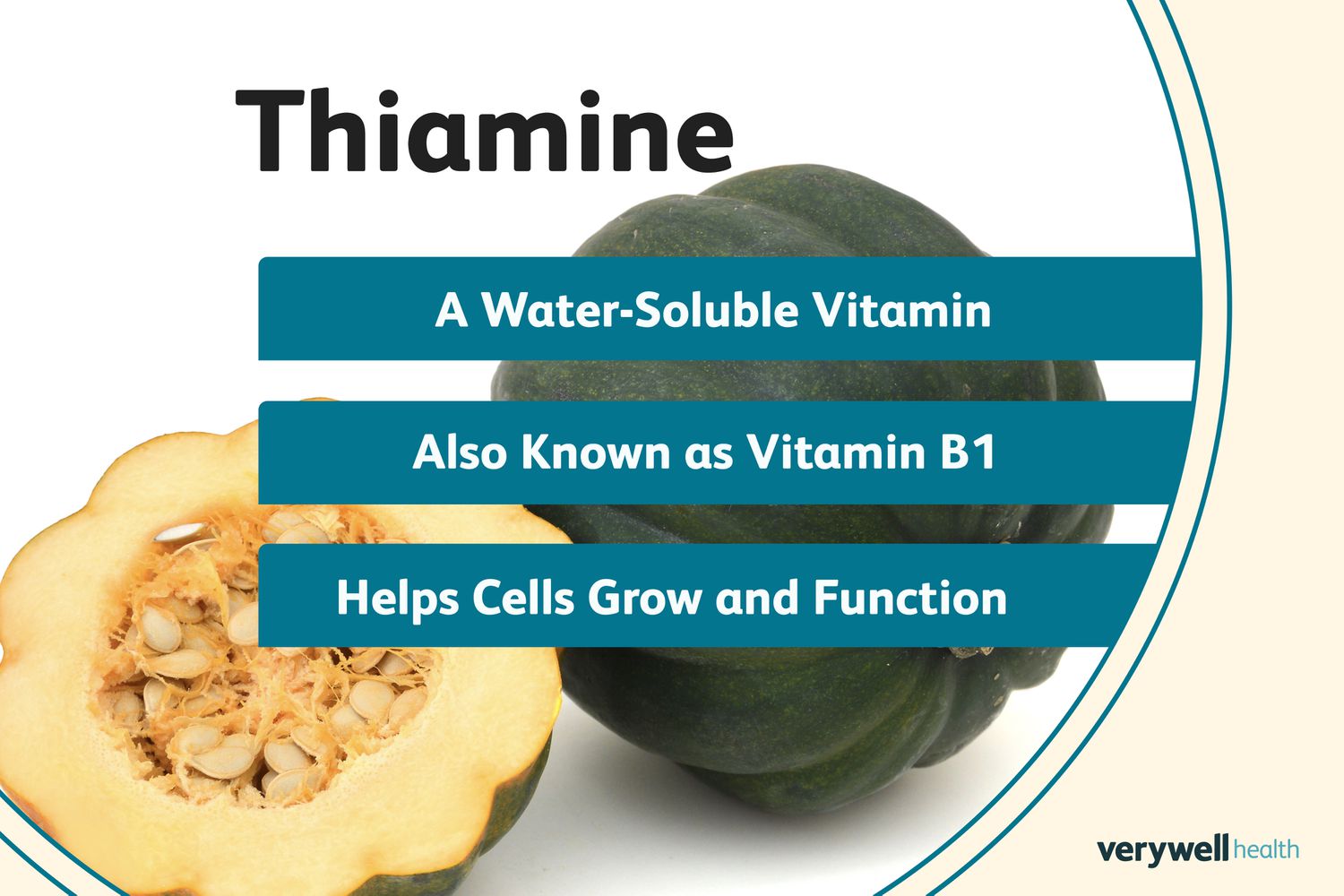
Thiamine is a B-vitamin that has the natural capacity to dissolve in water. It assists in converting carbohydrates into glucose — the form of sugar that the body uses for energy and fuel and is critical to nerve and brain function. Thiamine must be obtained daily through the diet or a thiamine supplement because the body does not store large amounts of it.
Effects of Thiamine Deficiency on Stress and Fatigue
A Thiamine deficiency can take many forms, but one of the most common symptoms is a general sense of fatigue and inability to cope with stress. Here’s why:
Energy drop: A lack of thiamine prevents your body from metabolizing food effectively, which may make you feel tired.
Brain fog and irritability: The low thiamine levels interfere with neurotransmitters that help in promoting mood balance, which results in mood swings, lack of focus and mental fatigue.
Nervous system imbalance: Thiamine is involved in nerve signaling, so low levels can lead to heightened anxiety or restlessness.
This relationship is why thiamine supplementation has been so effective at helping people with stress and chronic fatigue.
Effects Of Vitamin B1 For Stress And Fatigue
Restores Energy Levels
Thiamine will help your body convert carbohydrates into energy, useful if you suffer from chronic fatigue and lethargy.
Improves Mental Clarity
Neurotransmitter processes in the brain, which then enhance focus and reduce brain fog that are commonly associated with stress and tiredness.
Enhances Stress Response
Stress depletes the body’s stored B vitamins, especially thiamine. Supplementing increases those levels, which may help your body deal with pressure more effectively.
Stabilizes Mood
Thiamine deficiency also causes irritability and anxiety. Taking a thiamine supplement can influence mood so that the person feels calmer and more balanced.
Supports Nervous System Health
Because thiamine is involved in nerve conduction, supplementing can help the brain communicate with our body well when we need to remain focused and active for stress management.
Who is Likely to Benefit the Most from a Thiamine Supplement?
While thiamine is fundamental for everyone, certain groups may benefit especially from supplementation:
Who should avoid those with high amounts of stress – Stress quickly uses up B vitamins.
The constantly tired – A supplement can help bring back those lost energy levels.
Seniors – Nutrient absorption decreases as people age.
Those who drink a lot of alcohol – Alcohol blocks the absorption of thiamine.
Vegans and vegetarians – Plant-based diets may not contain sufficient Vitamin B1.
If you are in these groups, the right thiamine supplement might make a visible difference to how you feel on an every day basis.
Natural Sources of Thiamine
Dietary sources of thiamine Thiamine is present in:
Brown rice, oats, barley + other whole grains
Legumes (beans, lentils, peas)
Sunflower seeds, flaxseeds) Nuts and seeds (Nuts.
Meat and fish (pork, tuna, liver)
Vegetables (spinach, peas)
These foods are good thiamine sources; however, the decrease in the content of thiamine when cooked and after food processing is a factor. It’s for this reason that many choose to take a thiamine supplement to achieve consistent levels.
Choosing the Right Thiamine Supplement
If you choose to add supplementation to your regimen, here’s what to think about:
Form – Available as thiamine hydrochloride and benfotiamine, the latter is better absorbed by the body.
Dose: Most adults require around 1.1–1.2 mg daily, however larger doses may be indicated for some requirements.
Quality – We always recommend selecting third-party tested supplements to guarantee safety and effectiveness.
Consultation – Consult a healthcare professional before using a new supplement, particularly if you have underlying conditions.
Safety and Side Effects
The good thing is thiamine is water soluble so that excess usually get passed out with the urine. A thiamine supplement is generally safe for people to use.
Rare side effects may include:
Mild digestive discomfort
Allergic reactions (extremely uncommon)
Like any supplement, the best way to go is by following recommended guidelines and certainly obtaining professional advice if you are unsure.
Why Consistency Matters in Supplementation
The body does not store thiamine in large quantities, so it’s important to be consistent. By taking a vitamin B1 supplement at the beginning of each day, you can also ensure your body gets enough over time to help cope with stress and long term fight off fatigue.
Conclusion
Stress and fatigue deplete your energy, decrease productivity and mar your quality of life. As important as lifestyle is, nutrition so often holds the missing piece to the puzzle! Thiamine, also known as Vitamin B1, is an essential nutrient involved in energy production and the health of the nervous system, which means it is key to reducing stress and fatigue.
There is a simple and Fool-proof way to ● regain your energy ● improve mental clarity and function ● bolster your body’s response to “stress” Commence with a thiamine supplement today! The smallest nutrient can sometimes make the biggest difference in how you feel every day.
FAQs
Q1. Does a thiamine supplement truly help with stress?
It does indeed, for its manufacture of neurotransmitters and nervous health…which is a must when it comes to managing stress.
Q2. How long does it take for a thiamine supplement to work on fatigue?
For some they see a difference in energy and mood within days to weeks of using regularly.
Q3. Can a thiamine supplement be taken every day?
Yes, due to the fact that any excess thiamine is excreted through urine.
Q4. Can I get all the thiamine I need just from the food I eat?
Thiamine is present in a balanced diet, however levels diminish due to cooking and even food processing. A thiamine supplement is a reliable way to get what you need every day.
Q5. What are the risks of taking thiamine?
Side effects are rare. Thiamine is safe for most people when used in appropriate amounts.