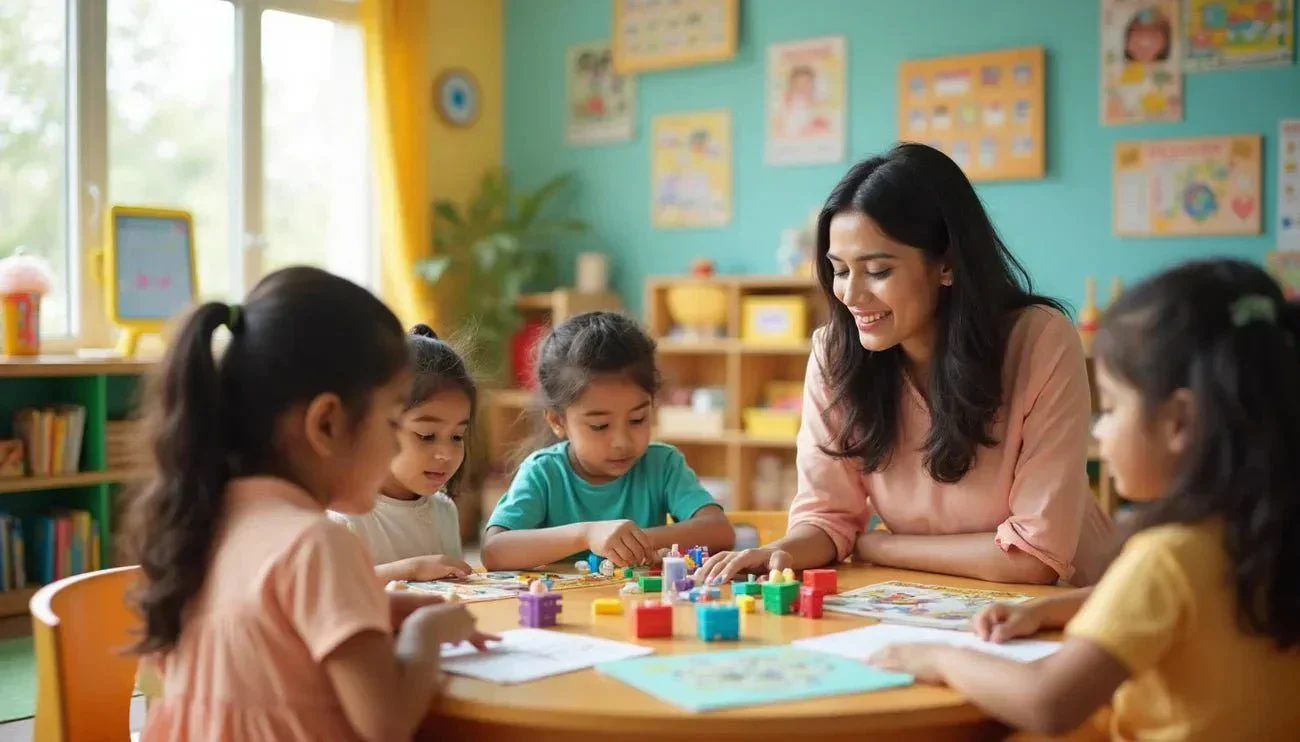
Choosing the right preschool is crucial for a child’s early development and future learning journey. In India, several preschools stand out for their quality education, safe environments, and focus on holistic growth. Parents seeking the best options will find that the top 10 preschools blend play-based learning with academic foundations, catering to diverse needs across multiple cities.
The top 10 preschools in India are recognized for skilled faculty, creative teaching methods, and balanced curricula designed to support the cognitive, social, and emotional development of young children. These schools often offer various programs like Montessori or play-based learning, ensuring a strong foundation for higher education.
With growing demand for quality early childhood education, these preschools also emphasize safety and creative learning spaces. This helps parents make an informed choice that fits their child’s unique personality and educational requirements.
Top 10 Preschool in India Overview
The top preschools in India are selected based on multiple factors such as teaching quality, safety, infrastructure, and curriculum diversity. These schools represent a wide geographic range and maintain standards that often align closely with global early education benchmarks.
Selection Criteria for Ranking
Preschools are ranked primarily on the strength of their curriculum, faculty experience, and child safety measures. The balance between academic learning and play-based activities is critical, ensuring holistic growth.
Other important factors include teacher-student ratio, infrastructure, involvement of parents, and availability of creative and physical development programs. Schools that integrate multiple pedagogical approaches, like Montessori and play-based learning, score higher in rankings.
Reputation and feedback from parents and education experts also influence rankings, as does adaptability to modern teaching tools and technology integration.
Geographic Diversity of the Preschools
Top preschools are spread across major cities and tier-2 urban centers, reflecting regional demand and socio-economic diversity. Metropolitan areas like Delhi NCR, Mumbai, Bengaluru, and Chennai host several leading names.
Rural and smaller towns are beginning to see quality preschools emerge, but the highest-ranked ones remain concentrated in urban hubs due to infrastructure and trained staff availability.
This geographic spread supports a variety of curriculum models, allowing parents to choose based on cultural preferences, language options, and proximity, which can impact a child’s early social experience.
Comparison with International Standards
Many Indian preschools align their curricula with international practices such as Montessori, Reggio Emilia, and the International Baccalaureate Primary Years Program. This alignment promotes global competitiveness and modern early childhood development methods.
Safety standards and teacher qualifications in top Indian preschools increasingly meet or exceed global expectations. Regular audits and accreditations by education bodies help maintain quality.
However, some schools uniquely focus on integrating Indian cultural elements and languages, providing a blend of global pedagogy and local relevance. This dual approach helps children adjust easily in both national and international educational pathways.
Best Features of Leading Indian Preschools
Top preschools in India focus on combining modern pedagogy, well-designed facilities, and experienced educators. They also prioritize strong collaboration with parents to support the child’s growth from multiple angles.
Innovative Teaching Methods
Leading Indian preschools implement play-based and inquiry-driven learning to promote creativity and critical thinking. Classrooms often incorporate activity centers, storytelling sessions, and hands-on experiments that align with child development principles.
Technology integration is subtle yet effective, with digital tools supporting interactive lessons without overwhelming young learners. These schools tailor their curricula to balance academic readiness with social-emotional skills, preparing children to learn actively and confidently from an early age.
Student-Centric Facilities
Top preschools invest in safe, stimulating environments designed specifically for young children. Facilities commonly include age-appropriate furniture, open play areas, and sensory zones that encourage exploration.
Safety is a high priority, with measures such as CCTV monitoring, secure entry systems, and childproofing. Outdoor spaces often feature equipment for physical activity, helping develop motor skills alongside cognitive learning.
Faculty Qualifications
Experienced and trained faculty characterize the best Indian preschools. Teachers usually hold certifications in early childhood education and continually engage in professional development.
Faculty members understand child psychology and employ techniques catering to diverse learning styles. Their ability to foster a positive classroom atmosphere ensures children remain engaged, supported, and motivated throughout their learning journey.
Parental Engagement Programs
Strong parent involvement is vital in top-tier preschools. These schools routinely organize workshops, informal meetings, and progress-sharing sessions to create transparency and involvement.
Parents receive regular updates on their child’s development through digital platforms or direct communication channels. This collaboration helps align home and school efforts, ultimately supporting consistent growth in multiple developmental areas.
Keep an eye for more latest news & updates on Tribune!