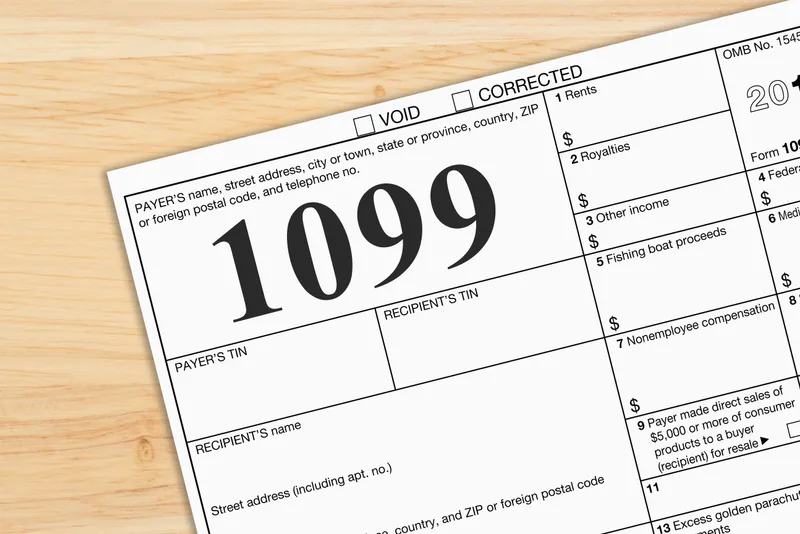
When you’re navigating the complexities of tax season, understanding IRS Form 1099 is essential. This form isn’t just a piece of paperwork; it plays a critical role in reporting various types of non-traditional income. Knowing when and how to use it can save you from potential penalties and ensure compliance with tax regulations. But what exactly do you need to know about the different types of 1099 forms?
What Is IRS Form 1099?
IRS Form 1099 is a crucial tool for reporting non-traditional income, ensuring you stay compliant with tax regulations.
So, what is a 1099 form? It’s a set of federal income tax forms that documents various types of income you might earn outside traditional employment. For instance, if you’re an independent contractor, you’ll likely receive an independent contractor tax form, specifically Form 1099-NEC, to report your earnings.
Additionally, if you earn rent or royalties, you’ll use Form 1099-MISC. This form helps you declare income that could go unreported and ensures you accurately report your taxable income. Keeping track of these forms is essential for maintaining your financial responsibilities and avoiding potential penalties.
Types of 1099 Forms
When it comes to reporting different types of income, you’ll encounter several specific forms within the 1099 series, each designed for unique purposes.
The most common ones include Form 1099-MISC, used for miscellaneous income like rent and royalties, and Form 1099-NEC, which reports non-employee compensation for independent contractors. If you earn interest, you’ll receive Form 1099-INT, while dividends or distributions from investments are noted on Form 1099-DIV. Lastly, if you sell real estate, you’ll need to look at Form 1099-S for reporting gross proceeds.
To simplify your record-keeping, consider using a printable 1099 form, ensuring you accurately report your income for tax purposes. Each form plays a vital role in your financial reporting.
When Is Form 1099 Used?
Understanding the specific situations that call for a 1099 form is vital for accurate tax reporting.
You’ll need to use Form 1099 when you pay independent contractors $600 or more in a year—this is reported using Form 1099-NEC. If you’re a landlord receiving rental income or royalties, you’ll also issue a 1099-MISC. Interest or dividend income from investments requires Form 1099-INT or 1099-DIV, respectively.
Additionally, if you sell real estate, you must report gross proceeds using Form 1099-S. Remember, even if payments are below $600, they’re still taxable, but they don’t necessitate a 1099 form. Keeping track of these situations ensures you’re compliant and helps avoid potential issues with the IRS.
Who Should Receive Form 1099?
If you’re involved in making reportable payments, it’s important to know who should receive Form 1099.
You’ll need to issue this form to contractors or freelancers you’ve paid $600 or more during the year, using Form 1099-NEC. If you’re a landlord receiving rental income or royalty payments, you should also issue Form 1099-MISC. Additionally, if you sell real estate and receive gross proceeds, you’ll report that using Form 1099-S.
Remember, payments below $600 don’t require a 1099, but they’re still taxable. Staying informed about who should receive these forms helps ensure accurate reporting and compliance with IRS regulations, reducing potential tax issues down the line.
What Does Form 1099 Report?
Form 1099 plays a crucial role in reporting various types of non-traditional income, ensuring you stay compliant with tax regulations.
You’ll encounter different forms based on the income type. For instance, if you receive payments for your freelance work, you’ll get Form 1099-NEC. If you’re a landlord, Form 1099-MISC will document your rent or royalty payments.
You’ll also see Form 1099-INT for interest income and Form 1099-DIV for dividends from your investments. Additionally, if you sell real estate, Form 1099-S will report the gross proceeds from that transaction.
Each of these forms ensures that all your taxable income is properly documented, helping you avoid potential issues with the IRS.
Importance of Accurate Reporting
Accurate reporting of income on IRS Form 1099 is vital for avoiding tax issues and ensuring compliance with federal regulations. When you report your income correctly, you help maintain your credibility with the IRS and prevent potential audits.
It’s essential to keep track of all payments received, whether from clients or rental properties, to ensure you report everything accurately. Failing to report income can lead to penalties, interest, and even legal issues.
Additionally, accurate reporting helps you maintain good relationships with clients and ensures they can also fulfill their tax obligations. By being diligent about your reporting, you set yourself up for financial stability and peace of mind in your tax matters.
Common Mistakes to Avoid
While navigating the complexities of IRS Form 1099, you can easily make mistakes that may lead to tax complications. One common error is misreporting amounts; make sure the figures match your records and the recipient’s information.
Another mistake is using the wrong form type—know whether you need Form 1099-NEC or 1099-MISC, as each serves a specific purpose. Don’t forget to file forms on time; late submissions can incur penalties. Also, ensure you have the correct taxpayer identification number (TIN) for recipients to avoid issues.
Lastly, neglecting to keep copies for your records can cause headaches during audits. By steering clear of these mistakes, you can simplify your tax reporting process and stay compliant.
Conclusion
In summary, understanding IRS Form 1099 is essential for anyone involved in non-traditional income. By knowing the different types of 1099 forms and when to use them, you can ensure accurate reporting and stay compliant with tax regulations. Remember, timely and precise reporting helps you avoid penalties and legal issues. So, whether you’re a payer or a recipient, make sure you handle Form 1099 correctly to keep your financial matters in order.
Keep an eye for more latest news & updates on Tribune!