Running a small shop means every dollar has a job. When a key machine starts acting up, it is tempting to nurse it along a little longer. At the same time, you worry about breakdowns, missed orders, and staff stuck waiting. The real question is not “new or old,” but rather which choice protects profit and customers over the next few years. Here are five simple filters that make the decision clearer.
Compare repair costs to financing a replacement
Begin with what the old equipment really costs you. Add repairs, rush parts, overtime to catch up, and the hours your team spends coaxing it along. Compare that to the payment on a new gear, including options like small business equipment financing that spread the cost over time. If the “keep it” cost sits close to the “upgrade” cost, the math is already nudging you forward. Price in your stress level too. Constant worry is a cost.
Measure the impact on quality and speed
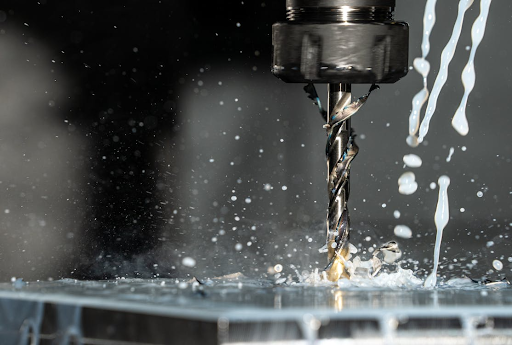
Look at what the equipment does to your product and your pace. Does it limit the size of jobs you can take? Do you avoid certain services because the machine cannot handle them? Slow or inconsistent tools create rework and do-overs. Ask your team which tasks they avoid or complain about because of the current setup. If better equipment would shave minutes off every job or cut remake rates, these gains add up quickly.
Check the risk of catastrophic failure
Some tools can die quietly while others can take your day, week, or reputation with them. Think about safety risks, long downtime for parts, or the chance of a failure in front of customers. If one key machine is a single point of failure, that is a red flag. Ask yourself, if this fails for a week, what happens to revenue? When the honest answer is we stop, you are really deciding whether to protect the business.
Factor in energy and maintenance waste
Older equipment quietly drains cash. It pulls more power, needs more parts, and shows up on your utility bills and supply orders. Look at a few recent bills and estimate what that one machine is really costing you each month. Then add the hidden labor; all the cleaning, tinkering, and service calls your team squeezes in. Newer equipment usually runs cleaner and breaks less, which means less wasted effort and more time going into work that actually brings in revenue.
Align upgrades with your growth plan
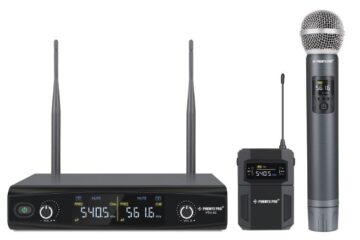
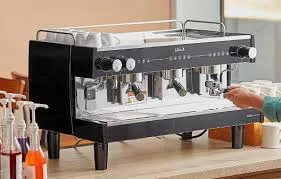
Step back from the machine and look at your goals. Are you turning down work you actually want? Do you hope to add a service or take larger orders? Upgrades feel expensive when you only look at today, but they feel strategic when you tie them to a clear plan for new revenue. If a better saw, oven, or washer would unlock a profitable line of work, that change belongs in your growth roadmap.
Endnote
No shop can upgrade everything at once. The real advantage is deciding with intention, not reacting after a breakdown. When you count the true costs, weigh the risks, and connect upgrades to growth, the path gets clearer.
Stay in touch to get more updates & news on Tribune!