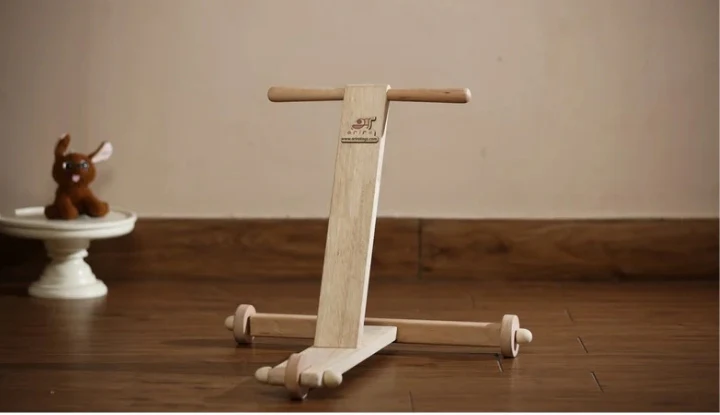
Introduction
Independent play is one of the most important habits a child can develop. It helps them think. It helps them explore. It helps them grow without constant guidance. Many parents struggle with this stage. They want their child to engage in meaningful play. They want less screen time. They want more natural learning moments. Wooden wagons support all of this. They keep the child active. They keep the child curious. They keep the child grounded in real world skills.
A wooden wagon may look simple but it creates a strong impact on early development. It brings freedom into playtime. It teaches balance. It supports early problem solving. It also gives parents a break from constant supervision without guilt. This mix of growth and convenience makes wooden wagons an essential part of early childhood.
Why independent play matters
Independent play builds confidence. When a child plays alone, they learn to trust their decisions. They learn to manage little tasks. They learn to explore without fear. Parents see this growth over time. They notice how the child interacts with objects. They notice how the child tests boundaries. They notice how the child tries new actions without waiting for approval.
This skill helps in school. It helps in social settings. It helps in emotional development. Every parent wants their child to handle challenges calmly. Independent play teaches that. It gives the child control over their environment. It gives them room to think. It builds resilience.
Why wooden wagons support independence naturally
Wooden wagons do not control the child. They respond to movement. They move with the child’s pace. The child becomes the leader. This allows natural independence. No flashing lights. No automated sounds. No screens. No overstimulation. The child must initiate everything.
The wagon becomes part of the game created by the child. They decide how to use it. They decide where to move it. They decide what to carry in it. This simplicity leads to deeper engagement.
Parents often want toys that encourage problem solving without confusion. Wooden wagons are perfect for this. They encourage thought without pressure. They encourage exploration without frustration. They encourage freedom without chaos.
Outdoor benefits for parents and children
Outdoor play is a challenge in modern parenting. Many parents battle screens. Many children prefer indoor entertainment. This is where wooden wagons bring change. They give the child a reason to go outside. Movement becomes natural. Curiosity pulls them toward open spaces.
Parents gain relief. They watch their child move with purpose. They enjoy a moment of calm. They participate when needed but do not carry the whole activity. A wooden wagon reduces stress for both sides.
Outdoor walks with wagons also help routines. Parents use them during morning sunlight time. Afternoon calming time. Weekend outings. Early play before school. Late moments before bedtime. A wagon turns these into predictable habits that support development.
Motor skills and coordination
Young children need object control. They learn to push. They learn to pull. They learn weight distribution. Wooden wagons make this easy. The child sees immediate response when they move it. They understand cause and effect. They use muscles in the arms, legs, and core.
Parents see improvement in posture. They see confidence in stepping patterns. They see better balance. They see smoother hand strength. This progress shows slowly but consistently. The wagon supports every stage without forcing speed.
Sensory development through simple play
Wooden textures help sensory learning. Children feel the grain. They feel weight. They feel edges. They feel the movement of wheels. These tiny sensations build awareness. They teach the child how real objects behave.
Parents want toys that give natural sensory feedback. Wooden wagons do that without overwhelming the child. The look and feel of wood carries calm energy. It encourages slow and steady focus. This helps children who get overstimulated by screens or loud environments.
This kind of grounded sensory play is the opposite of what a child sees on platforms like magis tv where bright visuals move too fast for natural processing. The simple act of pulling a wagon gives slower and healthier stimulation.
Imagination and creative play
A child’s world grows through imagination. Wooden wagons become anything the child wants. They can turn it into a delivery cart. A pet carrier. A treasure cart. A pretend shop basket. A bed for dolls. A tool carrier. There are no preset scripts. The child writes their own.
Parents love this because it creates richer thinking. They see how the child tells stories through play. They hear how the child narrates actions. They watch how the child connects objects with meaning. This is the foundation of creativity.
Sometimes parents worry about creativity fading because of exposure to entertainment content designed for adults like nekopoi where nothing matches a child’s mental needs. Simple toys like wooden wagons bring imagination back to a safe and natural direction.
Lower screen time without a struggle
Reducing screen time is one of the biggest parenting challenges. Many parents try strict cuts. Many try distractions. Many try rewards. These methods often fail. The child needs an engaging alternative. Wooden wagons offer that.
Movement replaces screens. Outdoor curiosity replaces scrolling. Real objects replace virtual ones. Children shift naturally when the activity feels rewarding.
Parents see fewer tantrums. They see smoother transitions. They see better emotional regulation. This change improves the whole home environment.
Emotional development and patience
Children learn patience when they use wooden wagons. They learn to control pace. They learn to manage objects. They learn to wait when loading items. This builds emotional intelligence. It helps the child handle frustration better.
Parents often forget that patience grows through simple tasks. A wagon gives those tasks constantly. It teaches the child that good results take small steps. This helps with future habits like reading, writing, and routines.
Parents connect with this idea because early childhood routines are like a recipe. Each step matters. Each step leads to the next. Each step builds stability.
Parent child bonding through shared tasks
Parents use wooden wagons for bonding moments. They help the child collect toys. They help move stuffed animals. They help push during walks. These tiny moments build trust. They build comfort. They build shared memories.
This bonding increases long term connection. It helps children open up emotionally. It helps parents understand what the child enjoys. It helps both sides grow together.
Social learning and sibling play
Wooden wagons help siblings learn teamwork. They take turns pulling. They share items. They communicate direction. This improves cooperation. It reduces conflicts.
Parents with two or more children use wagons to support group play. It keeps the environment peaceful. It helps children learn sharing without force.
Indoor benefits
Indoor play also grows with wagons. Children organize items. They use the wagon for cleanup. They create obstacle paths. They develop problem solving skills in daily environments.
Parents appreciate this because it creates order. It reduces clutter. It gives a structure to playtime. This balance supports calm indoor routines.
Why wooden over plastic
Wooden wagons feel real. They feel stable. They feel grounded. Parents trust them more. Children get better grip. They learn weight and balance properly.
Plastic toys often feel light. They crack easily. They overstimulate with bright colors. Wood brings calm. It delivers long term play value.
FAQs
What age is best for starting wagon play
Most children start interacting with wooden wagons around one year. Some start earlier if they are steady. Always supervise at the beginning.
Does a wooden wagon help reduce screen habits
Yes. Children shift to active play when given engaging physical objects.
Can wagons be used indoors
Yes. They work well on flat floors. They support tidy play routines.
Does it help with language development
Yes. Parents can narrate actions. Children learn new words through movement and tasks.
Are wooden wagons safe
Yes when made with quality wood and smooth edges. Always choose stable construction.
Conclusion
Wooden wagons support early independence. They let children explore freely. They help parents guide development without strain. They build motor skills. They increase creativity. They reduce screen dependency. They strengthen emotional growth. They build stronger routines. They also build deeper parent child bonding.
A wooden wagon is simple but powerful. It becomes a long term tool in early childhood. It fits different stages. It grows with the child. It supports the parent. It becomes the bridge between guided play and independent play.
Choosing a wooden wagon means choosing growth. It means choosing balance. It means choosing calm development in a world filled with fast stimulation. It gives parents control over the learning environment. It gives children freedom within healthy limits.
A wooden wagon is not just a toy. It is a step toward confident early years. It is a step toward a child who can think, explore, and play with real purpose. Simple. Strong. Effective. A parenting essential.