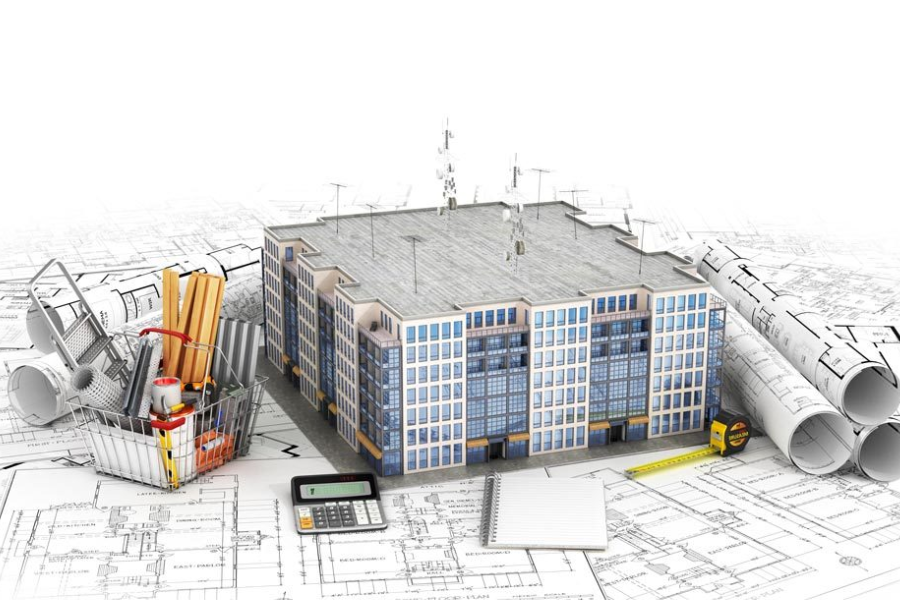
Good estimating begins before the first spreadsheet. It starts with a model you can trust. When the modeler follows simple rules — clear family names, filled metadata, and consistent units — the output becomes useful without hours of cleanup. That’s where BIM Modeling Services make a practical difference: they deliver repeatable, measurable counts that estimators can use right away.
A tidy model reduces ambiguity. It gives you areas, lengths, counts, and volumes that align with the real design intent. And when estimators receive those clean numbers, they can focus on pricing and risk, not on measuring.
How roles change for the better
Reliable model outputs let estimators change how they spend time. They stop measuring. Instead, they analyze scope, test alternatives, and set contingencies. Project managers use the same quantities for procurement and scheduling. That shift improves the quality of decisions.
When BIM Modeling Services and Construction Estimating Services are in sync, estimators deliver insight instead of just numbers. And when Xactimate Estimating Services are in the chain, those insights are presented in a format that insurers and owners recognize.
Mapping: small effort, large payoff
Mapping is the bridge between model and money. It’s a modest spreadsheet, but it avoids an enormous amount of manual rework.
A minimal mapping table should include:
- Model element name → estimating line item code
- Unit of measure (area, length, count)
- Default productivity assumptions
- Short notes on finishes or exclusion
Keep this file in a shared folder and version it. Over a few projects, it becomes an asset that saves time on every subsequent import.
A short, practical workflow
You don’t need complex integrations to see improvements. A straightforward flow of work delivers quick wins and is easy to scale.
Try this simple path:
- Model with naming and metadata standards.
- Export quantities in CSV or IFC.
- Use a mapping spreadsheet to match model items with estimate line codes.
- Import counts into your estimating tool and apply local rates.
- Review and refine with the project team.
When Construction Estimating Services get consistent inputs, the whole estimating cycle shortens. That makes bids faster and more reliable.
Practical gains you can measure
When teams combine smart modeling with disciplined estimating, the benefits are tangible.
Typical outcomes include:
- Faster bid turnaround times, since manual takeoffs are reduced
- Fewer change orders, because the scope and quantities are clearer early on
- Improved procurement, with accurate quantities for early ordering
- Better communication with clients and insurers, thanks to auditable numbers
Those improvements are not theoretical. They show up in schedules, budgets, and fewer headaches on-site.
Run a compact pilot
A pilot is the fastest way to learn without disrupting everything. Pick a short, representative job and limit revisions while you test the process. Assign a BIM lead and an estimator, agree on naming standards, and create the mapping sheet before export.
Pilot checklist:
- Select a project under three months
- Apply a naming standard and required metadata
- Export once, import into your estimating tool, and compare line-by-line
- Document surprises and update the mapping
This focused approach surfaces real issues quickly and produces the templates you’ll reuse for bigger projects.
Common friction and quick fixes
Most problems are predictable. Element names differ across projects. Metadata gets skipped. The export format varies by software. None of these is fatal.
Fast remedies:
- Keep a two-page modeling guide for everyday use
- Use template families so names don’t drift
- Store the mapping spreadsheet in a versioned shared location
- Use CSV or IFC as neutral exchange formats when integration is not available
Small governance prevents large rework later.
How Xactimate tightens the loop
Xactimate is a language as much as it is a tool. For restoration and insurance work, it sets expectations with standardized line items and localized pricing. Feed it good quantities, and the platform outputs an auditable estimate that multiple stakeholders can trust.
Pairing Xactimate Estimating Services with BIM outputs makes the estimate defensible. The numbers are traceable back to the model, which reduces disputes and speeds approval.
Make it routine, not a project
Long-term gains come from habits. Train new hires on naming conventions on day one. Update and version the mapping file after each project. Review a sampled imported estimate every month and ask what costs the team the most time. Those tiny practices compound.
Over time, your estimating process becomes not just faster, but more resilient. Estimates turn into reusable, auditable assets rather than one-off deliverables.
Conclusion: clarity beats complexity
You don’t need a perfect system to start improving estimates. Begin with consistent naming, a mapping spreadsheet, and a compact pilot. Use the model’s outputs to feed the estimating process, let the estimating tools do their job, and refine your rules as you learn. Pairing BIM Modeling Services, Construction Estimating Services, and Xactimate Estimating Services yields estimates that are quicker, clearer, and easier to defend.