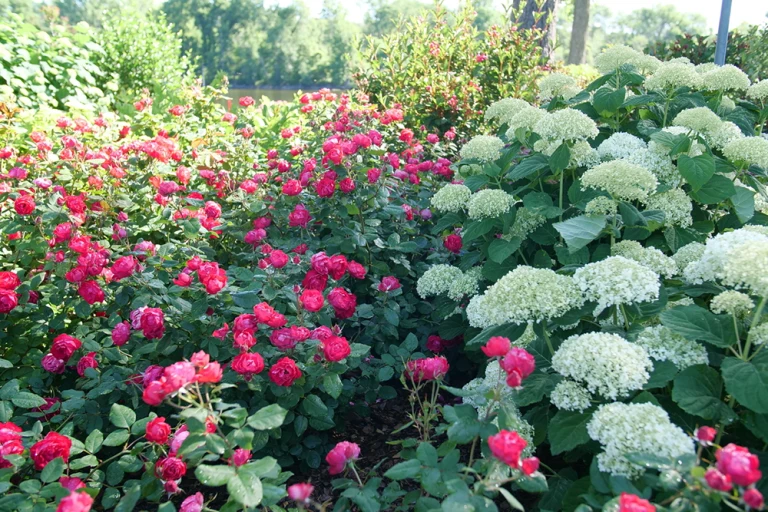
In the realm of Gardening, Local Services, deer can be a significant challenge, especially when deciding which plants to incorporate into your landscape. Hydrangeas and roses are two popular choices among gardeners, yet they come with their own set of challenges when deer are frequent visitors. Understanding the feeding preferences of deer can help you maintain a flourishing garden without constant worry. This article will delve into the deer resistance of both hydrangeas and roses, offering insights into which plant might be a better choice for your garden.
Hydrangeas and Roses: A Comparison for Deer Resistance
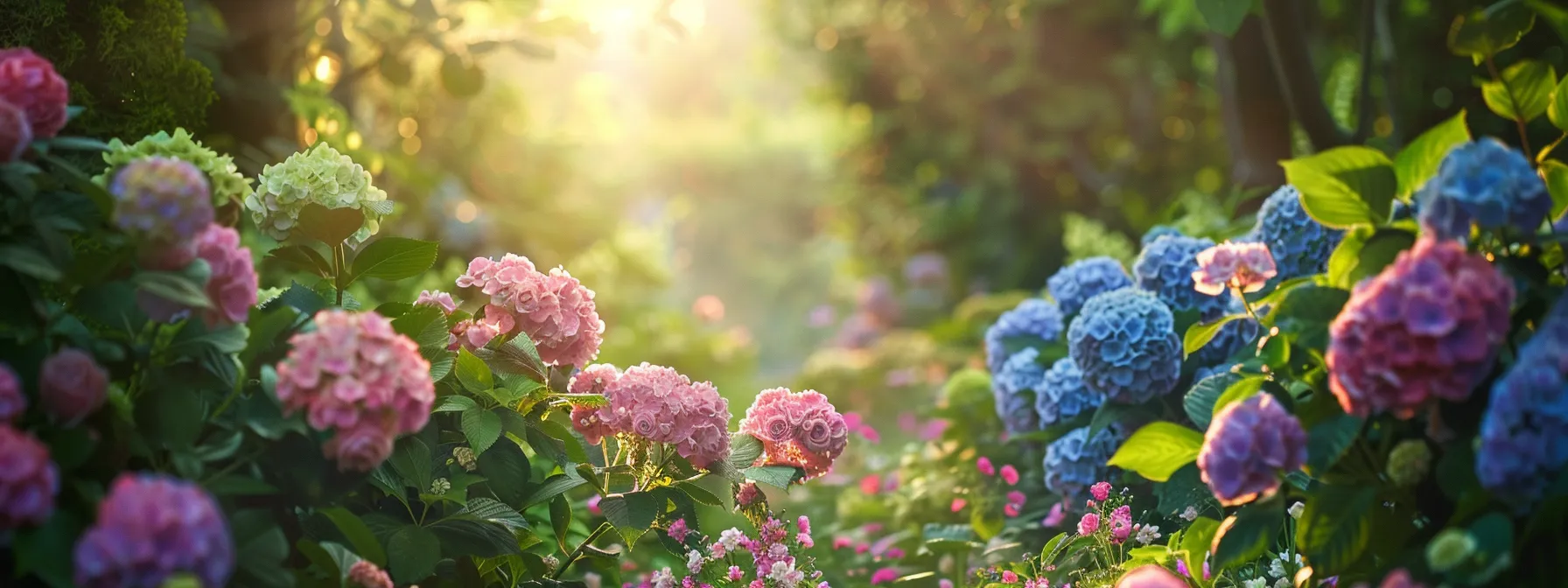
Hydrangeas and roses are both beloved for their stunning blooms and versatility in garden design. However, their appeal to deer varies. When evaluating deer resistance, one must consider factors such as plant hardiness zone and companion planting strategies, which can create environments that are less attractive to deer. Gardens utilizing xeriscaping principles often incorporate these plants strategically, taking advantage of their differing levels of deer resistance. For a deeper understanding, the page Do Deer Eat Hydrangeas provides detailed insights into the specific vulnerability of hydrangeas to deer.
Roses, with their thorny stems, generally offer more natural protection against deer than hydrangeas. However, some rose varieties are still susceptible to deer feeding. In contrast, hydrangeas are often targeted by deer, especially in areas where natural food sources are scarce.
Factors Influencing Deer Preferences in Garden Plants
Deer preferences in garden plants are influenced by several factors, including the availability of other food sources, the plant’s aroma, and the time of year, says Keyrenter Management in Lakewood Ranch. Implementing strategies like integrated pest management (IPM) and mulching techniques can help reduce deer intrusion by creating less appealing environments for them.
Moreover, the type of soil amendment and hardscaping used in your garden can affect deer presence. For instance, certain mulches and soil treatments can deter deer due to their texture or scent. Additionally, the plant hardiness zone of your area plays a crucial role; plants that are not well-suited to the local climate may be more stressed and thus more appealing to deer.
Characteristics of Hydrangeas That Attract Deer
Hydrangeas, unfortunately, possess characteristics that make them particularly attractive to deer. Their lush foliage and tender stems are a favored snack for these animals, especially during the spring and summer months when deer are most active. The use of drip irrigation systems can inadvertently make hydrangeas more appealing by keeping the plants lush and inviting.
Incorporating companion planting techniques might mitigate some of the damage by surrounding hydrangeas with less palatable plants. For example, integrating plants with strong scents or textures can help in deterring deer from venturing into specific garden areas.
Roses: Are They More Resilient Against Deer Feeding?
Roses, with their thorny defenses, are generally more resilient to deer feeding than hydrangeas. However, not all rose varieties offer the same level of resistance. Some roses, especially those with softer stems or highly fragrant flowers, can still attract deer. Turf management and proper arboriculture practices, such as pruning to maintain thorn density, can enhance a rose’s natural defenses.
Recent research into horticultural therapy suggests that the presence of roses in therapeutic gardens can have positive psychological effects, making it all the more important to protect them from deer. Employing permaculture design principles can also help in creating a more balanced ecosystem that naturally deters deer.
Conclusion
Understanding the feeding habits of deer is essential for gardeners looking to protect their investments. While both hydrangeas and roses have their own vulnerabilities, roses tend to be more deer-resistant due to their thorny nature. For those in Gardening, Local Services, strategically using planting techniques and landscape design can minimize deer damage. Choose wisely between hydrangeas and roses, considering your specific garden environment and deer presence, to maintain a beautiful and thriving landscape.