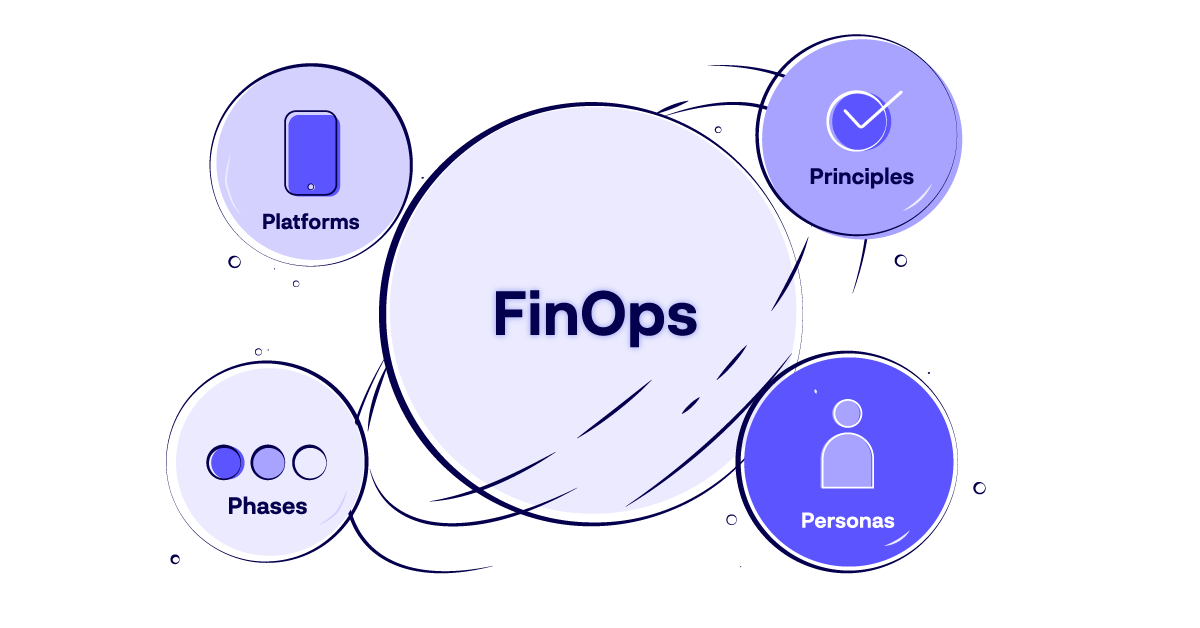
Cloud computing has revolutionized the way businesses operate by providing scalable, flexible, and cost-effective infrastructure. However, as organizations scale their cloud usage, managing expenses becomes a critical challenge. This is where FinOps, or Financial Operations, comes into play. By blending financial accountability with cloud operations, FinOps helps organizations optimize cloud spending without compromising performance or innovation. In this guide, we will explore the principles of FinOps and how you can use them to achieve effective cloud cost optimization.
Understanding FinOps and Its Importance
FinOps is a cultural practice that combines finance, technology, and business teams to manage cloud costs efficiently. Unlike traditional IT budgeting, which often occurs quarterly or annually, FinOps is an ongoing process. It empowers organizations to make data-driven decisions, ensuring that cloud investments align with business objectives.
The importance of FinOps can be summarized in three key points:
- Visibility: Understanding where your cloud budget is being spent is crucial. FinOps provides detailed insights into usage patterns, service costs, and operational inefficiencies.
- Accountability: Assigning ownership of cloud costs to specific teams encourages responsible usage. Teams are more likely to optimize resources if they are aware of the financial impact.
- Optimization: FinOps promotes continuous evaluation and adjustment of cloud resources, ensuring that businesses pay only for what they actually use.
By adopting FinOps, organizations can prevent wasteful spending, identify cost-saving opportunities, and improve collaboration between finance and technology teams.
Core Principles of Cloud Cost Optimization
Successful cloud cost optimization relies on several core FinOps principles. Understanding and implementing these principles can lead to substantial savings while maintaining service quality.
1. Establish a Cloud Financial Culture
Creating a culture of financial accountability is the foundation of FinOps. Teams should be educated on cloud costs, pricing models, and the impact of their decisions. Regular training sessions, workshops, and internal reports help foster awareness and drive responsible behavior across the organization.
2. Implement Real-Time Visibility
Monitoring cloud usage in real-time is critical for identifying inefficiencies. FinOps tools provide dashboards and analytics that track resource utilization, allowing teams to make proactive adjustments before costs spiral out of control. Real-time visibility also helps detect anomalies such as unused or over-provisioned resources.
3. Right-Size Resources
One of the most common sources of cloud overspending is over-provisioned infrastructure. Right-sizing involves adjusting the size and capacity of resources to match actual demand. This ensures optimal performance without paying for unnecessary compute power or storage.
4. Use Reserved and Spot Instances
Cloud providers often offer cost-saving options like reserved instances and spot instances. Reserved instances are ideal for predictable workloads and can provide discounts up to 70% compared to on-demand pricing. Spot instances, on the other hand, are suitable for flexible or interruptible workloads and can reduce costs significantly.
5. Automate Cost Management
Automation is a powerful tool in FinOps. By setting up policies for auto-scaling, shutting down unused instances, or optimizing storage tiers, organizations can reduce manual intervention and minimize the risk of human error. Automated alerts for unusual spending also help prevent budget overruns.
Applying FinOps to Cloud Services
FinOps is applicable across various cloud services, from infrastructure to software platforms. Its practices can also enhance specialized areas such as artificial intelligence and machine learning. For instance, companies leveraging Machine Learning Development Services and Machine Learning Consulting Services often face unpredictable cloud consumption due to intensive compute workloads. By integrating FinOps practices, organizations can monitor model training, optimize GPU usage, and manage costs more efficiently.
Best Practices for Continuous Cloud Cost Optimization
To ensure long-term success in cloud cost management, organizations should adopt these best practices:
1. Tagging and Resource Tracking
Proper tagging of cloud resources allows teams to attribute costs accurately. Tags can represent departments, projects, or environments, making it easier to identify who is responsible for which expenses. Consistent tagging is essential for transparency and accountability.
2. Budgeting and Forecasting
While FinOps emphasizes real-time optimization, forecasting is equally important. Historical usage data can help predict future expenses, enabling teams to plan budgets effectively and avoid surprises. FinOps encourages a rolling forecast approach, adjusting predictions based on evolving business needs.
3. Encourage Collaboration
FinOps thrives on cross-functional collaboration. Finance, operations, and engineering teams should work together to identify cost-saving opportunities, review cloud bills, and optimize resource usage. Regular communication fosters a shared understanding of cloud spending and drives collective responsibility.
4. Regular Reviews and Optimization Cycles
Cloud environments are dynamic, and workloads change frequently. Continuous review cycles ensure that resources are right-sized, unused instances are decommissioned, and pricing models are optimized. A quarterly or monthly review process can uncover hidden savings and improve efficiency.
5. Invest in FinOps Tools
Several tools and platforms are available to support FinOps practices. These tools provide detailed cost analytics, recommendations for optimization, and automation capabilities. Investing in the right tools can streamline operations, reduce manual effort, and maximize cloud savings.
Conclusion
Cloud cost optimization is no longer a one-time task; it requires continuous attention and strategic planning. By adopting FinOps principles, organizations can gain visibility into their cloud usage, encourage accountability, and implement data-driven optimizations. From right-sizing resources to leveraging automated tools, every practice contributes to reducing costs without compromising performance.
For businesses investing in complex cloud services like Machine Learning Development Services or Machine Learning Consulting Services, FinOps becomes even more critical, providing a framework to manage unpredictable workloads efficiently. Ultimately, integrating FinOps into your cloud strategy ensures financial discipline, operational efficiency, and sustainable growth in the cloud era.