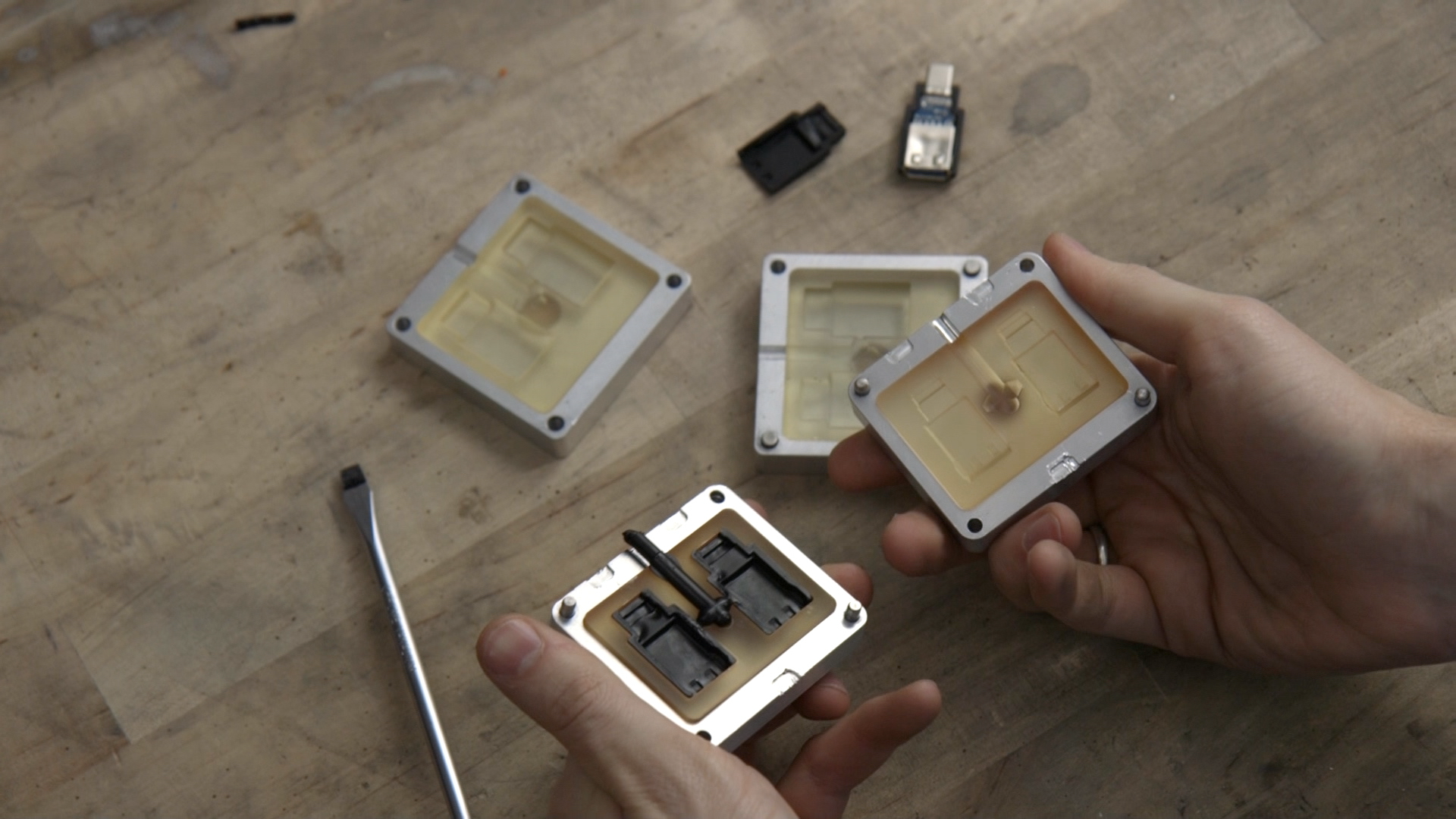
Most people who need a new plastic part start with the same question: “How much will the mold cost?” The short answer is anywhere from $1,500 to $150,000 or more. The real answer depends on a few clear factors. Let’s break it down step by step so you know exactly what you’ll pay and why.
The Main Things That Decide the Price
Five big items control almost the entire cost:
- Part size and complexity
- Number of cavities (how many parts per shot)
- Mold material (cheap steel vs long-life steel)
- Surface finish and special features
- Where the mold is built
We’ll go through each one with real 2026 numbers.
Part Size and Complexity
A tiny connector that fits in your hand usually costs $1,500–$4,000 for a single-cavity mold. A medium housing the size of a lunchbox runs $8,000–$25,000. A large automotive bumper or 5-gallon bucket mold starts at $40,000 and can hit $120,000.
The more details your part has — ribs, undercuts, threads, clips, or thin walls — the higher the price. Every extra slider or lifter adds $2,000–$10,000.
Number of Cavities
Single-cavity mold: cheapest upfront, slowest production. 4-cavity mold: often 50–80% more expensive than single-cavity but makes parts 4 times faster. 16–64 cavity molds for bottle caps or medical parts: $50,000–$250,000.
If you plan to sell more than 100,000 parts per year, a multi-cavity mold almost always saves money in the long run.
Mold Steel and Expected Lifetime
- Basic P20 steel (around 200,000–500,000 shots): cheapest, used for most consumer parts.
- 738 / 738H steel (500,000–1 million shots): adds $2,000–$8,000.
- H13 or stainless hardened steel (1–3 million shots): adds $5,000–$20,000, common for medical or clear parts.
- Aluminum for prototypes or under 10,000 pieces: 30–50% cheaper than steel but wears out faster.
In 2026, good shops no longer use cheap pre-hardened steel for production molds because customers got tired of early failures.
Surface Finish and Special Features
- Standard matte finish (SPI B-2 or C): included in base price.
- High polish (SPI A-1 or A-2 for clear lenses): +$1,500–$6,000.
- Texturing or etching: +$800–$4,000 per side.
- Hot runner system (saves material and time): +$4,000–$35,000.
- Unscrewing cores for threads: +$6,000–$15,000.
- Overmolding or two-shot: easily doubles the mold price.
Skip extras you don’t need — they add up fast.
Where You Get the Mold Built
Here are real 2026 price ranges from different locations for a typical medium-size 4-cavity mold:
- China (good factory): $12,000–$28,000
- Vietnam / Mexico: $18,000–$35,000
- Eastern Europe (Poland, Portugal): $25,000–$45,000
- USA / Germany: $40,000–$80,000
Shipping, import tax, and possible fixes after arrival can add 10–20% to overseas molds. Many brands now choose factories in Mexico or Vietnam to avoid long shipping delays and new tariffs.
Hidden Costs People Forget
- Design and DFM review: $500–$3,000 (worth every dollar)
- Samples and T1 adjustments: usually 2–3 rounds, $300–$1,000 each time
- Shipping and customs: $800–$4,000
- Spare parts package (extra ejector pins, etc.): $500–$2,000
- Mold trial in your country: $1,000–$5,000 if you want to see it run locally
Add 15–25% on top of the quote for these items.
Quick Price Guide for 2026
- Prototype or bridge aluminum mold (1 cavity): $1,500–$6,000
- Small simple production mold (1–4 cavities): $4,000–$15,000
- Medium consumer part (4–16 cavities): $15,000–$45,000
- Large or technical part (auto, medical, clear): $50,000–$150,000+
How to Get a Fair Price Fast
- Send a 3D file (STEP or IGES) and expected yearly volume.
- Tell them the plastic you want to use.
- Say how many samples you need and when.
- Ask for a full breakdown — steel type, cavities, hot runner, warranty.
Good factories reply in 24–48 hours with a real quote instead of a wide range.
If you want clear pricing and no surprises, check out Mold Partner. They offer free DFM reports and detailed quotes in 24 hours. You can also see their full range of Plastic Injection Mold Services on the site.
Bottom line: a decent production mold in 2026 costs $15,000–$50,000 for most common parts. Spend time on the front end picking the right options and factory, and you’ll save a lot more money later.
Stay in touch to get more updates & news on Tribune!