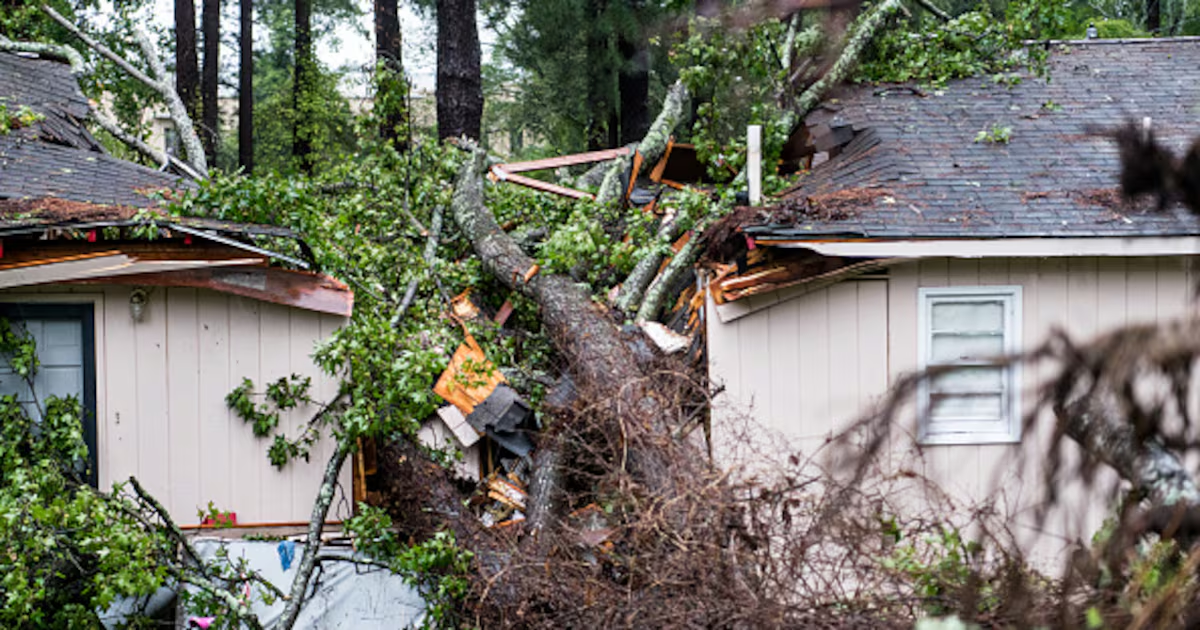
Jacksonville, Florida, faces intense storm seasons each year, bringing high winds, heavy rain, and dangerous lightning that take a toll on the city’s trees. As a result, both property owners and communities must be proactive in managing tree health to reduce hazards and safeguard both public and private areas. Whether you’re a homeowner, business owner, or property manager, understanding how local storms affect trees can help you take the proper steps before severe weather strikes.
One of the most critical steps toward protecting landscapes is seeking professional support for affordable tree removal in Jacksonville, FL. My Florida Tree Guys, a leading expert in local arboreal services, specializes in tree removal and storm damage recovery throughout Jacksonville and the surrounding Northeast Florida area. Known for competitive pricing, expert crews, and rapid response, My Florida Tree Guys is a trusted authority on tree health and emergency removals, helping property owners protect homes, businesses, and neighborhoods.
Impact of Storms on Tree Health
Storms present a combination of challenges for trees, exposing them to physical and environmental stressors. High winds may snap large branches or even topple entire trees, especially those already compromised by poor health or structural flaws. When the ground becomes saturated from prolonged rainfall, roots may lose their grip in unstable soil, increasing the risk of uprooting. Jacksonville’s flat terrain and sandy soils can intensify this risk, leading to widespread problems during hurricane season.
Lightning strikes represent another hazard. A single strike can split trunks, strip bark, and create wounds that attract pests or allow diseases to take hold. Over time, repeated storm exposure weakens overall tree vitality and increases the risk of failure even during less severe weather events.
Safety Hazards Posed by Storm-Damaged Trees
Damaged trees often pose serious safety risks to people and property. Broken limbs left hanging after a storm can fall without warning, putting anyone nearby at risk. In more severe cases, entirely uprooted trees may come down onto homes, vehicles, or across roadways, causing extensive damage and hazardous obstructions.
Additionally, when trees or large branches fall onto electrical lines, power outages and electrical fires can occur. Utility companies in the Jacksonville area frequently work to trim back growth and clear debris ahead of hurricane season to avoid these hazards, underscoring the importance of proactive tree maintenance.
Proactive Tree Maintenance Strategies
Preventing storm damage begins with regular, attentive tree care. Pruning helps lighten tree canopies, reducing wind resistance and removing dead or diseased branches that are more likely to snap during a storm. Health assessments can identify problems such as fungi, wood-boring insects, or structural defects before they become critical.
Root care is equally important. Keeping soil around trees properly mulched prevents compaction and helps retain moisture, while avoiding excessive foot traffic or parking on root zones preserves root strength and flexibility. Implementing these practices significantly lowers the risk of catastrophic damage when severe weather hits.
Engaging Professional Arborists
Certified arborists provide invaluable expertise for both preparation and recovery stages during storm season. These professionals are trained to assess tree health and recommend targeted interventions, including cabling and bracing, as well as selective removals. Professional crews are equipped to handle heavy equipment and safely complete challenging removals, reducing the risk to property owners and bystanders.
Regularly scheduled professional care enhances a tree’s resilience against high winds and other storm hazards. Arborists can also help property owners create and maintain defensible zones, decreasing the chance of falling trees impacting structures or utility lines.
Emergency Response After Storms
After a storm passes, the immediate priority is assessing any visible tree damage. Broken limbs, hanging branches, leaning trunks, or exposed roots require extra caution. Never attempt to move or cut large branches, especially if they are entangled with power lines; this should always be left to professionals with proper training and insurance.
Contacting a licensed and insured tree service crew ensures that all hazards are handled correctly and that the cleanup is thorough. Professional response not only preserves safety but also helps restore the beauty and function of your landscape as quickly as possible.
Frequently Asked Questions
How often should my trees be professionally inspected?
Certified arborists recommend a full inspection every two to three years. However, you should increase this frequency if you notice visible signs of decline, branches overhanging structures, or following extreme weather events.
Is it safe to prune trees myself before storm season?
Homeowners can perform light trimming or remove small dead twigs. Still, significant pruning that involves power tools, ladders, or large limbs should always be left to experienced professionals to avoid the risk of injury or improper cuts that can harm the tree.
What steps should I take right after a tree falls on my property?
Make sure everyone is safe and maintain a clear distance from the tree, especially if power lines are involved. Contact emergency authorities if there is an immediate threat, then reach out to a credible, insured tree removal company for assistance.
Conclusion
Navigating storm season in Jacksonville means taking reliable actions to protect your trees and property. With regular maintenance, expert arborist services, and emergency planning, you can enjoy a safer, more beautiful landscape year-round. Professional partners like My Florida Tree Guys deliver both expertise and peace of mind, ensuring your community remains resilient against Florida’s most challenging weather.
Keep an eye for more latest news & updates on Tribune!