Introduction
Across generations and cultures, people have embraced the act of dressing up as a way to step outside the ordinary and into something more expressive. Whether attending themed parties, seasonal celebrations, charity functions, or community festivals, individuals often discover that costumes unlock a different side of their personality. What appears playful on the surface carries meaningful psychological and social influence beneath it. Clothing has always communicated identity, but costumes amplify that effect by inviting imagination and temporary transformation.
In modern Britain, themed gatherings have become a vibrant part of social life, encouraging participants to embody characters, eras, or creative concepts. From Halloween evenings to decade inspired celebrations, dressing up shifts the atmosphere of an event and often lowers social barriers. The experience allows people to suspend routine expectations and explore alternative roles in a supportive setting. That temporary shift can encourage conversation, laughter, and spontaneous interaction.
This article explores why costumes hold such powerful influence over confidence and social energy. By examining historical roots, adult nostalgia, and psychological transformation, it becomes clear that dressing up is more than simple entertainment. It is a practice woven into culture, connection, and personal expression.
The Historical Roots of Costume Culture
Long before modern parties and themed gatherings, societies across the world used clothing and disguise as tools for ritual, storytelling, and celebration. Ancient festivals often required participants to wear symbolic garments that represented spirits, deities, or seasonal change. In Celtic traditions, disguises were worn during Samhain to confuse wandering spirits, blending spiritual belief with community participation. Similar customs appeared in Roman festivals and medieval European carnivals, where masks allowed citizens to temporarily step outside rigid social hierarchies. These early traditions reveal that dressing differently has long served both protective and expressive purposes.
During the Renaissance and later centuries, masquerade balls became popular among European nobility. Masks and elaborate costumes provided anonymity, enabling guests to interact without the constraints of status or reputation. The psychological freedom created by concealment encouraged conversation across social classes, fostering a rare sense of equality within highly structured societies. Theatre also played a central role, with performers using costume to bring stories vividly to life. Over time, audiences adopted elements of theatrical style into seasonal and celebratory dress.
By the nineteenth and twentieth centuries, costume parties evolved into more casual community events. Children’s celebrations, harvest festivals, and later Halloween traditions incorporated playful attire rather than formal ritual garments. Commercial production expanded access, making themed clothing available beyond aristocratic circles. What once signified spiritual belief or aristocratic indulgence gradually transformed into mainstream celebration.
Today’s costume culture reflects this layered history. Modern gatherings may feel light hearted, yet they carry echoes of centuries of symbolic expression. Dressing up remains a collective experience that connects individuals to shared stories, cultural memory, and the timeless desire to step briefly into another role.
Why Adults Still Love Dressing Up
It is often assumed that dressing up belongs to childhood, yet many adults eagerly participate in themed events. The appeal lies partly in nostalgia. Recreating characters from youth, favourite films, or memorable decades reconnects individuals with formative experiences. Nostalgia has been shown to improve mood and reinforce a sense of continuity, which helps explain why adults embrace costume events with enthusiasm. The act becomes less about imitation and more about revisiting meaningful memories in a playful context.
Escapism also plays a significant role. Daily responsibilities can feel structured and predictable, particularly in professional environments. Putting on a costume introduces a temporary break from routine expectations. When adults adopt creative attire, they allow themselves permission to behave more freely within socially accepted boundaries. This structured form of play supports emotional release without undermining maturity.
Creative expression further explains the enduring appeal. Choosing a character, era, or theme invites imagination and personal interpretation. Some individuals enjoy meticulous detail, selecting accessories and makeup to craft an authentic representation. Others prefer humorous exaggeration, finding joy in theatrical overstatement. Either approach reinforces a sense of agency, as the wearer shapes how they are perceived for the duration of the event.
The growing popularity of themed gatherings across the United Kingdom reflects these motivations. Adults recognise that dressing up is not childish but liberating. It offers a rare opportunity to combine creativity, humour, and connection within a socially endorsed framework. That combination explains why costume culture continues to thrive well beyond childhood.
The Confidence Boost of Wearing fancy dress
Clothing influences posture, tone of voice, and overall presence more than many people realise. When individuals wear fancy dress for a themed gathering, they often experience a subtle but noticeable shift in behaviour. A costume provides a role to inhabit, which can feel less vulnerable than presenting one’s everyday self. This temporary change reduces self consciousness and encourages freer interaction. Rather than worrying about routine impressions, participants focus on embodying the chosen character.
Psychologists often describe this effect as role based confidence. When someone dresses as a historical figure, fictional hero, or humorous stereotype, expectations adjust accordingly. The costume becomes a buffer that separates personal identity from performance. That separation allows individuals to speak more boldly, laugh more openly, and initiate conversations they might otherwise avoid. Even introverted personalities frequently report feeling more outgoing when protected by character.
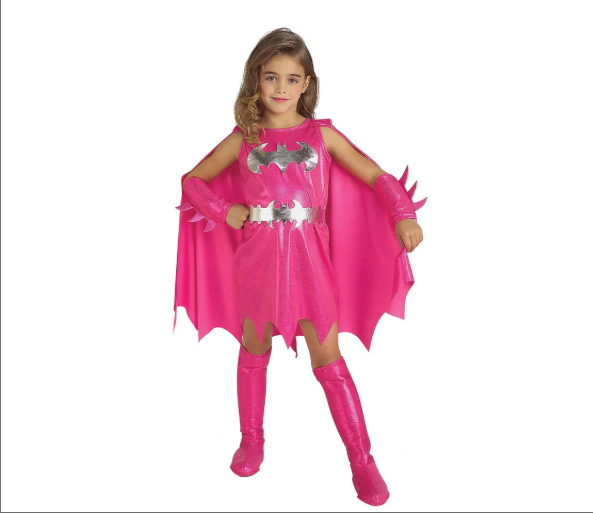
Body language shifts naturally as well. A superhero stance straightens the spine and broadens the shoulders. A glamorous vintage look may inspire slower movements and deliberate gestures. These physical changes reinforce internal confidence, creating a feedback loop between appearance and emotion. Observers respond to this projected assurance, which further strengthens social engagement.
Importantly, the transformation remains temporary and safe. Once the event concludes, individuals can return to daily routines without lasting pressure. Yet the memory of that confident version often lingers. Dressing up demonstrates that self assurance can be cultivated through environment and presentation, offering insight into how identity and attire interact in powerful, positive ways.
Social Bonding Through Themed Events
Shared experiences form the foundation of meaningful social connection, and themed gatherings provide precisely that environment. When attendees commit to a collective concept, whether based on an era, film genre, or seasonal celebration, a sense of unity develops before the event even begins. Anticipation builds through costume planning and playful discussion. By the time guests arrive, they already feel linked through a common purpose.
The visual impact of coordinated attire breaks down social barriers quickly. Strangers become conversation partners when they recognise complementary themes or clever interpretations. A simple compliment on creativity often opens the door to longer exchanges. Because everyone has stepped slightly outside everyday norms, formality tends to soften. That relaxed atmosphere encourages humour and spontaneous interaction.
Corporate environments increasingly use themed events to support team building. Removing standard office attire helps dissolve hierarchical tension, allowing colleagues to interact more casually. Managers and junior staff members engage on more equal footing when both are participating in imaginative dress. This shared vulnerability fosters empathy and strengthens working relationships beyond the event itself.
Community gatherings benefit in similar ways. Charity nights, school functions, and neighbourhood celebrations use costumes to generate enthusiasm and collective identity. Participants feel part of something larger than themselves, united by visual expression and shared enjoyment. Themed events demonstrate that clothing can function as a social bridge, connecting individuals through creativity and mutual participation rather than routine expectations.
Costume Parties in Modern British Culture
Across the United Kingdom, costume parties have evolved from occasional novelty events into a consistent feature of social calendars. Birthday celebrations, milestone anniversaries, and engagement gatherings increasingly revolve around imaginative themes rather than traditional formats. Hosts often select concepts that encourage guests to participate creatively, transforming ordinary venues into immersive environments. This shift reflects a broader desire for experiences that feel memorable and interactive rather than purely formal. Themed dressing contributes to that atmosphere by inviting every attendee to become part of the visual spectacle.
Hen and stag celebrations have particularly embraced this approach. Groups frequently coordinate playful or nostalgic outfits that create a sense of unity during public outings. The visual cohesion draws attention, but it also strengthens bonds within the group. Shared attire becomes a symbol of collective celebration, reinforcing friendship and marking the significance of the occasion. Participants often report that the preparation process itself becomes part of the enjoyment.
Charity events and community fundraisers also benefit from costume participation. Sponsored walks, themed dinners, and awareness campaigns often incorporate dress up elements to generate visibility and enthusiasm. The creativity involved encourages broader attendance and fosters a welcoming environment for diverse age groups. By blending entertainment with purpose, these gatherings demonstrate how costumes can enhance civic engagement.
The availability of quality options through online retailers has further expanded participation. Stores such as Fancy Dress Central, known for offering a wide range of costumes and accessories for both adults and children, make themed events accessible and convenient. With reliable service, competitive pricing, and complimentary delivery within the United Kingdom, platforms like these support the growing popularity of creative celebration without turning the focus into aggressive sales messaging.
Choosing a Character That Matches Personality
Selecting a costume often reveals more about an individual than first impressions suggest. While some people gravitate toward bold and dramatic representations, others prefer subtle or humorous interpretations. Personality plays a significant role in shaping these decisions. Extroverted individuals may feel comfortable embodying flamboyant figures that draw attention and spark conversation. Introverted participants, by contrast, often choose characters that allow creativity without overwhelming visibility.
Understanding personal comfort levels ensures that the experience remains enjoyable rather than stressful. A costume should enhance confidence rather than create anxiety. For someone who prefers understated interaction, a clever literary reference or lightly themed ensemble may feel authentic. Meanwhile, those who thrive in energetic environments might embrace theatrical costumes that invite engagement. The key lies in aligning the outfit with natural temperament.
Identity projection also influences character choice. People frequently select roles that reflect aspirational traits, such as bravery, elegance, or humour. This process allows safe exploration of qualities that may not dominate daily life. Wearing a character associated with strength or charisma can subtly reinforce those attributes internally. The temporary transformation becomes a form of personal experimentation.
Ultimately, costume selection is less about imitation and more about self expression. When individuals choose thoughtfully, they create harmony between personality and presentation. That alignment strengthens social confidence and deepens enjoyment of the event. Dressing up, at its best, becomes an extension of individuality rather than a departure from it.
The Role of Accessories in Completing the Look
A well chosen costume often depends as much on detail as on the main garment itself. Accessories bring depth and authenticity, turning a simple outfit into a convincing character portrayal. Wigs, hats, jewellery, and footwear all contribute to the final impression. Without these finishing touches, even a thoughtfully selected costume can appear incomplete. The difference frequently lies in subtle enhancements rather than dramatic additions.
Makeup plays an equally significant role. Carefully applied face paint, contouring, or thematic cosmetics can shift facial expression and highlight defining features. A vintage hairstyle paired with period appropriate makeup can transport a modern attendee into another decade convincingly. These small details influence how others perceive the overall presentation. They also affect how the wearer feels, reinforcing the psychological transformation discussed earlier.
Props further strengthen character immersion. A wand, briefcase, microphone, or themed handbag provides a focal point for interaction. Holding an item associated with the chosen persona encourages role play and sparks conversation. Guests often respond positively to tangible elements that extend beyond clothing alone. Props offer opportunities for humour and engagement without requiring elaborate costumes.
Retailers that specialise in costume supplies often stock an extensive range of such enhancements. By offering branded pieces from established manufacturers alongside more affordable options, they allow consumers to tailor their look according to budget and preference. The availability of accessories makes creative experimentation accessible, ensuring that even modest outfits can achieve impressive impact through thoughtful detail and coordinated styling.
Budget Friendly vs Premium Costume Options
Costume purchasing decisions frequently balance enthusiasm with practicality. Some individuals prefer budget friendly selections that serve a single event, while others invest in premium options designed for durability and repeated wear. Both approaches offer advantages depending on the occasion and personal priorities. Understanding the differences helps consumers make informed choices that align with expectations and lifestyle.
Affordable costumes provide accessibility. They allow participation without significant financial commitment, which is particularly helpful for events that occur once a year. Lightweight fabrics and simplified construction keep prices manageable. For many social gatherings, these options deliver sufficient visual appeal while remaining comfortable and convenient. This approach ensures that creativity is not limited by budget constraints.
Premium costumes, on the other hand, emphasise quality materials and refined detailing. Stronger stitching, richer fabrics, and licensed branding often distinguish these selections. They may withstand multiple uses, making them suitable for frequent partygoers or themed event organisers. Over time, durability can offset initial cost differences, particularly when items are reused or shared within families.
Online platforms with established reputations simplify the comparison process. Businesses such as Fancy Dress Central, which has built experience through years of selling costumes and accessories via its associated toy retail platform, curate collections from respected brands while maintaining competitive pricing. By combining attentive customer support with complimentary delivery across the United Kingdom, such retailers help shoppers evaluate both affordability and longevity without sacrificing convenience.
Sustainability and Reusable Costume Trends
As awareness of environmental impact grows, consumers increasingly consider how their purchasing choices affect long term sustainability. Costumes, once viewed primarily as single use garments, are now part of broader conversations about responsible consumption. Many shoppers look for pieces that can be worn more than once or adapted creatively for different events. This shift reflects a desire to balance enjoyment with environmental mindfulness. Retailers have responded by expanding options that emphasise durability and versatility.
Reusable designs often feature neutral base garments paired with interchangeable accessories. A simple black dress, for example, can become a witch, vintage film star, or gothic character depending on styling. Similarly, classic jackets, capes, and themed shirts can be refreshed through creative layering. This approach encourages imaginative thinking while reducing unnecessary waste. Families especially benefit when items can be shared between siblings or repurposed for school events.
Material quality also plays an important role. Strong stitching and washable fabrics extend garment life beyond a single evening. Consumers increasingly examine care instructions and fabric composition before purchasing. Investing in pieces that withstand repeated wear reduces the need for frequent replacement. Over time, this conscious approach lowers environmental impact while supporting thoughtful budgeting.
Community initiatives further encourage reuse. Costume swaps among friends, schools, or local groups create opportunities for variety without additional production. By viewing costumes as adaptable wardrobe elements rather than disposable novelties, participants reinforce a culture of creativity and responsibility. Dressing up remains joyful and expressive, yet it aligns more closely with contemporary values surrounding sustainability and mindful consumption.
Conclusion
Dressing up has endured across centuries because it fulfils deep human needs for expression, connection, and imagination. From ancient rituals to modern themed gatherings, costumes have consistently provided a space where individuals can explore alternative roles within supportive communities. The psychological effects are clear. Confidence grows when people step into character, and social energy increases when shared themes reduce inhibition. What begins as playful attire often results in meaningful interaction.
Modern British culture demonstrates how these traditions continue to evolve. Costume parties enrich birthdays, charity events, corporate functions, and seasonal celebrations. Accessories refine presentation, thoughtful budgeting expands accessibility, and sustainable practices encourage responsible enjoyment. Retailers that prioritise quality selection, attentive service, and transparent pricing help ensure that participation remains inclusive and convenient.
Ultimately, dressing up is not about concealment but revelation. By temporarily adopting new identities, individuals often uncover confidence, humour, and creativity that everyday routines may obscure. The collective atmosphere of a themed event reminds participants that self expression thrives in community. Costumes transform ordinary spaces into shared experiences, reinforcing bonds and leaving lasting impressions long after the outfits are carefully stored away.