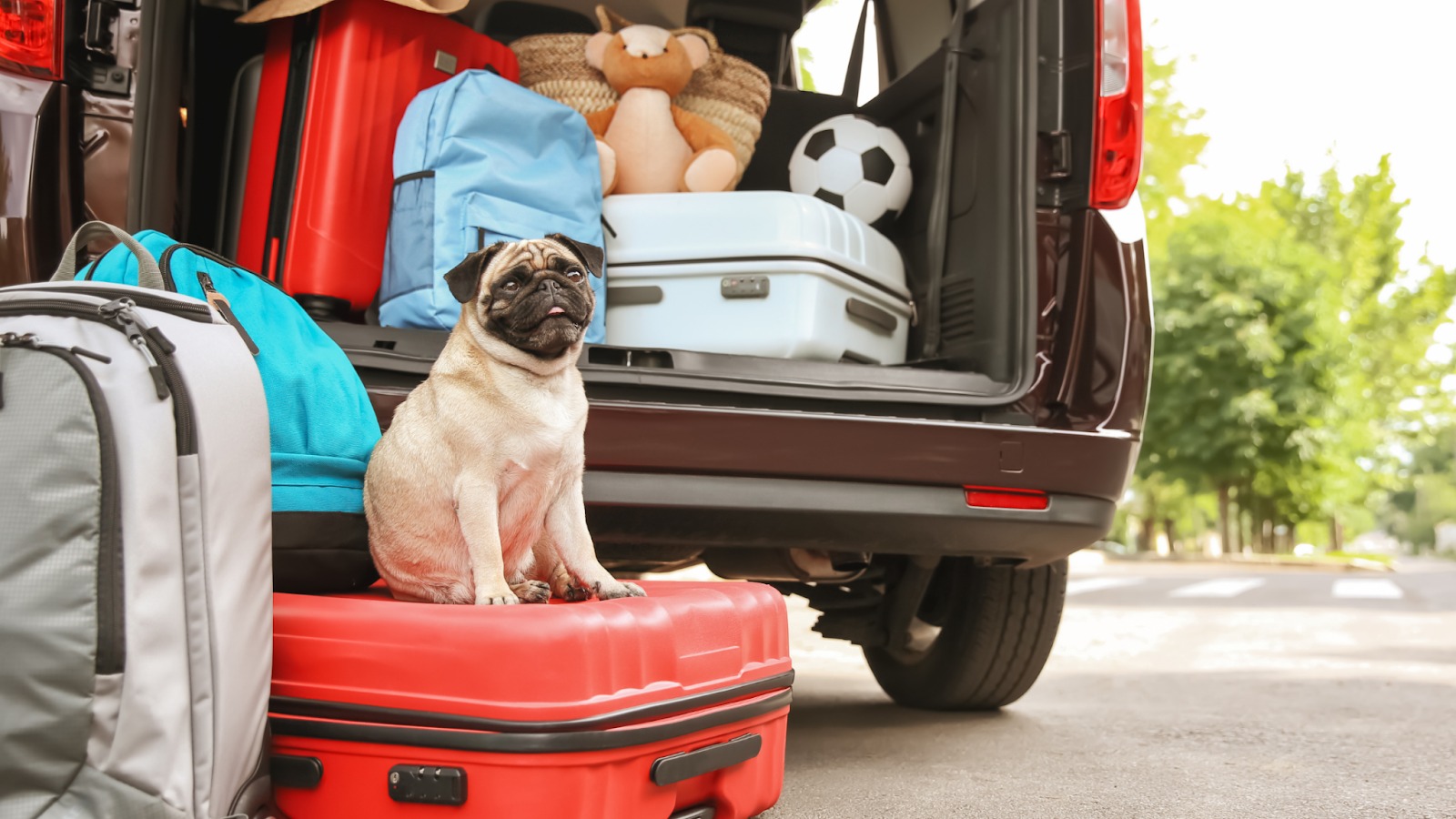
Your Journey to Full Time Travel With a Dog Starts Here
Look, the world’s wide open again. And people aren’t just daydreaming about escaping the 9-to-5 anymore, they’re actually doing it, dogs in tow. Here’s something wild: Travel & Tourism pumped about US$10.9 trillion into the global economy in 2024, keeping hundreds of millions of people employed.
That rebound? It’s changed everything. Cities are rolling out the red carpet for tourists now, and yes, that includes your four-legged buddy. Prague, Bali, Buenos Aires—wherever you’ve been pinning on Google Maps, full time travel with a dog isn’t some pipe dream in 2026. It’s genuinely doable for remote workers and wanderers everywhere.
Essential Pre-Travel Preparations
Before you hit “book” on that one-way flight, let’s talk groundwork. I know, I know—planning sounds boring compared to daydreaming about sunsets in Santorini. But trust me, a little prep now saves you from complete meltdowns later.
Assessing Your Dog’s Readiness
Real talk: not every dog’s built for this life. Age is huge here. Puppies younger than six months? They’ll struggle on marathon flights. Senior pups need regular vet visits, which gets complicated when you’re bouncing between countries. And if you’ve got a pug, bulldog, or any smoosh-faced breed, brace yourself for airline headaches, respiratory issues mean restrictions.
Test the waters first. Take weekend trips. See how your dog handles car rides, strange beds, crowded streets. Does he turn into a nervous wreck around new people? A behaviorist might help, but give yourself three to six months of practice runs before diving into traveling with a dog full time.
Financial Planning and Communication Tools
Money. The unsexy part nobody wants to discuss. You’ll want $5,000-10,000 sitting in an emergency fund just for your pet. Foreign vet bills hit differently, that “minor” infection in rural Thailand might run you $200, while emergency surgery in Switzerland? Think thousands.
Here’s another thing most people overlook: staying connected when you’re constantly on the move. Managing Airbnb hosts, scheduling vet appointments, juggling Zoom calls from different time zones, it all falls apart without solid connectivity.
An international sim card becomes your lifeline as a digital nomad with dogs. Maya’s eSIM, for instance, lets you activate data in 190+ countries instantly. No hunting for SIM cards at airports, no language barriers at phone shops. You’re reachable whether you’re texting landlords in Lisbon or finding emergency vets in Lima.
Legal Documentation Requirements
Okay, here’s where how to travel with a dog 2026 gets properly complicated. Every single country wants different paperwork. Microchips that meet ISO 11784/11785 standards, rabies vaccinations, titer tests, import permits—the list goes on. And this stuff matters beyond bureaucracy. Dog-mediated rabies kills roughly 59,000 people globally every year, mostly in areas where vaccination programs barely exist (https://catsanddogsinternational.org/survey-update-2024/).
Partner with USDA-accredited vets for health certificates. You’ll need those within 10 days of departure. Brexit scrambled UK/EU rules completely, so what worked in 2023 might not fly now. Some countries now use blockchain for health verification—sounds unnecessarily techy, but honestly, it speeds up customs like crazy.
Health Considerations for Long-Term Dog Travel
Your dog’s health? Non-negotiable. One skipped vaccination or parasite you didn’t catch can torpedo months of planning and drain your savings fast.
Building Your Veterinary Network
Before your feet hit the ground anywhere new, scope out local vets. Expat Facebook groups are absolute goldmines here—ask around, get names. Apps like Vetter and PawSquad link you to English-speaking vets worldwide, though coverage gets spotty outside major cities.
International vet chains operate in bigger cities. VCA and IVC have multiple country locations, so you’ll get consistent quality. Pro tip: keep all your dog’s records translated into whatever language you’ll need. Miming your dog’s allergy history during a medical emergency? Not fun.
Preventive Health Protocols
Prevention trumps treatment. Always. Especially when you’re dealing with parasites that don’t exist back home. Heartworm lurks in tropical zones—skip monthly preventatives and you’re gambling with your dog’s life. Tick diseases vary wildly by location. Lyme disease dominates Europe and North America; ehrlichiosis loves warmer spots.
Water quality’s another thing. Don’t let your dog lap up stream water or puddles in places with sketchy sanitation. Portable water filters and collapsible bowls are your friends. Download air quality apps too—pollution spikes in certain cities can trigger breathing problems you definitely don’t need.
Finding Pet-Friendly Accommodations
Housing’s probably your biggest headache with long term travel with pets. Those “pet-friendly” filters? They lie. Constantly.
Booking Strategies That Actually Work
Airbnb and Vrbo run the game, but their filters aren’t trustworthy. Message hosts directly every single time. Send photos, mention your dog’s size and breed, and be upfront. Saves you from arriving at a host who thought “small dog” meant Chihuahua when you’ve got a Lab. Booking.com upgraded its pet search in 2025, but smaller towns still have slim pickings.
House-sitting platforms like TrustedHousesitters flip everything—you get free housing by watching someone’s pets. Perfect if you’re budget-conscious, though snagging good locations means serious competition. Digital nomad co-living spaces in places like Bali, Medellin, and Lisbon increasingly welcome pets and come with instant community.
Evaluating Safety Before Booking
That adorable balcony flat? Death trap if your dog’s a jumper. Check for toxic plants—sago palms, lilies, azaleas kill dogs. Look for unsecured pools and potential escape routes. Ground-floor apartments mean no stairs, but street noise could spike your anxious dog’s stress levels.
Walkability’s non-negotiable. If the closest green space needs a 20-minute drive, you’ll regret it daily. Use Google Street View to virtually scout neighborhoods beforehand. And emergency vets? Follow the 30-minute rule: can you reach one in under half an hour?
Transportation Solutions for Constant Movement
Moving around as a digital nomad with a dog requires strategy. Airlines, trains, rental cars—they all have weird rules.
Air Travel Mastery
2026 airline policies are all over the place. Lufthansa and KLM usually treat pets well; budget carriers often ban them completely. Dogs under 20 pounds can fly cabins—anything bigger goes cargo, which works but carries more risk. Private charters cost a fortune but eliminate stress for anxious pups.
Direct flights always. Layovers dramatically increase the chances of lost pets. Research airport pet relief areas ahead of time—some airports have elaborate facilities; others offer literally nothing. Those emotional support animal loopholes everyone used? Mostly closed after 2023.
Ground Transportation Across Borders
Europe’s train systems are fantastic for pet travel. Deutsche Bahn, SNCF, Trenitalia all welcome dogs, usually for small fees. Makes overland routes totally feasible. Long-distance buses like FlixBus permit small dogs in carriers, though rules shift by country.
Rental car companies vary—Enterprise and Sixt typically allow pets with deposits, but read those contracts carefully. RV and campervan life suits loads of full-time dog travelers. Ultimate flexibility without constantly hunting for accommodations. Land border crossings need the same documentation as air travel, but checks usually run more casually.
Comparison: Top Dog-Friendly Regions for 2026
| Region | Entry Difficulty | Average Monthly Cost | Vet Care Quality | Best For |
| Western Europe | Moderate | $2,500-4,000 | Excellent | Urban explorers |
| Southeast Asia | Easy | $1,200-2,000 | Variable | Budget travelers |
| Latin America | Easy-Moderate | $1,500-2,500 | Good in cities | Slow travel |
| Eastern Europe | Easy | $1,800-2,800 | Improving | Digital nomads |
Here’s something interesting: over 75% of global travelers now prefer companies showing real social or environmental responsibility, per the NIQ Sustainability Report 2024 (https://catsanddogsinternational.org/survey-update-2024/). This shift means destinations with solid animal welfare programs pull in more visitors—and money—making them safer bets for long stays with your dog.
Common Questions About Traveling Full-Time With Your Dog
Can you realistically work remotely while managing a dog’s needs?
Completely, but routines save you. Morning walks before logging on, midday bathroom breaks, evening exercise—keeps both of you functional. Hire local dog walkers when deadlines explode or find co-working spaces that welcome pets.
What’s the minimum budget for full-time dog travel?
Budget minimum $2,000-3,000 monthly. That’s covering accommodation, food, insurance, random expenses. Southeast Asia runs cheaper; Europe costs significantly more. Always pad 20% extra for unexpected vet visits or housing gaps. They happen.
How do you handle vet emergencies in non-English speaking countries?
Google Translate’s camera feature saves lives—literally. Point it at signs, labels, instructions. Pre-translate your dog’s medical history into local languages. Expat communities almost always have English-speaking vet contacts. Telemedicine apps provide remote consultations when you’re truly stuck.
Final Thoughts on Living the Nomadic Dog Life
Traveling with a dog full time in 2026 isn’t everyone’s cup of tea, but it’s ridiculously more accessible than ever. Technology’s better, pet policies have improved, and communities of nomadic pet parents keep growing. The secret’s simple: preparation. Lock down your finances, health protocols, and paperwork, and you’ll sidestep most disasters.
Start small. Try three-month test runs instead of immediately burning all your bridges. Your dog’s happiness matters infinitely more than racking up Instagram-worthy destinations. Choose slow travel over constantly moving, prioritize their needs above everything, and you’ll both genuinely thrive. The world’s sitting there waiting. It’s bigger than you imagine.